

What Are Lithium Manganese Oxide Material Handling Equipment? And What Are Their Design Principles?
HeadPowder, a leading provider in the field of material handling solutions, specializes in equipment tailored for the processing and transportation of lithium manganese oxide materials. This article delves into the specifics of lithium manganese oxide material handling equipment, exploring their design principles and operational applications.
Introduction to Lithium Manganese Oxide Material Handling Equipment
Lithium manganese oxide (LiMn2O4) is a critical component in lithium-ion batteries, widely used in electric vehicles, portable electronics, and renewable energy storage systems. The efficient handling and processing of this material are essential for maintaining product quality and ensuring smooth production workflows. Material handling equipment designed for LiMn2O4 must address unique challenges such as particle size control, moisture sensitivity, and the need for contamination-free environments. HeadPowder's expertise lies in developing customized solutions that meet these stringent requirements.
Key Components and Design Considerations
The design of lithium manganese oxide material handling equipment involves several key components and considerations to ensure optimal performance. First, the equipment must be constructed from materials that are chemically inert and resistant to corrosion, as LiMn2O4 can be reactive under certain conditions. Stainless steel or specialized alloys are commonly used for the construction of hoppers, conveyors, and storage bins to prevent contamination and ensure durability. Additionally, the equipment must incorporate features that minimize particle degradation, such as gentle feeding mechanisms and low-speed conveyor systems. This is crucial because LiMn2O4 particles are sensitive to mechanical stress, which can affect their electrochemical properties and battery performance.
Another critical design aspect is the control of moisture and temperature. LiMn2O4 is hygroscopic, meaning it absorbs moisture from the air, which can lead to performance degradation in batteries. Therefore, material handling equipment often includes integrated drying systems or enclosed environments to maintain low humidity levels. Temperature control is also essential, as fluctuations can impact the material's stability. HeadPowder's designs typically incorporate temperature-regulated chambers and humidity sensors to monitor and maintain optimal conditions throughout the handling process.
Types of Material Handling Equipment for LiMn2O4
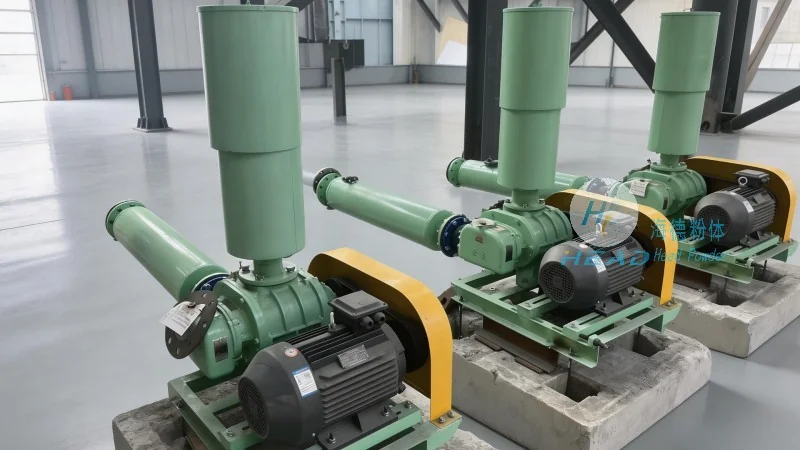
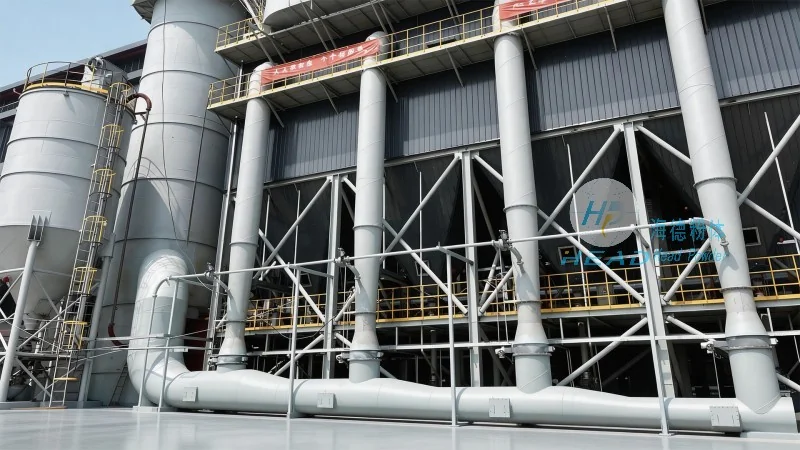
HeadPowder offers a range of material handling equipment tailored to the specific needs of lithium manganese oxide processing. These include bulk material handling systems such as belt conveyors, screw conveyors, and pneumatic conveying systems. Belt conveyors are commonly used for transporting LiMn2O4 from storage to processing areas due to their ability to handle large volumes with minimal particle breakage. Screw conveyors are ideal for vertical or inclined material transport, providing a compact solution for space-constrained facilities. Pneumatic conveying systems, on the other hand, are suitable for fine powders and can transport LiMn2O4 over longer distances while maintaining a dust-free environment.
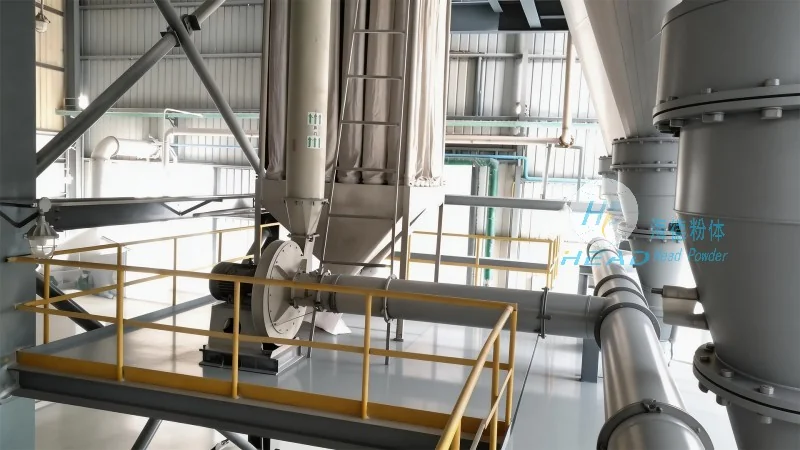
For material storage and batching, HeadPowder provides stainless steel storage silos and hoppers equipped with level sensors and discharge mechanisms. These systems ensure accurate material measurement and prevent overfilling or underfilling, which is vital for consistent battery production. Additionally, the equipment includes dust collection and filtration systems to maintain a clean working environment, as LiMn2O4 powders can be hazardous if inhaled. These systems are designed to comply with occupational safety standards and protect both personnel and equipment.
Design Principles for Efficient and Safe Operation
The design principles behind lithium manganese oxide material handling equipment prioritize efficiency, safety, and product integrity. Efficiency is achieved through optimized material flow paths, reduced downtime, and energy-efficient operation. For example, HeadPowder's conveyor systems are equipped with variable speed drives that adjust to the material's flow rate, minimizing energy consumption while maintaining consistent throughput. Safety is a top priority, with features such as enclosed structures to prevent dust exposure, emergency stop buttons, and automated shut-off mechanisms in case of overloading or blockages. These safety measures comply with international safety regulations and ensure a secure working environment for operators.
Product integrity is maintained through gentle handling and contamination control. The equipment is designed to minimize mechanical stress on LiMn2O4 particles, which helps preserve their electrochemical properties. This is particularly important for high-performance batteries where even minor changes in particle size or structure can affect battery life and capacity. HeadPowder's equipment also includes cleaning and maintenance features, such as easy-to-access components and automated cleaning cycles, to ensure consistent performance over time.
Conclusion
Lithium manganese oxide material handling equipment from HeadPowder Engineering Co., Ltd. represents a sophisticated solution for the modern battery manufacturing industry. By integrating advanced design principles, robust construction, and safety features, these systems ensure efficient, safe, and reliable handling of LiMn2O4 materials. HeadPowder's commitment to quality and customization makes them a trusted partner for companies seeking to optimize their battery production processes. With headquarters in Shandong, China, HeadPowder continues to lead the way in providing innovative material handling solutions that meet the evolving demands of the lithium-ion battery industry.