

What Are Magnesia Powder Material Handling Equipment? And What Are Their Design Principles?
When it comes to handling magnesia powder, specialized equipment is essential for ensuring efficiency, safety, and product integrity. Magnesia powder, a key material in construction and industrial applications, requires equipment that can manage its unique properties, such as fine particle size and potential dust generation. This article explores the types of magnesia powder material handling equipment and the design principles that underpin their functionality, with a focus on the expertise of Shandong HeadPowder Engineering Co., Ltd., a leading provider in the field.
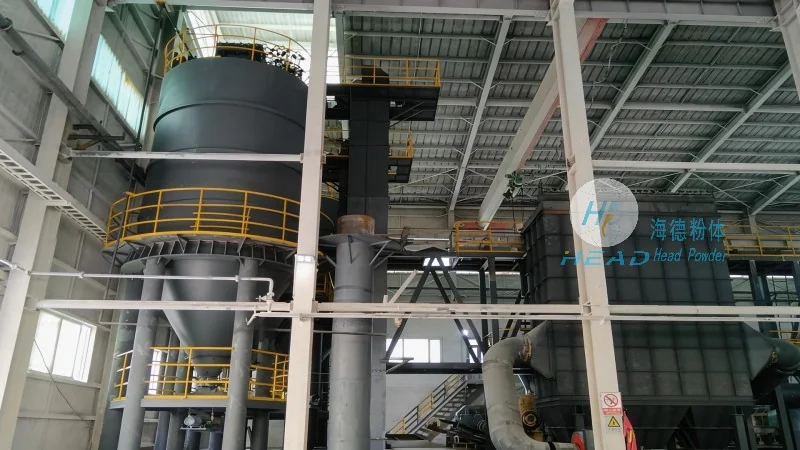
About Shandong HeadPowder Engineering Co., Ltd.
Shandong HeadPowder Engineering Co., Ltd. is a reputable company based in China, specializing in the design, manufacturing, and supply of material handling solutions tailored for industries that work with fine powders like magnesia. With a strong commitment to quality and innovation, the company has established itself as a trusted partner for businesses seeking reliable equipment for their material processing needs. HeadPowder's team of experts combines technical knowledge with practical experience to deliver solutions that meet the specific demands of each client.
Types of Magnesia Powder Material Handling Equipment
There are several types of equipment designed to handle magnesia powder, each suited to different operational requirements. The primary equipment includes screw conveyors, pneumatic conveying systems, and bucket elevators. Screw conveyors are widely used for horizontal or slight incline transport, as they can handle fine powders without the need for additional air. Pneumatic conveying systems, on the other hand, use air pressure to move the powder through pipes, making them ideal for long-distance or vertical transport. Bucket elevators are effective for vertical lifting, providing a continuous and efficient method of moving powder from lower to higher levels. Each type of equipment is chosen based on factors such as the volume of material, the distance to be covered, and the need for dust control.
Design Principles for Magnesia Powder Material Handling Equipment
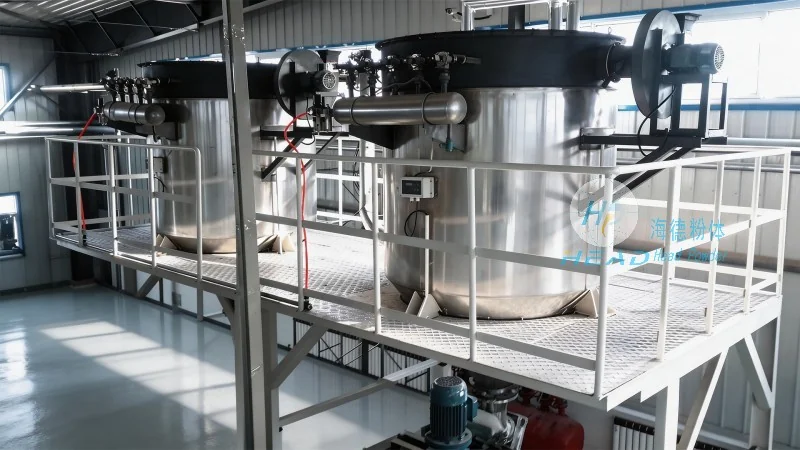
The design of magnesia powder material handling equipment follows several key principles to ensure optimal performance and safety. First, the equipment must be constructed from materials that are resistant to corrosion and wear, as magnesia powder can be abrasive and may contain acidic components that could damage standard materials. Stainless steel and special alloys are commonly used to prevent degradation and maintain product purity. Second, the design must incorporate effective dust control measures. Magnesia powder is prone to creating dust, which can be a health hazard and cause environmental issues. Equipment such as sealed hoppers, enclosed conveyor systems, and dust collection systems are integrated to minimize dust emissions. Third, the equipment must be designed for easy maintenance and cleaning. Magnesia powder can accumulate in crevices and machinery parts, leading to blockages and reduced efficiency. Features like removable components, self-cleaning mechanisms, and easy access to internal parts are incorporated to simplify maintenance procedures. Finally, the design must prioritize safety, including proper sealing to prevent material leakage and compliance with industry safety standards.
Applications of Magnesia Powder Material Handling Equipment
Magnesia powder material handling equipment is used in a variety of industries, including construction, chemical manufacturing, and pharmaceuticals. In the construction industry, the equipment is used to transport magnesia powder for use in fire-resistant materials, concrete additives, and decorative coatings. In chemical manufacturing, it is used to handle magnesia powder in the production of refractory materials and other chemical products. The equipment ensures that the powder is moved efficiently and safely, reducing the risk of accidents and improving production throughput. HeadPowder's equipment is designed to meet the specific needs of each industry, providing reliable and efficient solutions for material handling.
Maintenance and Operational Considerations
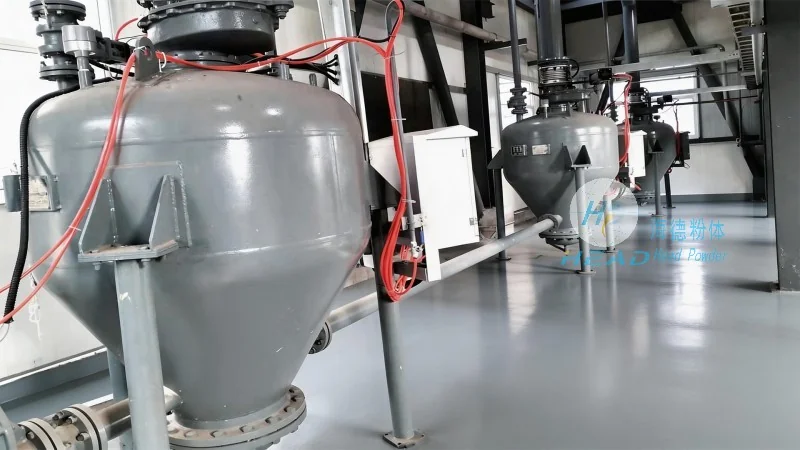
Proper maintenance is crucial for the longevity and performance of magnesia powder material handling equipment. Regular inspections should be conducted to check for wear and tear on components such as screws, belts, and seals. Lubrication of moving parts is essential to reduce friction and prevent overheating. Cleaning the equipment after each use is important to remove any accumulated powder, which can affect the equipment's efficiency and safety. HeadPowder provides comprehensive maintenance services and spare parts to ensure that their equipment operates at peak performance. By following these maintenance guidelines, businesses can extend the lifespan of their equipment and minimize downtime.
Conclusion
Magnesia powder material handling equipment is a critical component in industries that rely on this material. The design principles and equipment types discussed in this article highlight the importance of specialized solutions for handling fine powders. Shandong HeadPowder Engineering Co., Ltd. offers a range of high-quality equipment designed to meet the specific needs of their clients, ensuring efficient and safe material handling. By understanding the design principles and operational considerations, businesses can make informed decisions when selecting the right equipment for their magnesia powder handling needs.