

Principle of Clay Ash Pneumatic Conveying Equipment
Clay ash, a byproduct commonly generated in industrial processes such as power generation and cement production, requires efficient and reliable handling solutions. The pneumatic conveying equipment designed for clay ash offers a modern approach to material transport, integrating advanced engineering principles to ensure optimal performance and safety. This article explores the fundamental principles behind clay ash pneumatic conveying systems, highlighting key components, operational mechanisms, and the benefits of adopting such technology.
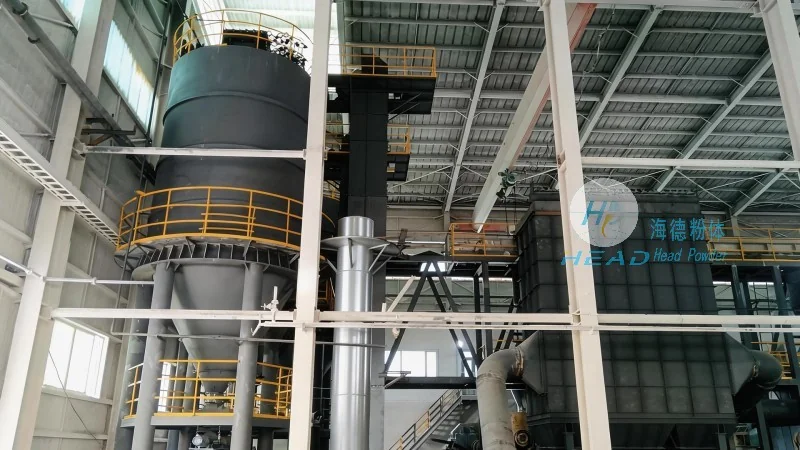
Company Overview: Shandong HeadPowder Engineering Co., Ltd.
HeadPowder, a leading manufacturer in the field of material handling solutions, specializes in the design, development, and installation of pneumatic conveying systems. With a strong commitment to innovation and customer satisfaction, the company has established itself as a trusted partner for industries dealing with bulk materials. HeadPowder's expertise lies in tailoring equipment to meet specific operational requirements, ensuring durability, energy efficiency, and compliance with industry standards. The company's operational base is located in Shandong, China, where it leverages local resources and technical expertise to deliver high-quality products and services.
Key Components of Clay Ash Pneumatic Conveying Systems
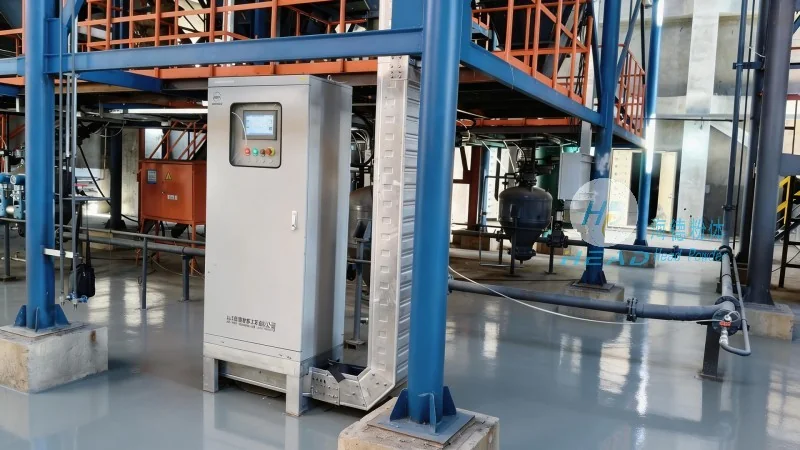
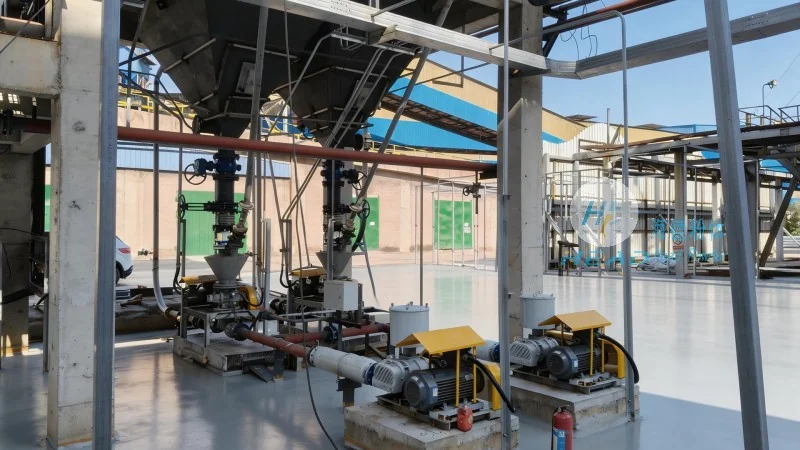
The clay ash pneumatic conveying system consists of several critical components that work in tandem to facilitate material transport. The primary components include the material hopper, which serves as the storage and feeding unit, ensuring a consistent supply of clay ash. The air compressor or blower is another essential part, responsible for generating the necessary air pressure to move the material through the conveying line. The conveying line itself, typically made of durable materials like stainless steel or high-density polyethylene, is designed to withstand the abrasive nature of clay ash. Additionally, the system incorporates control valves and filters to regulate airflow and prevent dust accumulation, maintaining system efficiency and longevity.
Operational Principles and Mechanisms
The core principle of pneumatic conveying for clay ash involves the use of compressed air to create a flow that transports the material from the source to the destination. In a typical system, clay ash is fed into the hopper, where it is then drawn into the conveying line by the air flow. The air pressure and velocity are carefully controlled to ensure that the material is carried without causing blockages or excessive wear on the system components. The system may employ different conveying modes, such as dilute phase or dense phase, depending on the specific characteristics of the clay ash and the distance it needs to be transported. Dilute phase conveying uses lower air velocities and higher material concentrations, while dense phase conveying employs higher air pressures and lower material concentrations to achieve more efficient transport over longer distances.
Advantages of Using Pneumatic Conveying for Clay Ash
Adopting pneumatic conveying technology for clay ash offers numerous advantages over traditional methods like belt conveyors or bucket elevators. One of the most significant benefits is the reduction in material handling costs, as the system eliminates the need for multiple transfer points and reduces labor requirements. Additionally, pneumatic conveying systems provide a more hygienic and dust-free environment, which is crucial for industries where contamination control is essential. The equipment also offers greater flexibility in terms of layout and installation, allowing for integration into existing production lines without major modifications. Furthermore, the energy efficiency of modern pneumatic conveying systems contributes to lower operational costs and reduced environmental impact.
Applications and Industry Use Cases
Clay ash pneumatic conveying equipment is widely used in various industrial sectors, including power plants, cement factories, and waste management facilities. In power plants, the system is employed to transport ash from the boiler to storage silos or disposal sites, ensuring smooth operation and compliance with environmental regulations. In cement production, the equipment helps in conveying raw materials and byproducts, optimizing the production process and reducing downtime. Waste management facilities also benefit from such systems by efficiently handling ash from incineration processes, contributing to sustainable waste management practices. The versatility of the technology makes it suitable for a wide range of applications, from small-scale operations to large industrial plants.
Maintenance and Operational Considerations
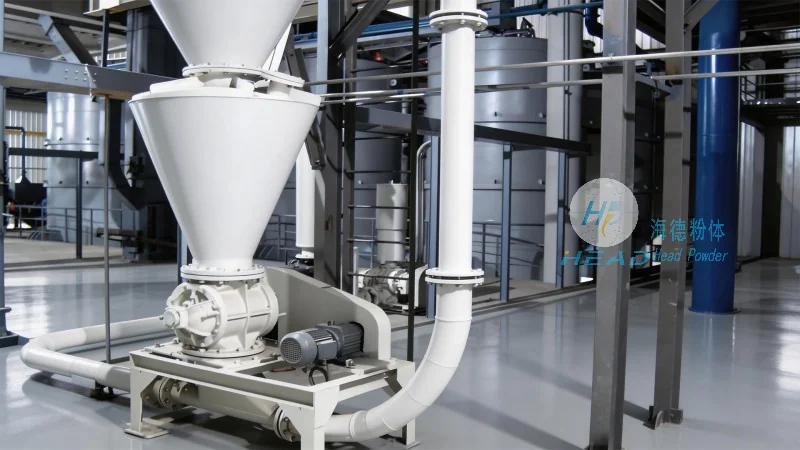
Proper maintenance is crucial to ensure the longevity and efficiency of clay ash pneumatic conveying systems. Regular inspection of components such as the air compressor, conveying line, and control valves is necessary to identify and address potential issues before they escalate. The system should be cleaned regularly to prevent dust buildup, which can affect airflow and reduce performance. Additionally, monitoring air pressure and material flow rates helps in optimizing the system's operation and detecting any abnormalities. HeadPowder provides comprehensive maintenance services and technical support to its clients, ensuring that the equipment operates at peak performance throughout its service life. By adhering to recommended maintenance schedules and using high-quality replacement parts, users can maximize the lifespan of their pneumatic conveying systems and minimize downtime.
Conclusion and Future Outlook
Clay ash pneumatic conveying equipment represents a sophisticated solution for the efficient handling of bulk materials in industrial settings. By leveraging the principles of pneumatic transport, these systems offer significant advantages in terms of cost-effectiveness, operational flexibility, and environmental sustainability. As industries continue to seek more efficient and sustainable material handling solutions, the demand for advanced pneumatic conveying technology is expected to grow. HeadPowder, with its expertise and commitment to innovation, remains at the forefront of providing tailored solutions that meet the evolving needs of its clients. The adoption of such technology not only enhances operational efficiency but also contributes to a more sustainable industrial landscape.