

Principle of Wheat Bran Pneumatic Conveying Equipment
Wheat bran pneumatic conveying equipment is a specialized system designed to efficiently transport bran, a byproduct of wheat milling, from one location to another. This equipment operates on the principle of pneumatic conveying, which utilizes air to move bulk materials through a pipeline. The system is crucial in industrial settings where the handling of fine or dusty materials like bran requires reliable and efficient methods to ensure minimal loss and contamination.
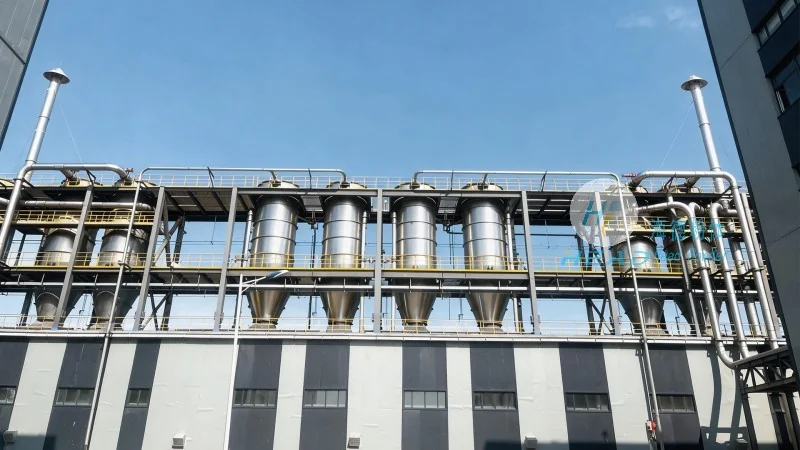
About Shandong HeadPowder Engineering Co., Ltd.
HeadPowder, the manufacturer of this equipment, is a leading company based in Shandong, China. With years of experience in engineering and manufacturing, HeadPowder specializes in providing high-quality pneumatic conveying solutions tailored to the needs of the food processing and agricultural industries. The company's commitment to innovation and quality ensures that their equipment meets the stringent standards required for handling sensitive materials such as wheat bran.
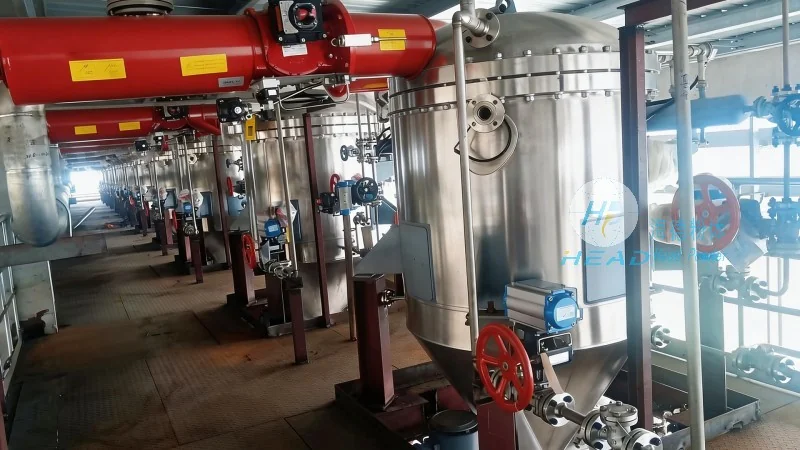
Principle of Pneumatic Conveying for Wheat Bran
The core principle of pneumatic conveying involves the use of a blower or fan to generate airflow within a pipeline. The bran material is then introduced into the system, either by gravity or through a hopper, and is carried along by the air stream. There are two main types of pneumatic conveying systems: dilute-phase and dense-phase. Dilute-phase systems use high-velocity air to transport materials in a suspended state, while dense-phase systems use lower velocities and higher air-to-material ratios to move material in a more compact form. For wheat bran, a dilute-phase system is often preferred due to the material's fine particle size and the need for minimal pressure drop and energy consumption.
Key Components of the Pneumatic Conveying System
The wheat bran pneumatic conveying equipment typically consists of several key components that work in tandem to ensure efficient operation. These include a material hopper or feeder, a blower or air compressor, a pipeline system, and a receiver or discharge unit. The hopper is designed to store and feed the bran into the system at a controlled rate, preventing overloading and ensuring consistent flow. The blower provides the necessary air pressure and volume to move the material through the pipeline. The pipeline is usually made of stainless steel or other corrosion-resistant materials to handle the bran's moisture content and prevent contamination. The receiver is where the bran is deposited, often equipped with a dust collection system to maintain air quality and comply with environmental regulations.
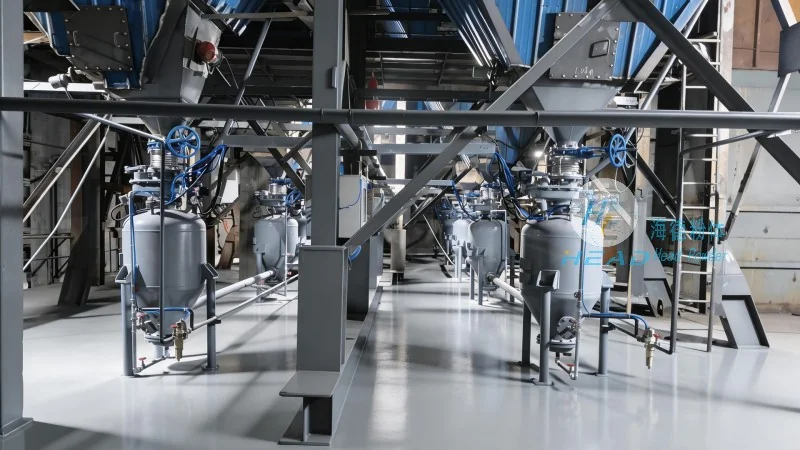
Benefits of Using HeadPowder's Pneumatic Conveying Equipment
Implementing a pneumatic conveying system for wheat bran offers several advantages. Firstly, it significantly reduces material handling losses compared to traditional methods like belt conveyors or manual transport. The enclosed system minimizes dust and spillage, which is critical for maintaining product quality and meeting hygiene standards. Secondly, the system is energy-efficient, as it uses less power than mechanical conveyors while achieving high transport capacities. Thirdly, the equipment is easy to install and maintain, with modular components that can be replaced or upgraded as needed. HeadPowder's expertise in customizing systems ensures that clients receive solutions that are optimized for their specific production volumes and bran characteristics.