

Principle of High-Alumina Fly Ash Pneumatic Conveying Equipment
High-alumina fly ash is a byproduct of the cement and power generation industries, characterized by its high chemical activity and abrasive properties. The pneumatic conveying equipment designed for handling this material must address specific challenges such as material abrasion, dust control, and efficient transport over long distances. This article explores the fundamental principles behind high-alumina fly ash pneumatic conveying systems, detailing the key components, operational mechanisms, and engineering considerations that ensure reliable and efficient material transport.
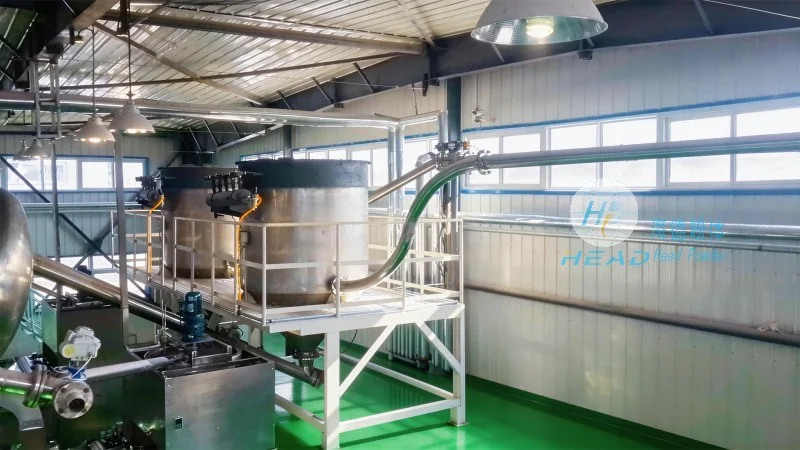
Key Components of High-Alumina Fly Ash Pneumatic Conveying Systems
The core components of a high-alumina fly ash pneumatic conveying system include the material hopper, feeder, air compressor, conveying pipeline, and dust collection system. Each component plays a critical role in the overall performance and efficiency of the system. The material hopper is designed to store and feed the high-alumina fly ash into the system at a controlled rate. The feeder, typically a rotary valve or screw feeder, ensures a consistent flow of material into the conveying line, preventing blockages and maintaining system stability. The air compressor generates the necessary pressure and airflow to move the material through the pipeline. The conveying pipeline is constructed from durable materials, such as stainless steel or special alloys, to withstand the abrasive nature of the high-alumina fly ash. Finally, the dust collection system, including filters and cyclones, captures and removes fine particles to maintain air quality and protect equipment from wear.
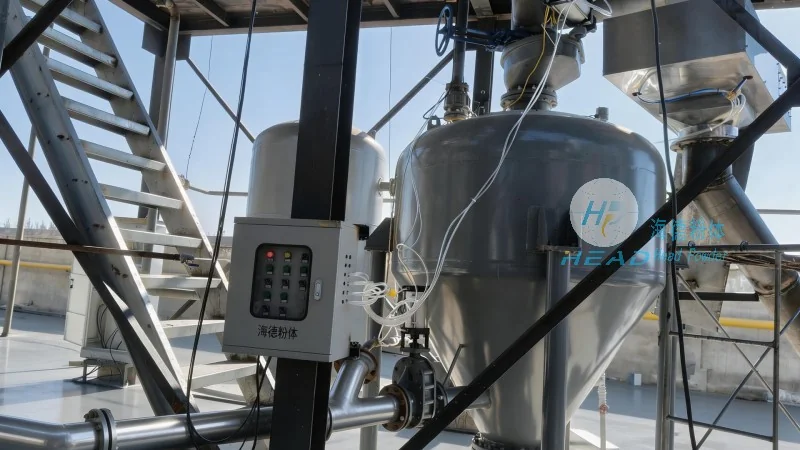
Operational Mechanisms and Flow Principles
High-alumina fly ash pneumatic conveying operates on the principle of creating a high-velocity air stream that entrains the material particles and transports them through the pipeline. There are two primary modes of operation: dilute-phase and dense-phase conveying. Dilute-phase conveying uses low air velocities and high air-to-material ratios, resulting in a more turbulent flow that is suitable for short to medium distances. Dense-phase conveying, on the other hand, uses higher air velocities and lower air-to-material ratios, creating a more stable flow that is ideal for long-distance transport and handling of abrasive materials. The system's performance is influenced by factors such as the material's density, particle size distribution, and moisture content. Proper system design and maintenance are essential to ensure optimal performance and minimize wear on components.
Engineering Considerations for High-Alumina Fly Ash Handling
Handling high-alumina fly ash requires careful consideration of several engineering factors to ensure the longevity and efficiency of the pneumatic conveying equipment. Material abrasiveness is a major concern, as the high-alumina content can cause significant wear on pipelines, valves, and other components. Therefore, the selection of materials for the conveying system, such as corrosion-resistant stainless steel or special wear-resistant alloys, is critical. Additionally, the system must be designed to handle variations in material flow rates and moisture content, which can affect the conveying efficiency and cause blockages. Proper sealing and maintenance of the system components are also essential to prevent material leakage and maintain air quality. The use of advanced control systems, such as variable frequency drives and pressure sensors, helps optimize the system's performance and reduce energy consumption.
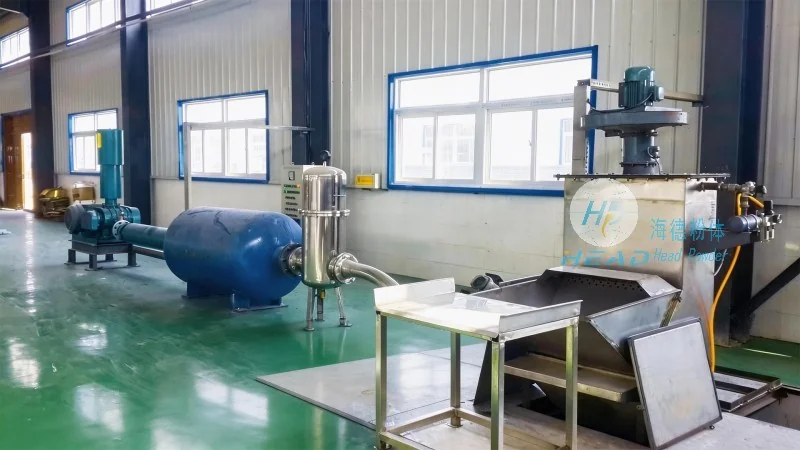
Applications and Benefits of High-Alumina Fly Ash Pneumatic Conveying
High-alumina fly ash pneumatic conveying systems are widely used in the cement, power generation, and construction industries for the transport of high-alumina fly ash from storage facilities to processing plants or disposal sites. The benefits of using pneumatic conveying for this application include reduced labor costs, improved safety by eliminating manual handling of abrasive materials, and increased efficiency by minimizing material loss and downtime. The system's ability to handle high volumes of material over long distances makes it an ideal solution for large-scale industrial operations. Additionally, the system's flexibility allows for easy integration with existing processing lines and can be adapted to handle different material types and flow rates.