

Principle of Pneumatic Conveying Equipment for Asbestos Powder
Understanding the working principle of pneumatic conveying equipment for asbestos powder is crucial for optimizing material handling processes in industrial applications. This equipment is designed to transport asbestos powder efficiently and safely, leveraging the principles of air flow and particle movement to achieve seamless material transfer.
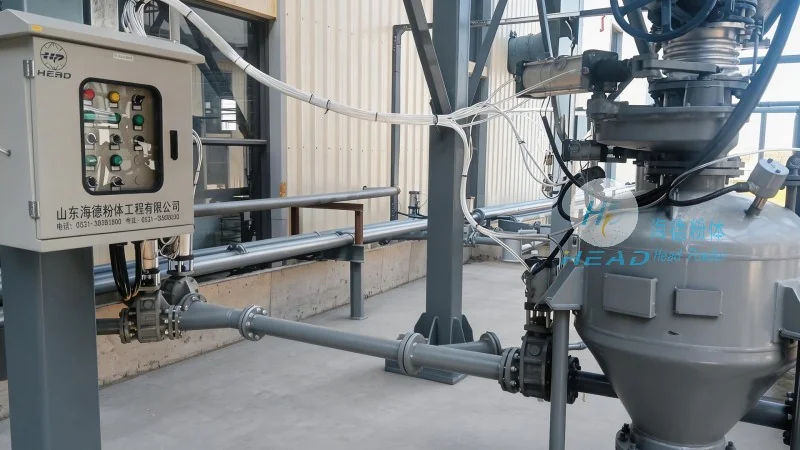
Overview of Pneumatic Conveying Technology
Pneumatic conveying, also known as air conveying, is a method used to transport bulk materials like asbestos powder through a pipeline using a stream of air. The technology offers several advantages over traditional mechanical conveying systems, including reduced equipment wear, lower maintenance costs, and the ability to handle materials that are difficult to move by conventional means. For asbestos powder, which is often fine and potentially hazardous, pneumatic conveying provides a controlled environment that minimizes dust dispersion and ensures compliance with safety regulations.
Key Components and Their Functions
The pneumatic conveying system for asbestos powder typically consists of several key components, each playing a vital role in the overall operation. These components include the material feed hopper, the air supply system (such as a blower or compressor), the conveying pipeline, and the discharge device. The feed hopper is responsible for storing and feeding the asbestos powder into the system, ensuring a consistent flow rate. The air supply system generates the necessary pressure and flow rate to move the powder through the pipeline. The conveying pipeline, often made of corrosion-resistant materials like stainless steel or plastic, transports the powder and air mixture. Finally, the discharge device, such as a rotary valve or a venturi system, controls the release of the material at the destination point.
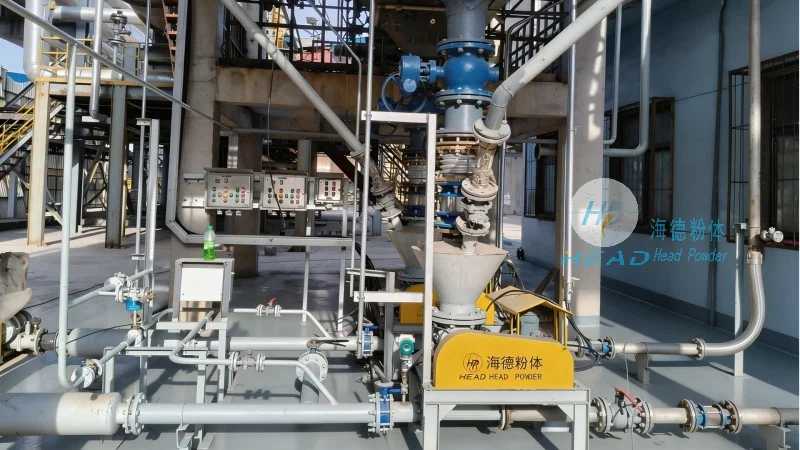
Working Principle of the Conveying Process
The operation of the pneumatic conveying equipment for asbestos powder involves a series of steps that work in tandem to achieve effective material transport. The process begins with the material being fed from the hopper into the pipeline. Simultaneously, the air supply system introduces a high-velocity air stream into the pipeline. As the air flows through the pipeline, it entrains the asbestos powder particles, creating a slurry-like mixture. This mixture is then propelled forward by the air flow, traveling through the pipeline to the discharge point. The velocity of the air and the size of the particles determine the conveying velocity and the overall efficiency of the system. Proper design of the pipeline diameter, air velocity, and material feed rate is essential to prevent blockages and ensure smooth operation.
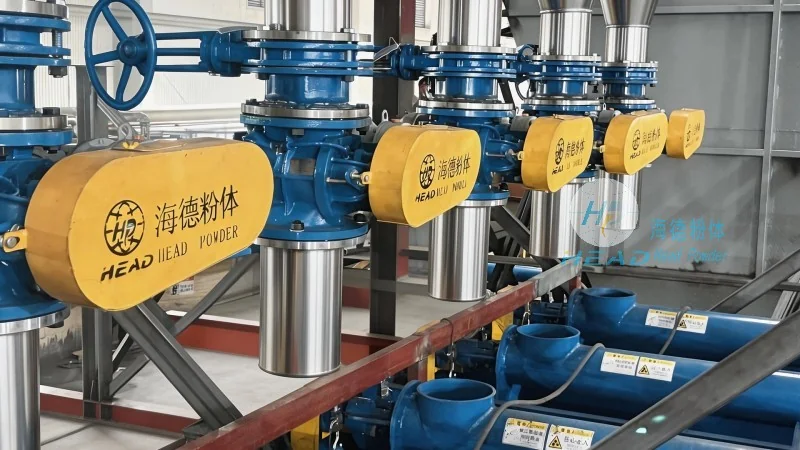
Advantages of Using Pneumatic Conveying for Asbestos Powder
Employing pneumatic conveying equipment for asbestos powder offers numerous benefits that enhance operational efficiency and safety. One of the primary advantages is the ability to handle fine and abrasive materials without causing excessive wear on the equipment. The controlled air flow minimizes dust generation, reducing the risk of inhalation and improving workplace safety. Additionally, pneumatic conveying systems can be designed to operate in a closed loop, further containing dust and preventing environmental contamination. This is particularly important for asbestos powder, which is regulated due to its health hazards. Another advantage is the flexibility of the system, as it can be easily integrated into existing production lines and adapted to different material flow rates and distances. The system also reduces the need for manual handling, minimizing the risk of exposure to the material for workers.
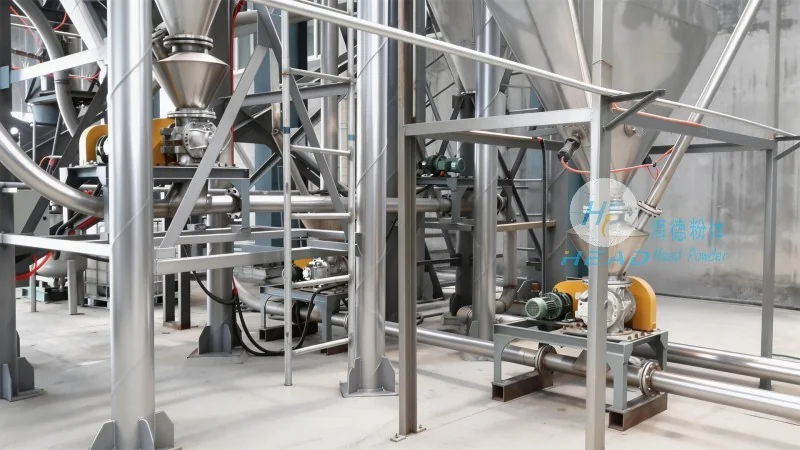
Applications and Industry Standards
Pneumatic conveying equipment for asbestos powder is widely used in various industrial sectors, including construction, manufacturing, and mining. In the construction industry, it is used to transport asbestos powder for roofing and insulation applications. In manufacturing, it is employed in the production of asbestos-based products, such as friction materials and gaskets. The equipment is also used in mining operations to transport asbestos ore from the mine to processing facilities. Compliance with industry standards and regulations is critical when using this equipment. For asbestos powder, which is subject to strict safety guidelines due to its potential health risks, the system must be designed and operated in accordance with local and international regulations. This includes proper ventilation, dust control measures, and regular maintenance to ensure the equipment operates safely and efficiently.
Maintenance and Safety Considerations
Maintaining the pneumatic conveying equipment for asbestos powder is essential to ensure its longevity and safe operation. Regular maintenance procedures should include checking the air supply system for proper pressure and flow, inspecting the conveying pipeline for blockages or damage, and cleaning the feed hopper and discharge device to prevent material buildup. Safety considerations are paramount when handling asbestos powder, as the material is hazardous. Workers should wear appropriate personal protective equipment (PPE), such as respirators and gloves, when operating the equipment. The system should also be equipped with dust collection and filtration systems to capture any airborne particles and prevent their release into the environment. Additionally, regular health monitoring of workers is recommended to detect any potential health effects from asbestos exposure.