

Principle of Biomass Pneumatic Conveying Systems
Biomass pneumatic conveying systems are critical for the efficient handling and transportation of biomass materials across various industrial sectors. These systems leverage air as the primary conveying medium to move bulk materials from one location to another, offering a flexible and effective solution for material transport in biomass energy, agriculture, and waste management applications.
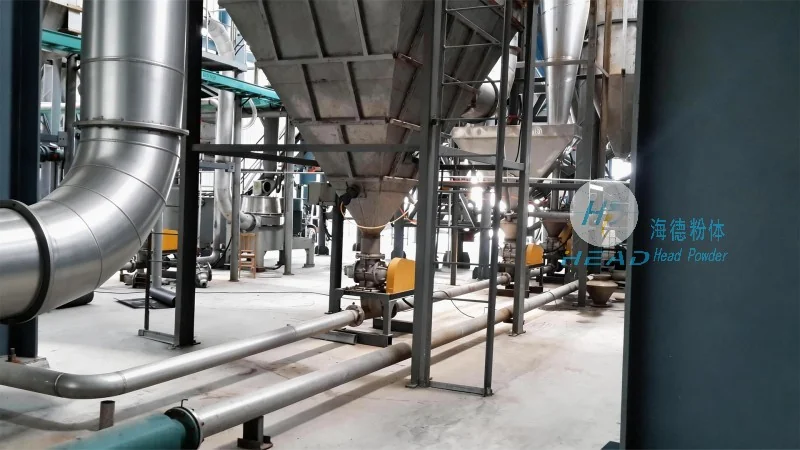
Core Components and Working Principle
The fundamental principle of a biomass pneumatic conveying system involves generating airflow using a blower or compressor to propel biomass particles through a pipeline. Key components typically include a material hopper for storage, a feeder to regulate flow rate, a conveying line, and a receiver for discharged material. The system operates by creating a pressure differential—either positive or negative—to move the material. In positive pressure systems, air is forced through the material, while negative pressure systems draw air and material through the line. This mechanism ensures reliable and continuous transport of biomass, minimizing product degradation and enabling efficient process integration.
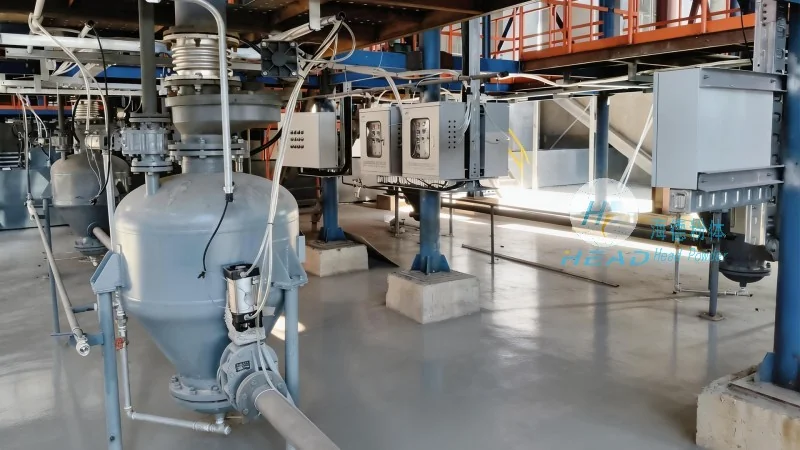
Advantages of Biomass Pneumatic Conveying
Biomass pneumatic conveying systems provide several advantages over traditional mechanical conveying methods. These include reduced labor costs through automated operation, enhanced safety by minimizing human exposure to dust and particles, and precise flow regulation for improved process control. The systems are adaptable to various biomass types, such as wood chips, pellets, and agricultural residues, making them versatile for diverse applications. Additionally, the technology optimizes air usage and reduces material handling time, contributing to energy efficiency and cost-effectiveness for biomass processing facilities focused on sustainability.
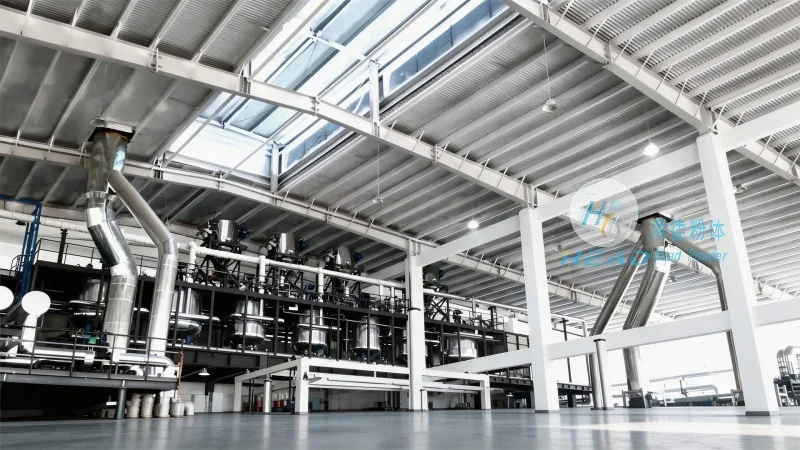
Applications in Biomass Processing
Biomass pneumatic conveying systems are integral to the processing of biomass for energy production. They facilitate the transport of raw biomass from storage areas to processing units like grinders or pelletizers. In biomass power plants, these systems ensure consistent fuel supply to boilers, while in biogas facilities, they move organic waste to digestion tanks. The systems also support agricultural operations by transporting harvested biomass from fields to processing centers for use as animal feed or biofuel. By integrating with other processing equipment, the biomass pneumatic conveying systems enhance overall operational efficiency and productivity in biomass handling.
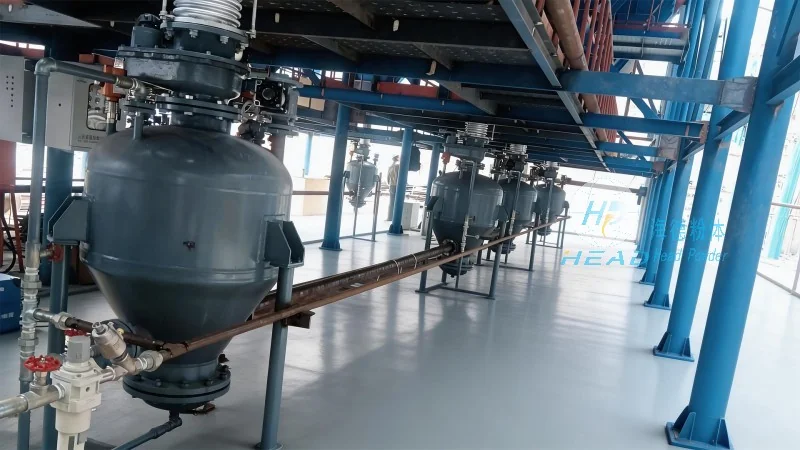
Company Profile: Shandong HeadPowder Engineering Co., Ltd.
HeadPowder, or Shandong HeadPowder Engineering Co., Ltd., is a leading manufacturer specializing in the design and supply of advanced pneumatic conveying systems for biomass and bulk materials. With a strong emphasis on innovation and quality, the company has established itself as a trusted partner in the industry, providing customized solutions tailored to client needs. HeadPowder's expertise lies in developing efficient and reliable systems that meet the stringent requirements of modern biomass processing facilities. The company's headquarters is located in Shandong, China, where it leverages local resources and expertise to deliver high-performance equipment that enhances operational performance and sustainability in material handling.