

Principle of Quartz Sand Powder Pneumatic Conveying System
Quartz sand powder pneumatic conveying systems represent a sophisticated method for transporting dry powders, including quartz sand, through a pipeline using pressurized air or vacuum. This technology is widely utilized in industrial applications due to its efficiency, flexibility, and ability to handle fine powders like quartz sand without the need for mechanical components that might cause contamination or degradation. The fundamental principle revolves around creating a flow of air that carries the powder particles through the system, ensuring reliable and continuous material transport from the source to the destination.
Core Components and Their Functions
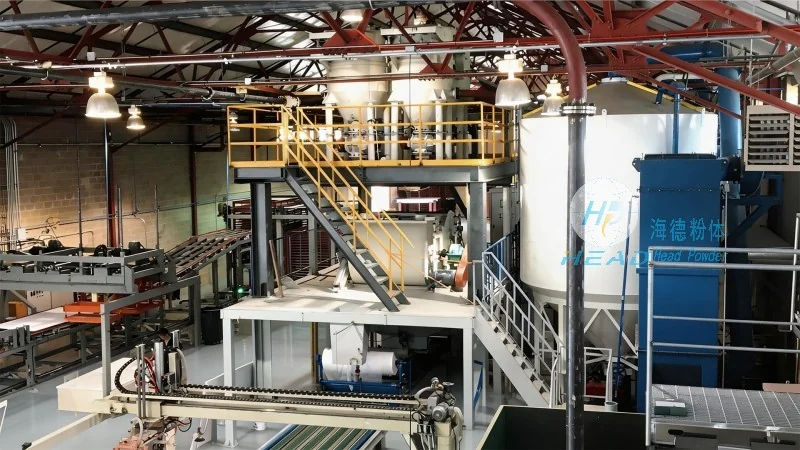
The effectiveness of a quartz sand powder pneumatic conveying system depends on several key components, each playing a critical role in the overall operation. The primary components include the material hopper, which serves as the storage and feeding unit for the quartz sand powder. This hopper is equipped with a feeder, typically a rotary valve or a screw feeder, that controls the flow rate of the material into the conveying line. The feeder ensures a consistent and controlled supply of powder, preventing overloading or underfeeding that could disrupt the conveying process.
Next, the conveying line itself is a crucial component, often made of stainless steel or other corrosion-resistant materials to handle the abrasive nature of quartz sand. The line is designed to withstand the pressure and flow conditions, with appropriate fittings and elbows to direct the air and powder mixture. The system may also include a filter or cyclone separator at the receiving end to separate the powder from the air, ensuring that the material is deposited in the target container without loss or contamination. Additionally, a pressure regulator or vacuum pump may be used depending on the system configuration, providing the necessary force to move the powder through the pipeline.
Types of Pneumatic Conveying Systems
There are two main types of pneumatic conveying systems: pressure and vacuum. Pressure systems operate by injecting air or gas into the conveying line under pressure, pushing the powder forward. This type is suitable for short to medium distances and can handle larger quantities of material. Vacuum systems, on the other hand, use a vacuum pump to create a negative pressure that draws the powder into the line. Vacuum systems are ideal for long-distance transport or when the material needs to be collected from multiple sources.
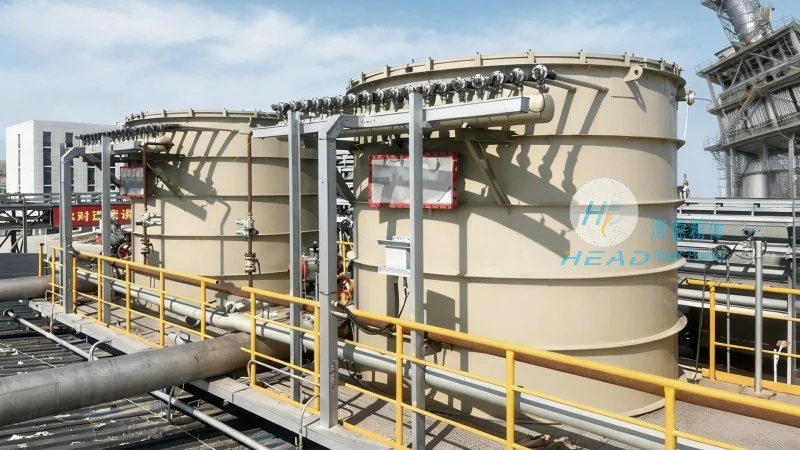
For quartz sand powder, a pressure system is often preferred due to the high density and abrasive nature of the material. The pressure system ensures that the powder is transported efficiently without the risk of clogging or blockages that can occur in vacuum systems. The system design, including the choice of pressure and the configuration of the conveying line, is tailored to the specific characteristics of quartz sand, such as particle size, moisture content, and flowability.
Advantages of Quartz Sand Powder Pneumatic Conveying
Implementing a pneumatic conveying system for quartz sand offers several advantages over traditional mechanical conveying methods. One of the key benefits is the reduction in material degradation and contamination. Since the powder is not in direct contact with mechanical parts like belts or buckets, there is minimal risk of wear and tear or contamination from external sources. This is particularly important for quartz sand, which is often used in high-purity applications such as glass manufacturing or electronics.
Another advantage is the flexibility and scalability of the system. Pneumatic conveying systems can be easily expanded or modified to accommodate changes in production volume or process requirements. The ability to transport material over long distances without the need for intermediate storage or transfer points also enhances operational efficiency. Additionally, the system is relatively low maintenance compared to mechanical systems, as there are fewer moving parts that require regular inspection and replacement.
Application Examples in Industrial Settings
Quartz sand powder pneumatic conveying systems are widely used in various industrial sectors. In the glass industry, for example, quartz sand is a primary raw material used to produce glass. The pneumatic conveying system ensures that the quartz sand is transported from storage silos to the glass melting furnaces without any loss or contamination, maintaining the high quality of the final product. In the construction industry, quartz sand is used as an aggregate in concrete and mortar, and the system helps in efficiently transporting the sand from storage to the mixing plants.

In the chemical and pharmaceutical industries, quartz sand is used as a filler or abrasive material. The pneumatic conveying system allows for the safe and controlled transport of these materials, minimizing the risk of dust exposure and ensuring compliance with safety regulations. The system's ability to handle fine powders also makes it suitable for applications where the material needs to be mixed with other chemicals or processed further.
Installation and Maintenance Considerations
Proper installation and regular maintenance are essential for the reliable operation of a quartz sand powder pneumatic conveying system. During installation, it is crucial to ensure that all components are properly aligned and secured to prevent vibrations or leaks that could affect the system's performance. The conveying line should be checked for any signs of wear or damage, and the filter or separator should be regularly cleaned to maintain efficiency.
Maintenance activities include inspecting the feeder and hopper for any blockages or wear, checking the pressure regulator or vacuum pump for proper operation, and ensuring that the filter media is replaced or cleaned as needed. Regular cleaning of the system is also important to prevent the buildup of dust or debris, which can affect the conveying efficiency and lead to clogging. By following proper maintenance procedures, the system can operate at optimal performance levels, reducing downtime and maintenance costs.