

Principle of Reduction Iron Powder Pneumatic Conveying System
Understanding the pneumatic conveying system for reduction iron powder is crucial for industries that rely on efficient material handling and transportation. This system utilizes air pressure to move iron powder, a key component in various industrial applications, from one location to another with precision and reliability. The following article delves into the fundamental principles, components, and operational aspects of such a system, providing insights into its design and functionality.
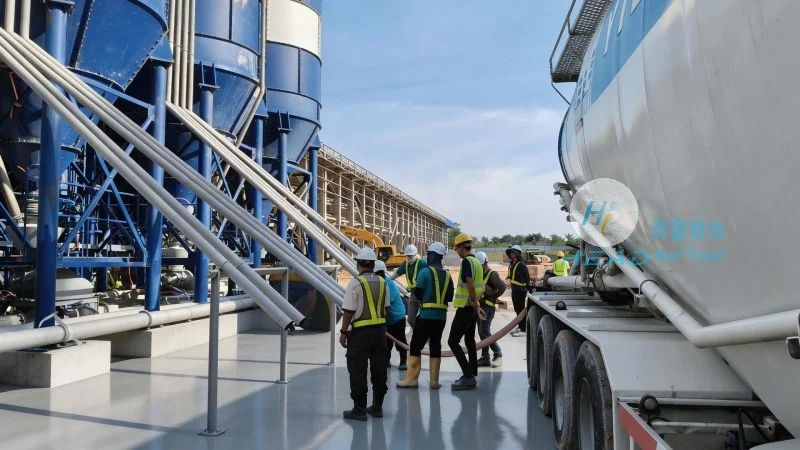
Introduction to Reduction Iron Powder Pneumatic Conveying Systems
Reduction iron powder, often used in metallurgy, chemical processing, and other industrial sectors, requires specialized handling due to its fine particle size and potential for dust accumulation. Traditional methods like belt conveyors or bucket elevators may not be suitable for this material, as they can cause particle degradation or environmental issues. Pneumatic conveying systems offer a solution by transporting the powder through a pipeline using compressed air, ensuring minimal contamination and efficient movement. This technology is particularly valuable for applications where dust control, product purity, and system flexibility are paramount.
Company Overview: HeadPowder
Shandong HeadPowder Engineering Co., Ltd., commonly known as HeadPowder, is a leading manufacturer and supplier of industrial material handling solutions. With a focus on innovation and quality, the company specializes in designing and implementing pneumatic conveying systems tailored to the unique needs of its clients. HeadPowder's expertise lies in understanding the complexities of material properties and translating them into efficient, reliable systems. The company operates from China, leveraging local resources and industry knowledge to deliver high-performance solutions for global markets.
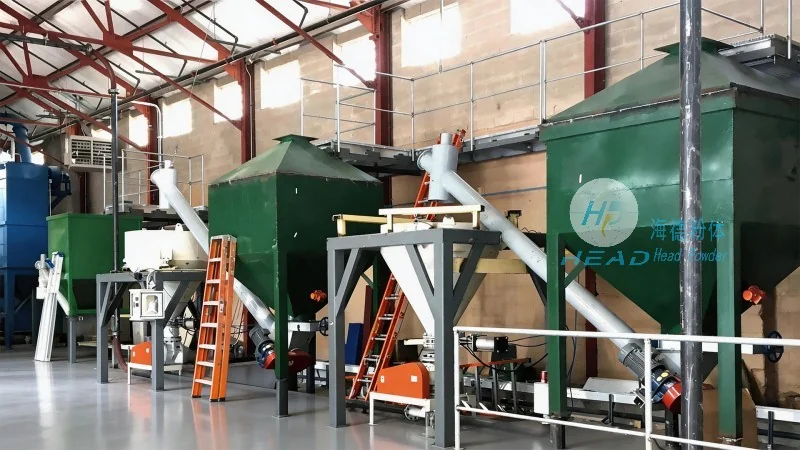
System Components and Working Principle
The reduction iron powder pneumatic conveying system consists of several key components that work in tandem to achieve efficient material transport. The primary components include a hopper for material storage, a feeder to control the flow rate, a compressor to generate the necessary air pressure, a pipeline network to guide the material, and a receiver to collect the conveyed powder. The working principle involves feeding the iron powder into the hopper, where it is then metered by the feeder. Compressed air from the compressor is introduced into the pipeline, creating a flow that entrains the powder particles and propels them through the system. The air and powder mixture travels through the pipeline until it reaches the receiver, where the powder is separated from the air and collected for further processing.
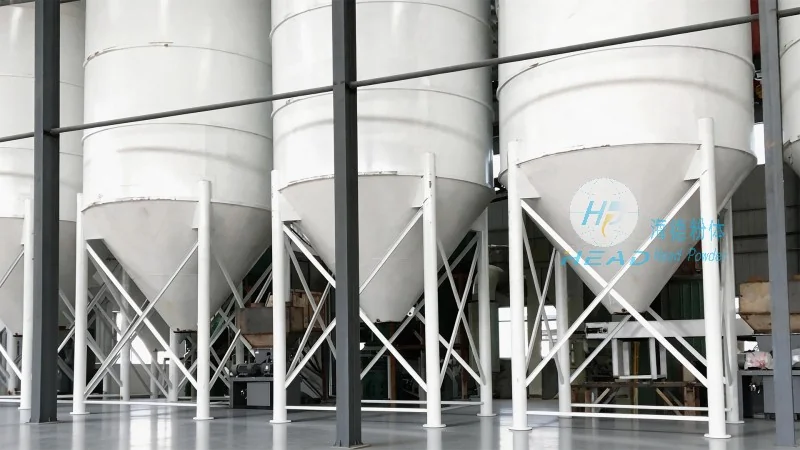
Advantages of the Pneumatic Conveying System
Compared to traditional mechanical conveying methods, the pneumatic system offers several advantages that make it ideal for handling reduction iron powder. One of the most significant benefits is the ability to transport fine powders without degradation or agglomeration. The air flow helps maintain particle integrity, ensuring that the material remains in its original state. Additionally, the system provides excellent dust control, as the material is contained within the pipeline, reducing environmental impact and health risks. Flexibility is another key advantage, as the system can be easily reconfigured to accommodate changes in production requirements or facility layout. The compact design of the components also allows for space-saving installations, making it suitable for both new and existing industrial setups.
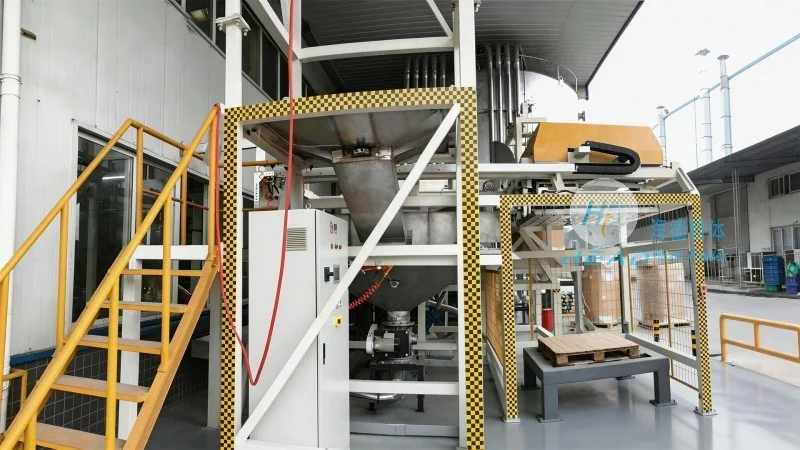
Application Scenarios and Industry Impact
The reduction iron powder pneumatic conveying system is widely used in various industries where iron powder is a critical component. In metallurgy, it is used in the production of steel and other alloys, where precise control over powder flow is essential. In chemical processing, the system aids in the handling of iron-based catalysts and additives, ensuring consistent performance in chemical reactions. The system also finds applications in the manufacturing of magnetic materials and in the production of iron powder for use in batteries and other electronic devices. By improving material handling efficiency, the system contributes to increased productivity and reduced operational costs for businesses in these sectors.
Conclusion
In summary, the reduction iron powder pneumatic conveying system is a sophisticated and efficient solution for transporting fine materials like reduction iron powder. Through the integration of advanced components and a well-designed operational principle, the system ensures reliable, dust-free, and flexible material handling. Companies like Shandong HeadPowder Engineering Co., Ltd. play a vital role in providing such systems, leveraging their expertise to meet the evolving needs of industries. As demand for efficient material handling continues to grow, pneumatic conveying systems will remain a cornerstone technology in the processing and transportation of iron powder and other fine materials.