

Principle of Catalyst Powder Pneumatic Conveying System
Shandong HeadPowder Engineering Co., Ltd., commonly known as headpowder, is a professional manufacturer and supplier specializing in the design, development, and production of advanced pneumatic conveying systems for various industrial applications. With a focus on precision and efficiency, the company has established itself as a leading provider in the field of catalyst powder handling and transportation. Headquartered in Shandong, China, the company leverages its local expertise and technological advancements to deliver high-quality solutions tailored to the specific needs of its clients.
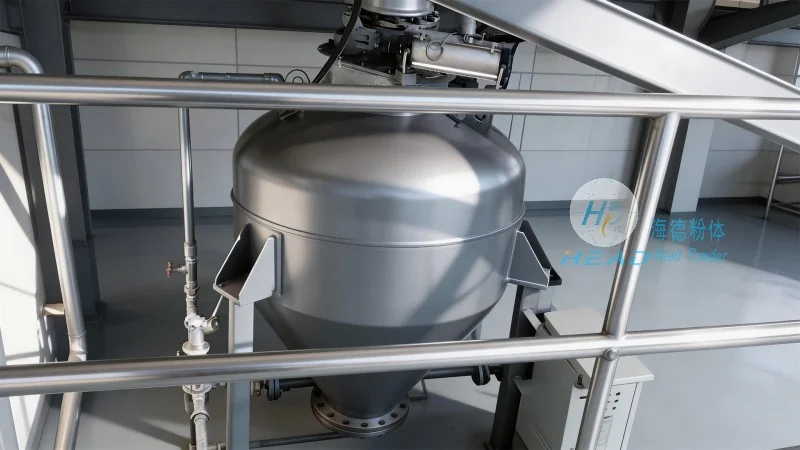
Overview of Pneumatic Conveying Systems for Catalyst Powders
Pneumatic conveying systems are essential for the safe and efficient transportation of catalyst powders in industrial processes. These systems utilize compressed air or other gases to move powders through pipelines, offering a non-contact method that minimizes product contamination and reduces the risk of dust explosions. The principle of operation involves creating a pressure differential between the inlet and outlet of the system, which propels the powder particles through the conveying line. This approach is particularly advantageous for catalyst powders, which often require gentle handling to preserve their catalytic properties and prevent agglomeration.
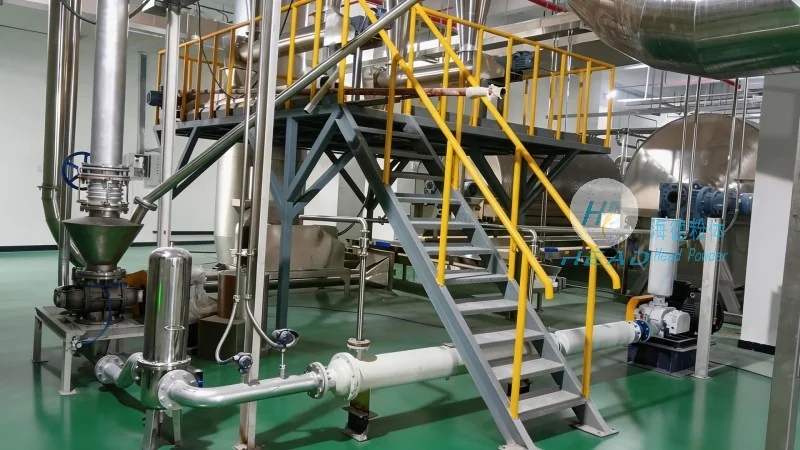
Principle of Operation for Catalyst Powder Pneumatic Conveying
The core of a catalyst powder pneumatic conveying system lies in its ability to handle fine powders with high precision. The system typically consists of several key components, including a hopper for material storage, a feeder to control the flow rate, a conveying line with appropriate diameter and length, and a receiver for the discharged material. The operation begins with the catalyst powder being fed from the hopper into the conveying line. A compressor then supplies compressed air, which is introduced at the inlet of the line. As the air flows through the line, it creates a low-pressure zone at the outlet, drawing the powder particles along with it. The combination of air velocity and particle size determines the conveying velocity, ensuring that the powder is transported without excessive pressure drop or particle damage.
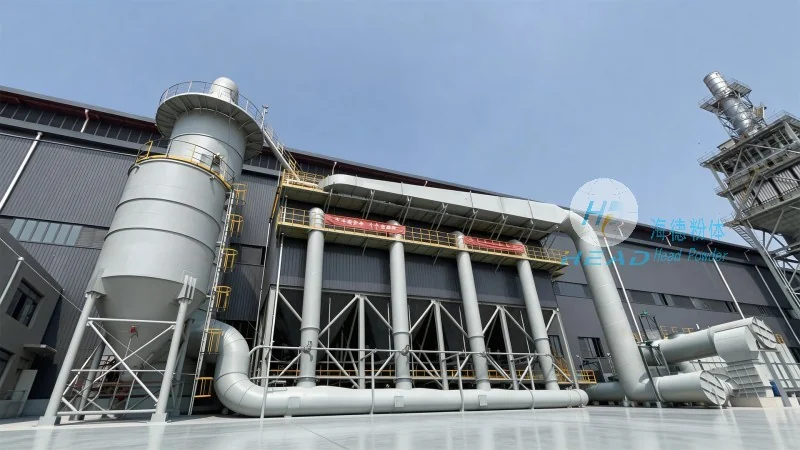
Advantages of Pneumatic Conveying for Catalyst Powders
Compared to traditional mechanical conveying methods, pneumatic systems offer several benefits for catalyst powder handling. Firstly, they provide a dust-free environment, which is crucial for maintaining the purity of catalysts and preventing contamination in downstream processes. Secondly, the non-contact nature of the system reduces the risk of particle attrition and agglomeration, preserving the physical and chemical properties of the catalyst. Additionally, pneumatic conveying systems can handle powders with varying particle sizes and moisture content, making them versatile for different industrial applications. The ability to control the flow rate and pressure also allows for precise dosing, which is essential for processes that require exact amounts of catalyst. Furthermore, these systems are relatively compact and can be integrated into existing production lines, minimizing installation costs and space requirements.
Key Components and Their Functions
Each component of the catalyst powder pneumatic conveying system plays a critical role in ensuring efficient and reliable operation. The hopper serves as the storage vessel, providing a consistent supply of material to the feeder. The feeder, often a rotary valve or a screw feeder, regulates the flow rate of the powder, preventing overfeeding or underfeeding that could lead to system inefficiencies or blockages. The conveying line is typically made of stainless steel or other corrosion-resistant materials to withstand the abrasive nature of catalyst powders and prevent contamination. The line diameter and length are carefully designed based on the particle size, flow rate, and required conveying distance. The receiver, usually a hopper or a storage tank, collects the discharged powder, allowing for further processing or storage. The compressor, which supplies the compressed air, is selected based on the system's required pressure and flow rate, ensuring sufficient power to move the powder through the line.
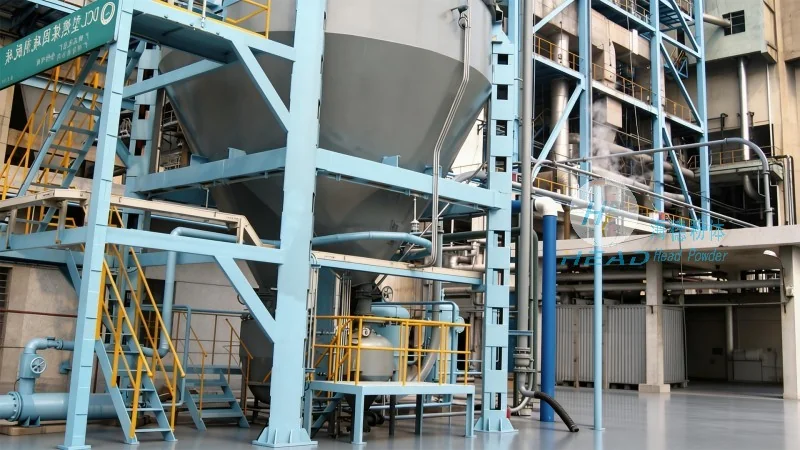
Conclusion
Shandong HeadPowder Engineering Co., Ltd. specializes in the design and manufacturing of advanced pneumatic conveying systems for catalyst powders, leveraging its expertise to provide efficient, reliable, and safe solutions for industrial applications. By understanding the principles of pneumatic conveying and incorporating high-quality components, the company ensures that its systems meet the stringent requirements of the catalyst industry, delivering consistent performance and preserving the quality of the powders being transported. With a focus on innovation and customer satisfaction, headpowder continues to be a trusted partner for businesses seeking effective and sustainable powder handling solutions.