

Principle of Stone and Coal Pneumatic Conveying System
Understanding the fundamental principles of pneumatic conveying systems is crucial for optimizing material handling processes in various industrial applications. This article delves into the core mechanisms, advantages, and practical applications of stone and coal pneumatic conveying systems, providing a comprehensive overview for professionals in the field.
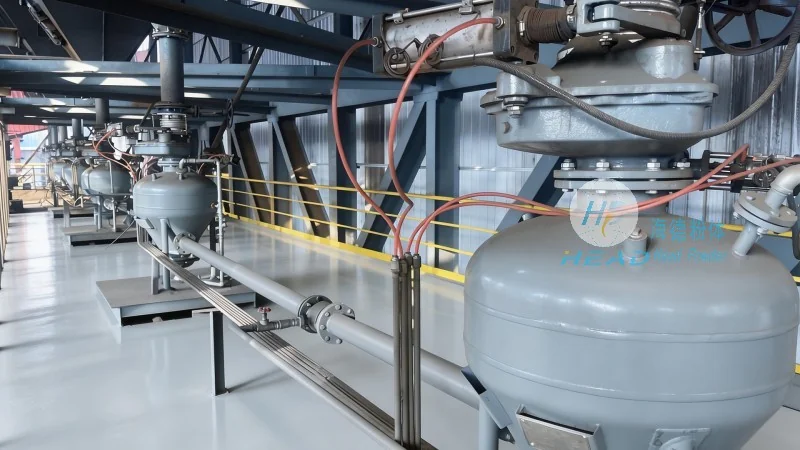
Core Components and Operation
The pneumatic conveying system for transporting stone and coal typically consists of several key components that work in tandem to achieve efficient material movement. The primary elements include a material feed hopper, a conveying pipeline, a pressure or vacuum source, and a discharge mechanism. The process begins with the material being fed into the hopper, where it is then introduced into the pipeline under pressure or suction. The air or gas flow, often referred to as the conveying medium, propels the material through the pipeline to the desired destination. This method eliminates the need for mechanical components like belts or buckets, reducing maintenance and operational costs.
Advantages of Pneumatic Conveying for Stone and Coal
Compared to traditional mechanical conveying methods, pneumatic systems offer several distinct advantages for handling stone and coal. One of the most significant benefits is the ability to transport materials over long distances with minimal loss or degradation. The enclosed pipeline system prevents contamination from external elements, ensuring the purity of the material. Additionally, pneumatic conveying systems are highly flexible, allowing for changes in route or destination without major infrastructure modifications. This adaptability makes them ideal for dynamic industrial environments where material flow requirements may change frequently.
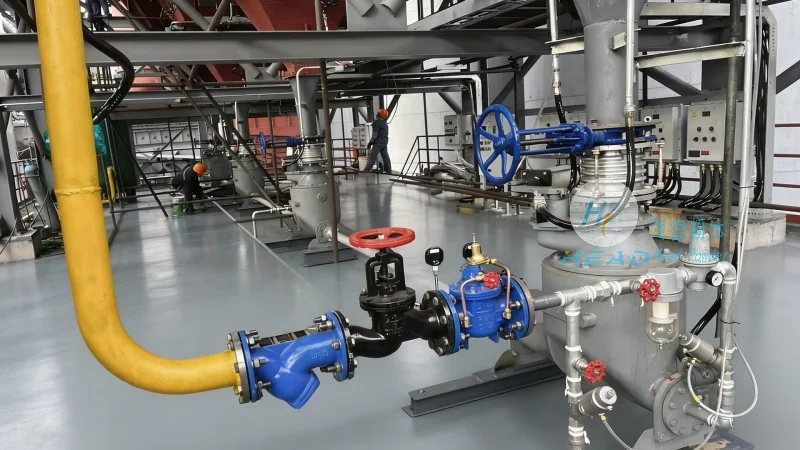
Application Examples in Industrial Settings
Stone and coal pneumatic conveying systems are widely used in various industrial sectors, including mining, power generation, and construction. In mining operations, these systems efficiently transport raw ore and coal from extraction sites to processing facilities, improving operational efficiency and reducing labor costs. In power plants, pneumatic conveying is used to move coal from storage silos to boilers, ensuring a steady supply of fuel. The construction industry also benefits from these systems, as they can transport aggregates and other bulk materials to job sites with ease. The versatility of pneumatic conveying makes it a preferred choice for applications where reliability and efficiency are paramount.
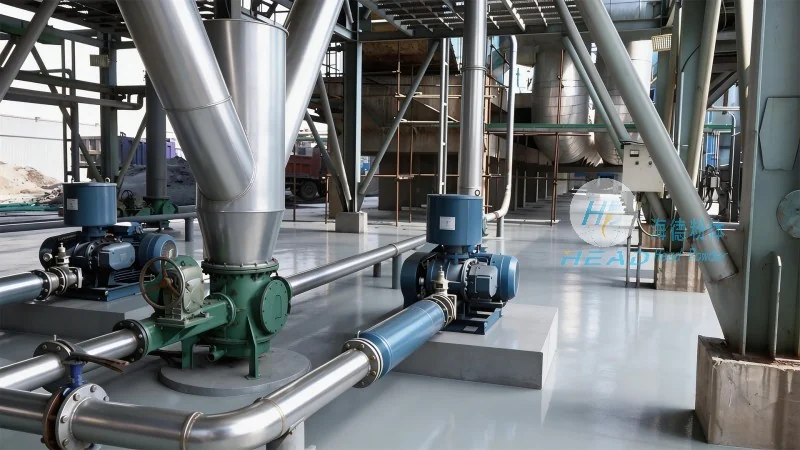
Company Overview: Shandong HeadPowder Engineering Co., Ltd.
Headpowder, a leading provider of engineering solutions, specializes in the design, manufacturing, and installation of advanced pneumatic conveying systems. With a strong focus on innovation and customer satisfaction, the company has established itself as a trusted partner in the industry. Headpowder's team of experienced engineers and technicians leverages cutting-edge technology to develop customized solutions tailored to the specific needs of each client. The company's headquarters is located in Shandong, China, where it operates a state-of-the-art facility for research, development, and production. Headpowder's commitment to quality and reliability has earned it a reputation for delivering high-performance systems that meet or exceed industry standards.
Conclusion
Stone and coal pneumatic conveying systems represent a sophisticated and efficient approach to material handling, offering numerous benefits over traditional methods. By understanding the principles and applications of these systems, industries can enhance their operational efficiency, reduce costs, and improve overall productivity. As technology continues to advance, the role of pneumatic conveying in industrial processes is likely to expand, making it an essential component of modern material handling strategies.