

Types, Features, and Applications of Iron Powder Pneumatic Conveying Systems
Iron powder is a widely used material in various industrial processes, and the efficient handling of this fine powder is crucial for maintaining production efficiency and product quality. Pneumatic conveying systems offer a reliable solution for transporting iron powder from one location to another, and understanding the different types, key features, and application ranges of these systems is essential for selecting the most suitable technology for specific industrial needs. HeadPowder, a leading provider of engineering solutions, specializes in the design and implementation of iron powder pneumatic conveying systems tailored to the unique requirements of industrial clients.
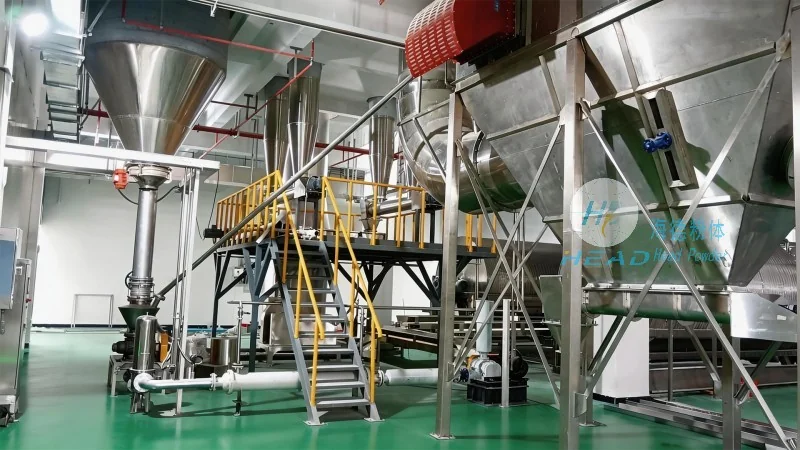
Introduction to Iron Powder Pneumatic Conveying
Pneumatic conveying, also known as air conveying, is a method of transporting bulk materials like iron powder using a stream of air. This technology is preferred in many industries due to its ability to handle fine powders without the need for mechanical components that could cause contamination or damage to the material. The process involves creating a pressure or vacuum differential to move the powder through a pipeline, making it an ideal solution for applications where traditional conveying methods are impractical or inefficient.
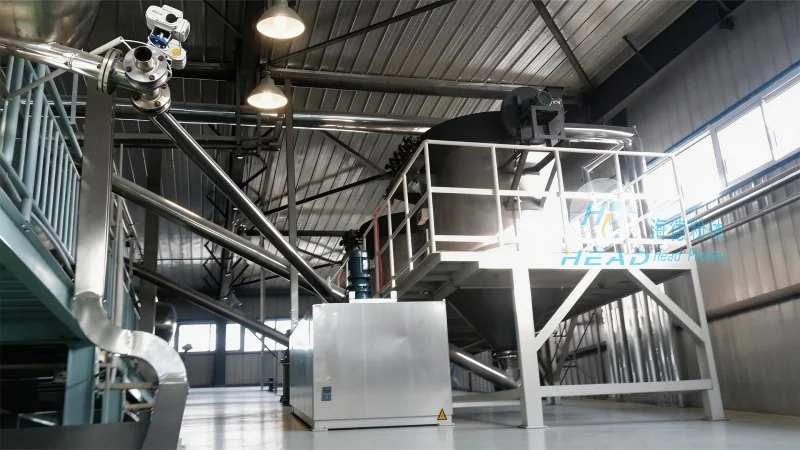
Types of Iron Powder Pneumatic Conveying Systems
There are primarily two types of pneumatic conveying systems used for iron powder: dilute-phase and dense-phase systems. Each type has distinct characteristics and is suitable for different operational conditions and material properties.
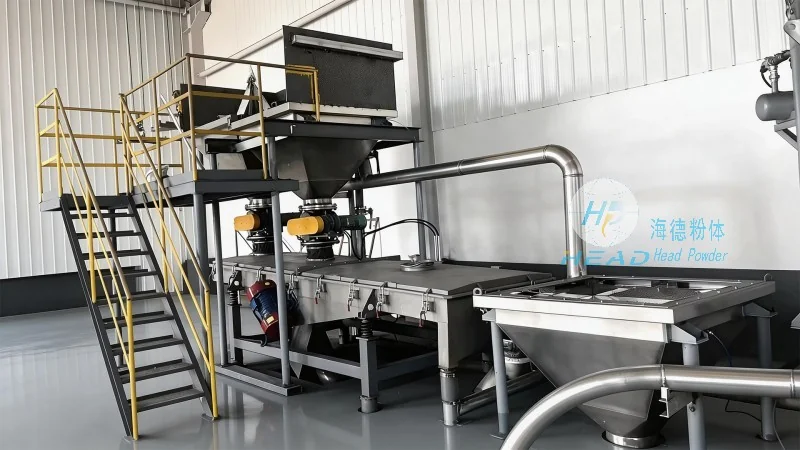
Dilute-Phase Pneumatic Conveying
Dilute-phase systems operate at relatively high velocities, typically between 20 to 100 meters per second, and use low air-to-material ratios. In this system, the iron powder is suspended in the air stream as a fine mist, allowing for long-distance transport with minimal pressure drop. This type of system is commonly used for short to medium-distance conveying, where the material is not prone to agglomeration or caking. The key advantage of dilute-phase conveying is its simplicity and lower capital cost compared to dense-phase systems. However, it may not be suitable for materials that are highly cohesive or sensitive to air exposure.