

Application of Pneumatic Conveying in the Bulk Handling of Glass Fibers
For industries dealing with glass fibers, efficient and reliable bulk material transport is crucial to maintaining production efficiency and product quality. Pneumatic conveying technology has emerged as a key solution for handling glass fibers in bulk, offering advantages such as reduced labor costs, minimized material damage, and enhanced safety compared to traditional methods like belt conveyors or manual handling.
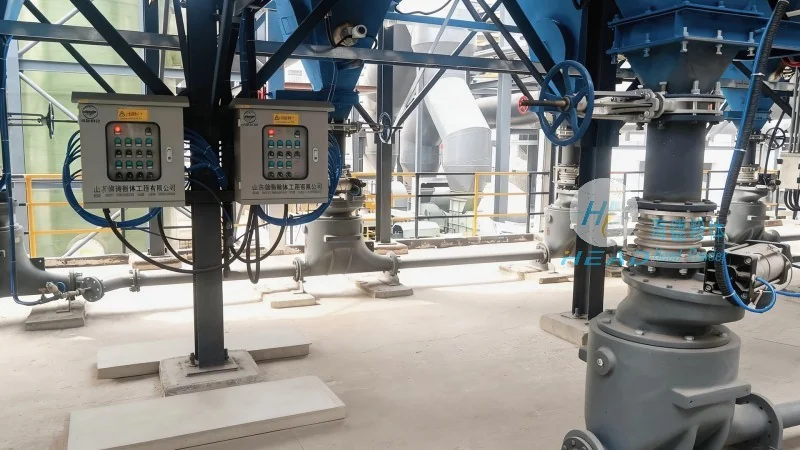
Understanding Pneumatic Conveying Systems for Glass Fibers
Pneumatic conveying systems utilize air or gas to transport bulk materials through a pipeline network. In the context of glass fibers, these systems are designed to handle the delicate and abrasive nature of the material while ensuring minimal breakage and contamination. The core components of a typical pneumatic conveying system include a material feeder, a conveying line, a dust collector, and a discharge device. The system operates by creating a pressure differential, either through suction (negative pressure) or pressure (positive pressure), to move the glass fibers from the source to the destination.
Key Advantages of Pneumatic Conveying in Glass Fiber Handling
One of the primary benefits of pneumatic conveying for glass fibers is its ability to handle materials in a closed system, which significantly reduces dust emissions and environmental impact. This is particularly important in industries where air quality regulations are stringent. Additionally, the technology allows for precise control over the flow rate and direction of the material, enabling seamless integration with other production processes. Compared to mechanical conveyors, pneumatic systems are less prone to material buildup and clogging, as the abrasive nature of glass fibers can cause wear on equipment. The closed pipeline design also protects the glass fibers from moisture and other contaminants, preserving their quality and performance.
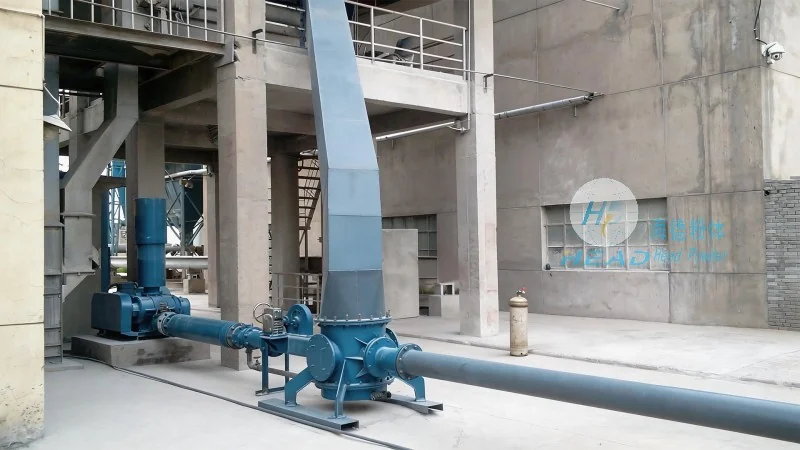
Application Scenarios in Glass Fiber Manufacturing
In glass fiber manufacturing, pneumatic conveying is widely used in various stages of the production process. For instance, during the raw material handling phase, glass fibers are transported from storage silos to processing lines using pneumatic systems. This ensures a continuous and uninterrupted supply of raw materials, which is critical for maintaining production schedules. During the production of fiber roving or yarn, pneumatic conveying is employed to move the fibers between different processing stations, such as drawing, twisting, and winding. The system's ability to handle high volumes of material at a consistent speed makes it ideal for these applications. Furthermore, in the final packaging stage, pneumatic conveying can be used to transfer finished products from the production line to storage or shipping areas, ensuring efficient logistics and inventory management.
Customization and Integration with HeadPowder Engineering Solutions
Shandong HeadPowder Engineering Co., Ltd., a leading provider of bulk material handling solutions, specializes in designing and manufacturing customized pneumatic conveying systems tailored to the specific needs of glass fiber manufacturers. The company's expertise lies in understanding the unique challenges associated with handling glass fibers, such as their low bulk density and tendency to form static charges. By leveraging advanced engineering and material science, HeadPowder engineers develop systems that address these challenges effectively. For example, the company may incorporate anti-static measures and specialized materials in the pipeline and components to prevent material buildup and ensure smooth operation. Additionally, HeadPowder offers integration services to connect pneumatic conveying systems with existing production lines, ensuring seamless operation and minimal downtime during installation and commissioning.
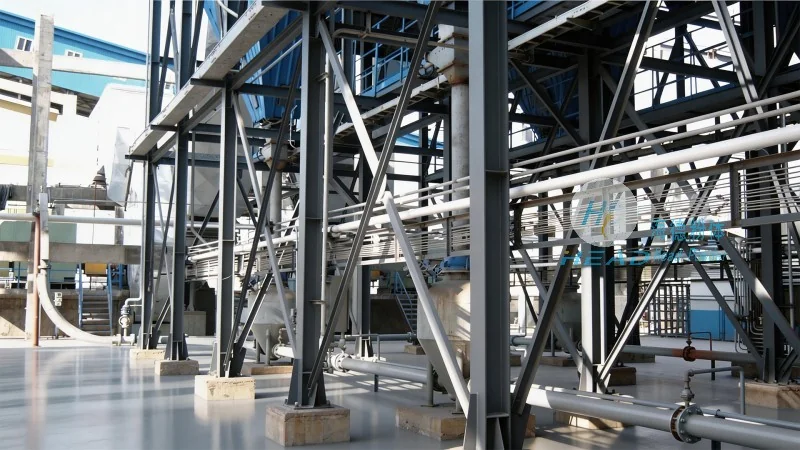
Ensuring Reliability and Longevity in Pneumatic Conveying Systems
Reliability is a top priority for glass fiber manufacturers when selecting pneumatic conveying systems. Shandong HeadPowder Engineering Co., Ltd. addresses this by employing high-quality materials and robust construction in their systems. The company uses corrosion-resistant materials for the conveying lines and components, which are essential for withstanding the abrasive nature of glass fibers and the potential presence of moisture or chemicals in the environment. Regular maintenance and service programs are also offered to ensure the longevity of the systems and minimize operational disruptions. By focusing on durability and performance, HeadPowder helps glass fiber manufacturers achieve consistent production output and maintain product quality over the long term.
Conclusion: The Role of Pneumatic Conveying in Modern Glass Fiber Handling
As the glass fiber industry continues to evolve, the demand for efficient and reliable bulk material transport solutions remains high. Pneumatic conveying technology, with its numerous advantages in handling delicate and abrasive materials like glass fibers, plays a vital role in meeting these demands. Shandong HeadPowder Engineering Co., Ltd. stands as a trusted partner in providing customized pneumatic conveying systems that enhance productivity, safety, and environmental compliance for glass fiber manufacturers. By leveraging their expertise and innovative solutions, HeadPowder helps clients optimize their material handling processes and stay competitive in the global market.