News
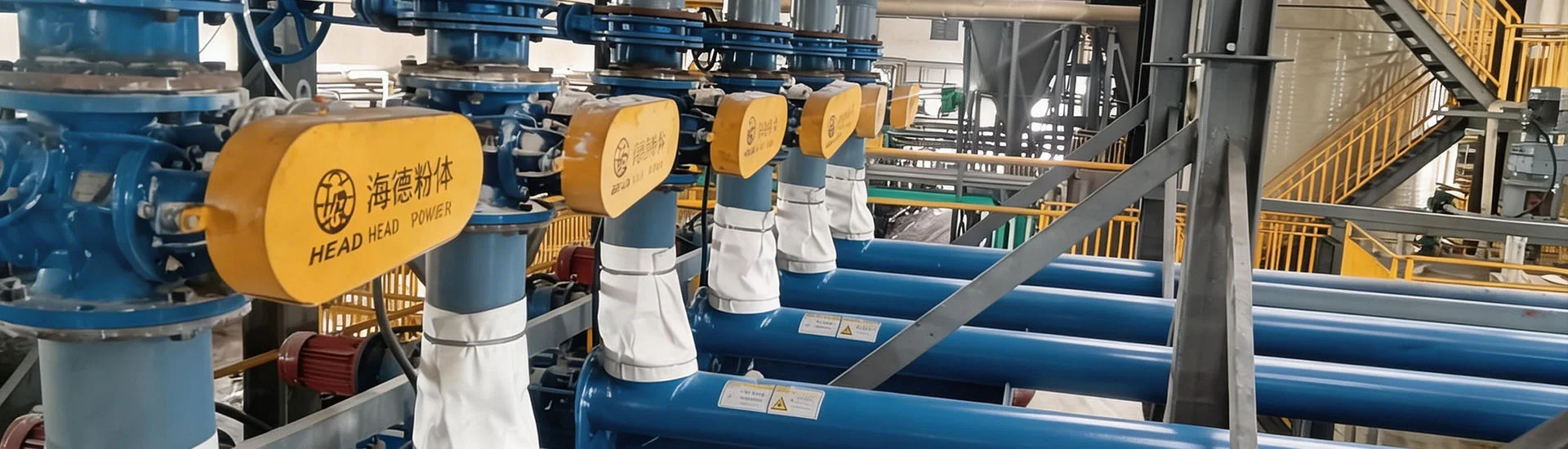
Rich project cases across industries, showing real implementation and proven technical strength.The processing of molybdenum concentrate powder presents distinct challenges that demand specialized handling solutions. With a typical particle size ranging from 45 to 150 microns and a bulk density between 1.5 and 2.2 g/cm³, this material is both abrasive and prone to oxidation if not transported in an inert environment. Traditional mechanical conveying methods, such as screw conveyors or bucket elevators, often lead to excessive equipment wear, material degradation, and cross-contamination. In contrast, pneumatic conveying systems offer a sealed, automated, and gentle transport alternative that preserves particle integrity while meeting stringent safety requirements. The global market for pneumatic conveying equipment in the mining and mineral processing sector is projected to grow at a compound annual growth rate of approximately 6.2% through 2026, driven by increasing demand for efficient material handling in refractory metal production. This growth underscores the necessity for system solutions tailored specifically to molybdenum concentrate, a material that accounts for over 60% of the total cost in downstream processing of molybdenum products.
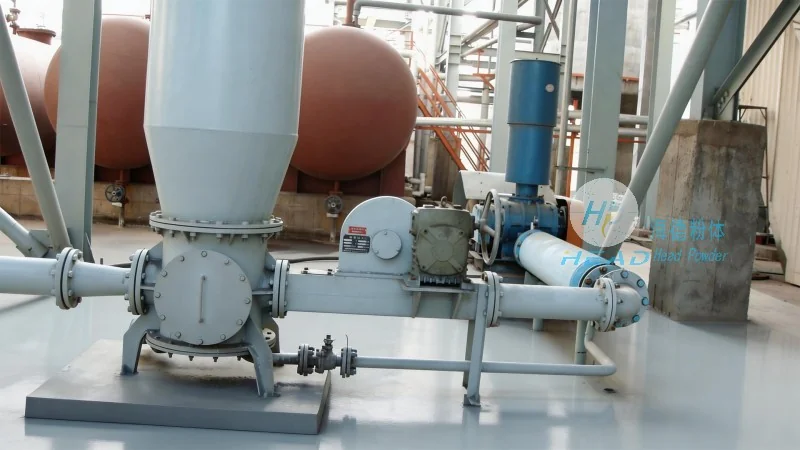
Pneumatic conveying systems for molybdenum concentrate powder operate on the principle of using pressurized air or an inert gas to transport material through a closed pipeline. The two primary modes—dilute phase and dense phase—each offer distinct advantages depending on the specific application requirements. In dilute phase conveying, particles are suspended in a high-velocity airstream (typically 20–35 m/s), making it suitable for short-distance transfer at lower throughputs. However, for molybdenum concentrate, which is valued at over $35 per kilogram and often processed in batch quantities exceeding 5 tons per hour, dense phase conveying is preferred. Dense phase systems operate at lower velocities (1–8 m/s) and higher pressures (up to 6 bar), using a pulsed air supply to push slugs of material through the line. This approach significantly reduces pipe erosion—a critical factor given the abrasive nature of molybdenite (MoS₂) particles—and minimizes dust generation, which is essential for maintaining workplace air quality below the permissible exposure limit of 5 mg/m³ for molybdenum dust as recommended by occupational health standards.
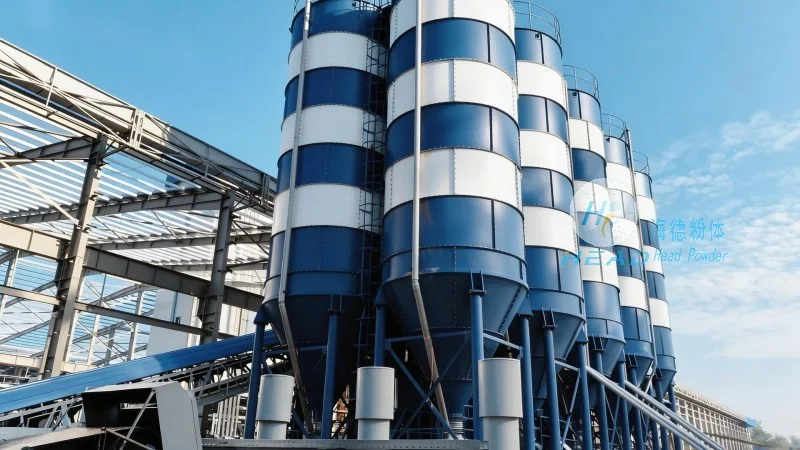
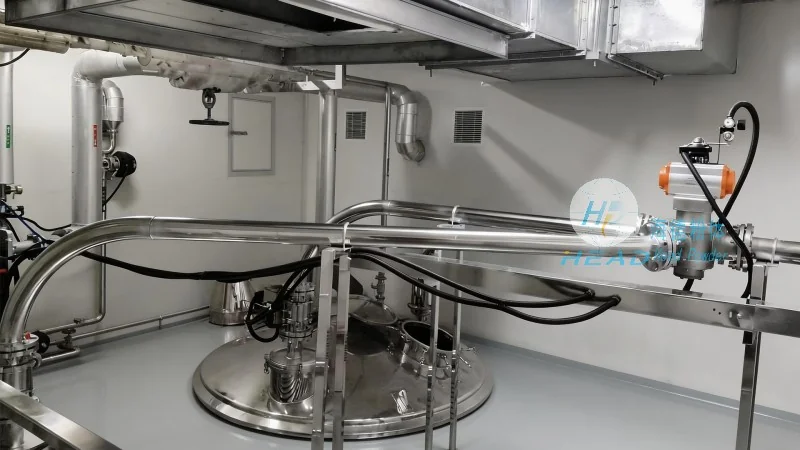
A comprehensive molybdenum concentrate powder pneumatic conveying equipment system solution comprises several interconnected modules, each engineered to address material-specific behaviors. The receiving hopper is designed with a steep wall angle (minimum 70 degrees) and lined with wear-resistant ceramic tiles to prevent material bridging. A rotary airlock valve with adjustable tip speed regulates the feed rate into the conveying line, while a blow tank (also known as a pressure vessel) serves as the primary propulsion unit for dense phase transport. The conveying pipeline itself must be constructed from materials such as hardened steel or ceramic-lined pipe to withstand the abrasive wear from high-density molybdenum particles. At the destination, a cyclone separator with a collection efficiency of 99.5% for particles above 10 microns recovers the bulk material, followed by a baghouse filter to capture fugitive fines. For systems requiring an inert gas environment—common when handling molybdenum concentrate to prevent spontaneous oxidation—nitrogen generators can be integrated to maintain an oxygen concentration below 5% in the conveying gas. headpowder’s engineering team has refined these components through over 200 field installations, ensuring that every joint, valve, and sensor is optimized for the specific rheological characteristics of molybdenum-based powders.
Selecting between dense phase and dilute phase conveying for molybdenum concentrate requires a quantitative evaluation of several parameters. Key factors include:
Field data from processing plants in the Yichang and Luoyang mining regions indicate that molybdenum concentrate with a particle size distribution of 80% passing 200 mesh (74 microns) performs optimally in a dense phase system operating at a solid-to-air ratio of 15:1 to 25:1 by weight. This ratio ensures stable slug flow while preventing pipe blockage, a common issue when the material’s moisture content exceeds 2%.
Molybdenum concentrate powder, when suspended in air at concentrations above 50 g/m³, can form explosive atmospheres. An effective pneumatic conveying system solution must incorporate multiple layers of safety protection. Explosion vent panels with a static activation pressure of 0.1 bar should be installed on all silos and hoppers, while flame arrestors at potential ignition sources (e.g., rotary valves) reduce the risk of flashback propagation. Electrical equipment in the conveying area must meet IECEx or ATEX standards for Zone 21 classification, requiring IP65-rated enclosures and anti-static grounding straps on all conductive components. Environmental compliance is equally critical: dust emissions from the baghouse filter must stay below 10 mg/Nm³ to satisfy most regional air quality regulations, and the system should include an automatic cleaning cycle using reverse pulse jets at intervals of 5–10 minutes to maintain filter efficiency. headpowder’s standard design packages include a Hazop (hazard and operability) study conducted during the engineering phase, identifying and mitigating risks specific to molybdenum concentrate handling, such as the potential for acidic corrosion if the material contains residual sulfur.
Modern pneumatic conveying systems for molybdenum concentrate rely on advanced instrumentation to maintain stable operation and provide real-time diagnostics. A differential pressure transmitter placed every 30–50 meters along the pipeline monitors the onset of line blockages, while a flowmeter (such as a Coriolis mass flow meter) delivers precise measurement of material throughput with an accuracy of ±0.5%. The control system, typically a programmable logic controller (PLC) with a human-machine interface (HMI), adjusts the blow tank discharge pressure and air injection rate based on the live pressure profile. For multi-source conveying where molybdenum concentrate originates from different flotation circuits, an automated diverter valve manifold can route the material to designated storage bins without interrupting the conveying cycle. Data collected from these instruments can be fed into a predictive maintenance algorithm that forecasts wear in elbows and pipe bends—areas that are typically replaced every 12 to 18 months in high-throughput operations. By leveraging this data, plant operators can schedule maintenance during planned shutdowns, reducing unplanned downtime by as much as 40% compared to reactive maintenance approaches.
A molybdenum processing plant in Inner Mongolia recently upgraded its material handling infrastructure to accommodate a planned throughput increase from 2.5 to 6 tons per hour. The original system, a combination of screw conveyors and bucket elevators, had suffered frequent breakdowns and caused cross-contamination between different concentrate grades. headpowder proposed a dense phase pneumatic conveying solution with a 160-meter pipeline network connecting three grinding mills to two blending silos. The system incorporated a nitrogen purge system to maintain an oxygen level below 3% during transfer, stainless steel pipe sections with a hardness rating of 60 HRC for the first 50 meters of the line where wear is most severe, and a centralized control panel with remote monitoring capabilities. Post-installation, the plant reported a 25% reduction in energy consumption per ton conveyed, a 90% drop in dust emissions to ambient air, and zero instances of pipe blockage over a six-month operational period. The maintenance cost for the conveying section decreased from $12,000 per month to $3,500 per month, largely due to the elimination of belt replacement and chain lubrication tasks required by the previous mechanical system.
When evaluating a molybdenum concentrate powder pneumatic conveying equipment system solution, the initial capital expenditure (CAPEX) must be balanced against long-term operational expenses (OPEX). A typical dense phase system for a 5-ton-per-hour capacity, including blow tank, piping, cyclone, baghouse, control system, and installation, carries a budget of approximately $280,000 to $450,000 depending on pipe length and material specification. In contrast, a comparable dilute phase system might cost 15–20% less upfront but incur 30% higher annual energy costs due to the larger compressor requirement. Additionally, the lifecycle cost analysis should factor in the replacement interval of pipe elbows: using ceramic-lined elbows at $600 each, which last for 60,000 tons of throughput, versus standard carbon steel elbows at $150 each that wear out after 8,000 tons. Over a 10-year period with continuous operation at 80% capacity, the ceramic-lined option yields a net present value savings of approximately $1.1 million when accounting for labor, material, and production losses during changeovers. These economic models are available as part of headpowder’s project feasibility study, customized to each client’s local energy tariffs and labor rates.
Retrofitting a pneumatic conveying system into an operating molybdenum concentrate plant requires careful coordination with existing processes such as grinding, flotation, and drying. The conveying system’s intake point must be positioned to receive material directly from the filter press or dryer discharge, maintaining a moisture content below 0.5% to prevent sticking. The discharge end should feed into storage silos that are themselves equipped with aeration pads and discharge aids to promote consistent flow during downstream batching. Where space is limited, multiple conveying lines can share a common vacuum or pressure source through a manifold arrangement, though each line requires its own control valve to maintain independent operation. The control system interface must communicate with the plant’s distributed control system (DCS) via standard protocols such as Modbus TCP or Profibus PA to enable synchronized start-up and emergency shutdown sequences. headpowder has completed over 50 integration projects in the metallurgical sector, including one where the new conveying system was installed without any production interruption by using temporary bypass conveyors during the tie-in period.
Looking toward 2026 and beyond, the molybdenum concentrate pneumatic conveying market is likely to see several technological shifts. The adoption of digital twin simulations will enable engineers to model system performance under varying particle size distributions and moisture levels before physical installation, reducing commissioning time by up to 30%. Artificial intelligence-based control algorithms that learn from historical pressure and flow data are being tested to self-optimize the conveying cycle in real time, potentially lowering energy consumption by an additional 10-15% compared to current PID-based controls. Another emerging trend is the use of additive manufacturing for custom-designed pipe fittings—such as 3D-printed ceramic-lined elbows with optimized geometry that reduces pressure drop by 20% compared to standard 90-degree bends. Sustainability considerations are also driving innovation: systems that recirculate conveying gas and recover heat from the compressor can lower the carbon footprint of molybdenum processing operations. These developments align with the broader industry movement toward autonomous mining and processing plants, where the material handling segment becomes fully integrated with pit-to-product logistics.
Selecting a reliable partner for molybdenum concentrate powder pneumatic conveying equipment system solutions involves more than comparing equipment prices. It requires a supplier with deep metallurgical process knowledge, proven project management capabilities, and a track record of meeting tight deadlines without compromising safety or quality. A partner should offer a complete lifecycle service from process design and simulation through fabrication, installation, commissioning, and ongoing technical support. When evaluating suppliers, consider their experience with materials of similar abrasiveness and density, their understanding of local regulatory requirements (such as China’s GB standards for dust explosion protection), and their willingness to provide performance guarantees tied to measurable outcomes like energy consumption or system availability. A supplier that can demonstrate a culture of continuous improvement through ISO 9001 certification and participation in industry working groups (e.g., the International Molybdenum Association) is more likely to deliver a solution that remains efficient and compliant over its operational lifetime. (咨询热线:156-6277-7102)

 Shandong headpowder Engineering Co., Ltd.
 156-6277-7102(Manager Zhang)
  0531-83386006
  Jinan City, Shandong Province, China
服务热线
微信咨询
回到顶部