News
Rich project cases across industries, showing real implementation and proven technical strength.In the evolving landscape of industrial material handling, the transportation of fibrous and delicate materials such as wool presents unique challenges that demand specialized solutions. Wool, by its nature, is lightweight, highly compressible, and prone to tangling or clogging under conventional mechanical conveying methods. As the global textile and nonwoven industries continue to expand, with market analysts projecting a compound annual growth rate (CAGR) of approximately 4.5% for wool processing equipment through 2026, manufacturers are increasingly turning to pneumatic conveying systems to streamline operations, reduce labor costs, and improve product quality. Pneumatic conveying, which uses air pressure or vacuum to move materials through enclosed pipelines, offers a dust-free, gentle, and highly efficient alternative to belt conveyors, screw conveyors, or bucket elevators. For wool processors, this technology not only preserves fiber integrity but also enables seamless integration into automated production lines. headpowder, a trusted name in pneumatic system engineering, has developed a comprehensive wool pneumatic conveying equipment system that addresses the specific rheological and aerodynamic properties of wool fibers. This article provides an in-depth technical overview of wool pneumatic conveying systems, covering system configurations, component specifications, operational parameters, industry standards, and real-world implementation considerations. Whether you are an operations manager at a textile mill, a plant engineer at a nonwoven fabric facility, or a consultant evaluating bulk material handling upgrades, this guide will equip you with actionable knowledge to optimize your wool conveying processes.
Pneumatic conveying systems operate on the principle of creating a controlled air stream that suspends and transports particulate materials through a pipeline network. For wool fibers, two primary system types are employed: dilute phase conveying and dense phase conveying. In dilute phase systems, wool fibers are suspended in a high-velocity air stream (typically 20–30 m/s) and moved in a relatively dispersed state. This method is suitable for short-distance transfers and applications where gentle handling is less critical, such as moving wool from storage silos to blending bins. Dense phase conveying, on the other hand, uses lower air velocities (4–10 m/s) and higher material-to-air ratios, allowing wool to move in a "plug" or "slug" form. This approach minimizes fiber breakage and dust generation, making it ideal for longer distances or when conveying high-value specialty wools. The choice between these configurations depends on factors including fiber length, crimp level, moisture content, and the desired throughput rate. Industry data from 2025 indicates that dense phase systems account for over 60% of new wool conveying installations due to their superior fiber preservation characteristics. headpowder's engineering team analyzes each client's wool grade and process requirements to select the optimal conveying regime, ensuring that the system operates within the recommended pressure drop range of 0.5–2.0 bar to prevent fiber degradation.
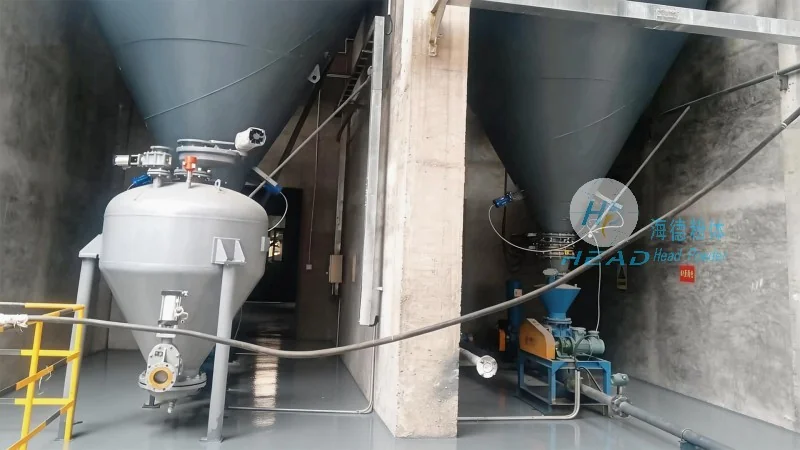
A well-designed wool pneumatic conveying system comprises several integrated components, each engineered to handle the unique challenges of fibrous materials. The core elements include:
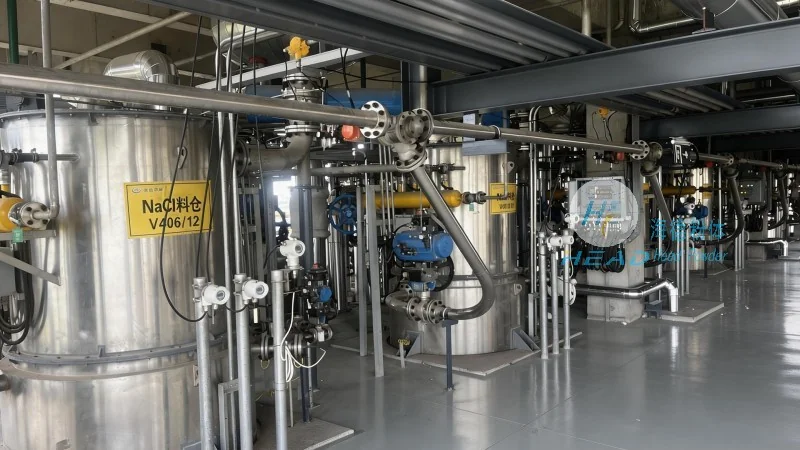
Each component is selected to match the specific wool grade being handled, from fine merino fibers (micron diameter 12–24 µm) to coarse carpet wools (30–40 µm). The system's total installed power typically ranges from 15 kW for small-scale operations (1–3 t/h) to 75 kW for large industrial lines (10–15 t/h).
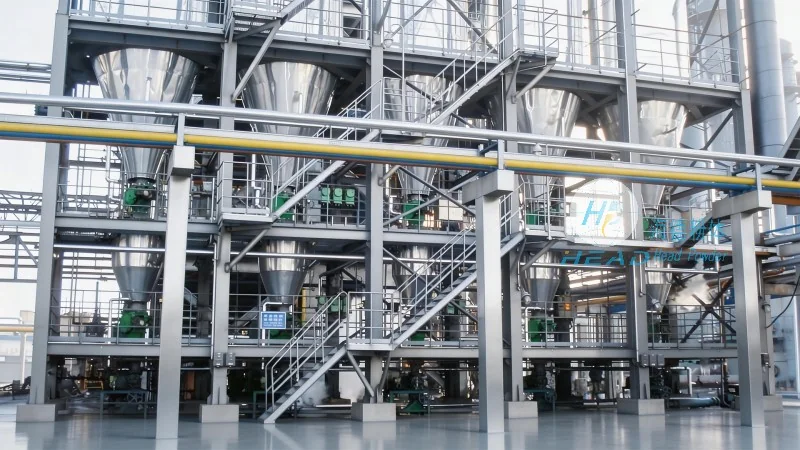
Designing a wool pneumatic conveying system requires careful calculation of key parameters to ensure reliable operation. The most critical factors include:
Case studies from recent installations show that properly designed wool pneumatic systems reduce labor costs by 40–60% compared to manual handling, while fiber breakage rates drop below 0.5% by weight, compared to 2–3% for mechanical conveyors. One textile plant in Shandong Province achieved a 22% increase in overall equipment effectiveness (OEE) after retrofitting from belt conveyors to headpowder's dense phase system.
Successful deployment of a wool pneumatic conveying system requires meticulous planning during installation and ongoing maintenance. During the design phase, headpowder's engineers conduct on-site surveys to assess existing infrastructure, power availability, and space constraints. The installation typically follows these steps:
Preventive maintenance schedules are tailored to system usage. Typical intervals include daily visual inspections of airlocks and filters, weekly checks of belt tension and bearing temperatures, and quarterly calibration of instruments. headpowder offers condition monitoring services using vibration analysis and infrared thermography to detect incipient failures. In 2025, the company introduced a cloud-based predictive maintenance module that analyzes historical operating data and alerts users 48 hours before potential issues arise, reducing unplanned downtime by an average of 35% among early adopters.
The wool processing industry is experiencing significant shifts driven by sustainability demands, automation, and rising raw material costs. As of 2026, the global market for pneumatic conveying equipment in the textile sector is expected to reach $1.2 billion, with wool-specific systems growing at 6.8% annually. Key trends influencing system design include:
In response to these trends, headpowder has invested heavily in R&D, with a dedicated wool application lab that tests fiber behavior under controlled conditions. The lab's 50-meter test loop can replicate any industrial conveying scenario, providing clients with verifiable performance data before purchase. This commitment to innovation and customer-centric engineering positions headpowder as a reliable partner for wool processors worldwide. When considering a new conveying system or upgrading existing equipment, it is advisable to engage with an experienced provider who understands the nuances of wool handling. For detailed technical consultation and a customized system quotation, contact headpowder directly (咨询热线:156-6277-7102). Their engineers will work with you to define system specifications, conduct feasibility studies, and deliver a solution that enhances your production efficiency while preserving the intrinsic quality of your wool fiber. As the industry moves toward greater automation and sustainability, investing in a properly designed pneumatic conveying system is not merely an operational choice—it is a strategic decision that directly impacts profitability and competitiveness in the global textile market.

 Shandong headpowder Engineering Co., Ltd.
 156-6277-7102(Manager Zhang)
  0531-83386006
  Jinan City, Shandong Province, China
服务热线
微信咨询
回到顶部