News
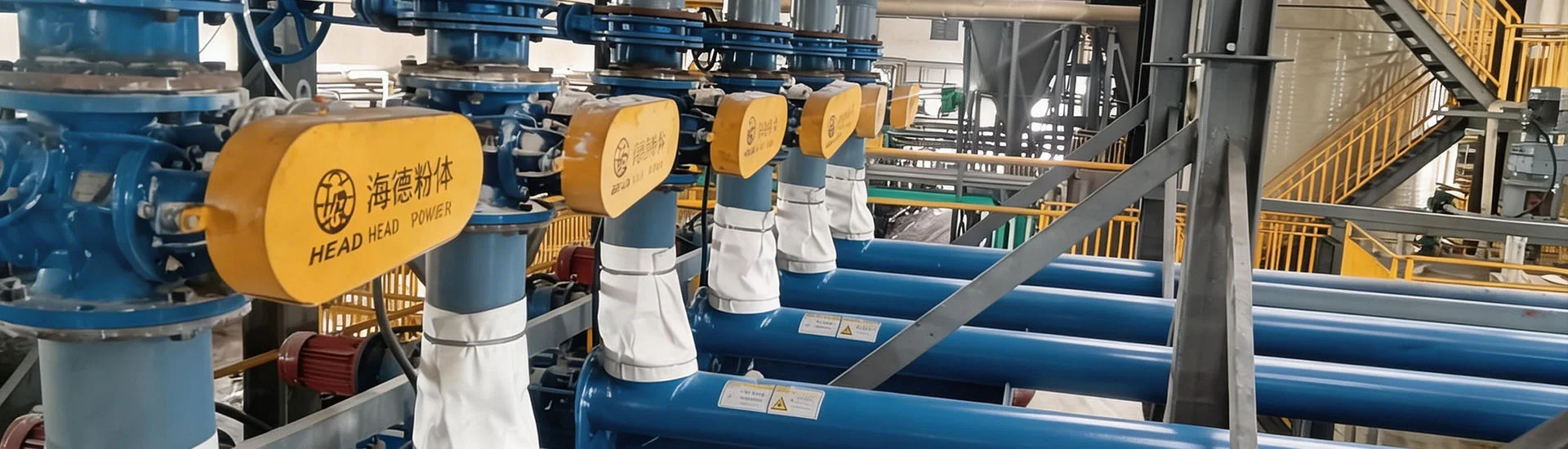
Rich project cases across industries, showing real implementation and proven technical strength.In the rapidly evolving landscape of coffee processing and manufacturing, the efficiency of material handling directly impacts product quality, operational cost, and production throughput. Among the most critical subsystems in modern coffee factories is the dry coffee pneumatic conveying system—a specialized solution designed to transport roasted or ground coffee beans, powders, and granules through enclosed pipelines using air pressure or vacuum. As global coffee consumption continues to rise, with the International Coffee Organization projecting the 2026 market to exceed 12 million tons of green coffee equivalent, manufacturers are under increasing pressure to adopt equipment that ensures gentle handling, zero contamination, and consistent flow. This article provides a comprehensive, technically grounded exploration of dry coffee pneumatic conveying system equipment solutions, covering system architecture, component selection, air velocity optimization, filtration standards, and maintenance best practices. Whether you are upgrading an existing line or designing a new facility, understanding the nuances of pneumatic conveying for dry coffee is essential to achieving both product integrity and long-term reliability.
Pneumatic conveying relies on the movement of solid particles suspended in a gas stream, typically air, through a closed pipeline. For dry coffee, which is fragile, hygroscopic, and prone to oil migration and particle degradation, the conveying method must be carefully tailored. Two primary modes exist: dilute phase and dense phase. Dilute phase conveying, where particles are fully suspended at high velocity (20–35 m/s), is common for short distances and high throughput but risks bean breakage and fines generation. Dense phase conveying, operating at lower velocities (3–10 m/s) with higher material-to-air ratios, minimizes attrition and preserves the structural integrity of whole beans or coarse grounds. In 2026, industry data indicates that over 60% of new coffee processing facilities in Europe and North America select dense phase or controlled low-velocity dilute phase systems specifically to reduce dust emissions and maintain consistent particle size distribution. The choice between these modes depends on factors such as conveying distance (typically 10–150 meters for coffee), product characteristics (moisture content below 5%, bulk density 0.3–0.6 g/cm³), and required capacity (500 kg/h to 20 t/h).
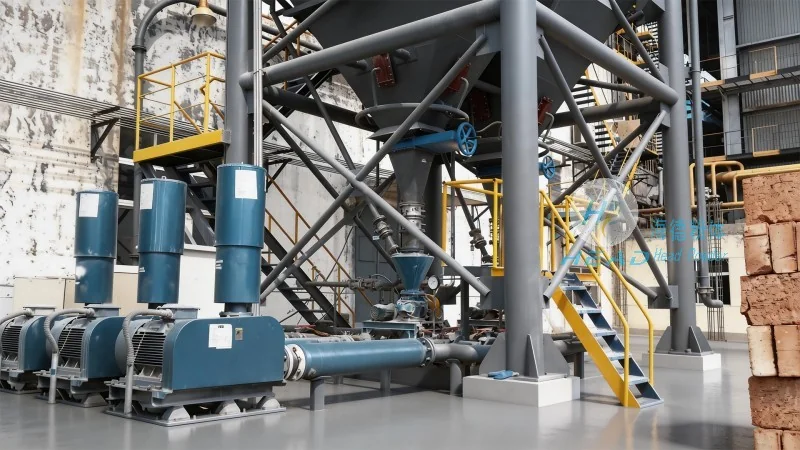
A complete dry coffee pneumatic conveying system comprises several interconnected modules, each engineered to meet the hygiene and mechanical demands of coffee processing. The rotary valve, often considered the heart of the system, meters the coffee into the air stream while maintaining pressure differential. For coffee applications, rotary valves with abrasion-resistant coatings and adjustable tip clearance (typically 0.1–0.3 mm) are recommended to prevent smearing of coffee oils. The air mover—either a positive displacement blower (for vacuum systems) or a centrifugal fan (for pressure systems)—must deliver consistent airflow with minimal pulsation. In 2026, energy-efficient models equipped with variable frequency drives (VFDs) have become standard, reducing power consumption by up to 35% compared to fixed-speed units. The pipeline material also matters: stainless steel (304 or 316L) with interior surface roughness below 0.8 µm Ra prevents coffee residue accumulation and facilitates cleaning. Bends must have a radius-to-diameter ratio of at least 6:1 to avoid particle impact and blockage. Additionally, a cyclone separator or baghouse filter at the discharge point ensures that fines are captured, and the coffee enters the downstream hopper or packaging line with minimal dusting. For systems handling ground coffee, an inline sifter or magnetic separator can be integrated to remove any metallic or oversized contaminants.
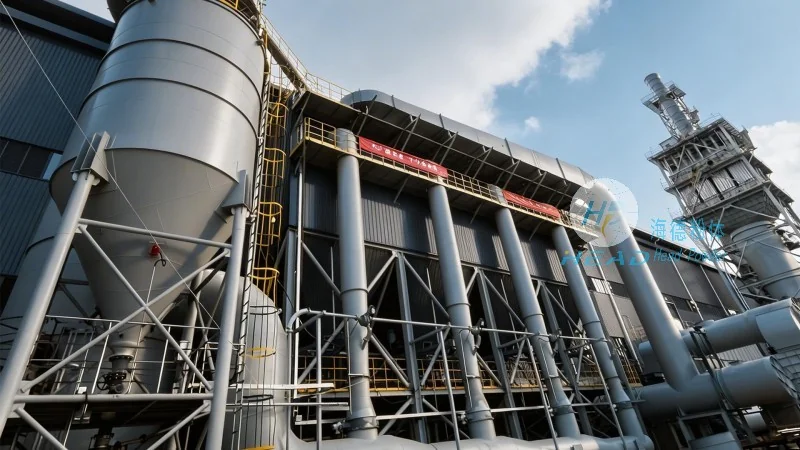
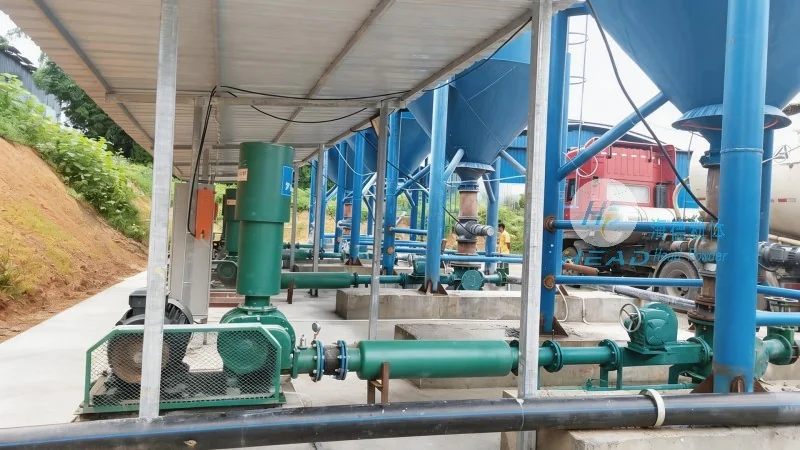
Precise control of conveying air velocity is paramount to balancing product quality and energy efficiency. For whole roasted coffee beans, the minimum conveying velocity in dilute phase is around 18 m/s, while ground coffee requires 22–28 m/s to avoid saltation (particle settling). Exceeding 35 m/s, however, significantly increases fines generation—studies from 2025 show that every 5 m/s increase above the optimal range can raise the fines fraction by 2–3%, directly affecting brew extraction yield and flavor consistency. Pressure drop calculations must account for horizontal and vertical pipe sections, number of bends, and material loading ratio. A typical coffee system operating at 0.5–1.2 bar (gauge) requires blower capacity between 50 and 300 m³/h per ton of material conveyed. Headpowder’s engineering team applies computational fluid dynamics (CFD) modeling during the design phase to simulate airflow patterns and predict wear points, ensuring that the actual installed system stays within ±5% of the theoretical pressure drop. This data-driven approach not only extends equipment life by 20–30% but also reduces unscheduled downtime—a critical advantage for coffee roasters operating around the clock during peak harvest seasons.
Dry coffee dust is classified as combustible and presents both explosion and respiratory hazards. Compliance with international standards such as NFPA 61 (agricultural dust) and ATEX Directive 2014/34/EU is non-negotiable. Modern pneumatic conveying systems integrate multiple layers of filtration: primary cyclones remove 95–98% of coarse particles, while secondary cartridge filters (MERV 15 or HEPA H13) capture sub-10 µm dust with an efficiency exceeding 99.97%. Explosion venting panels, suppression systems, and rotary valves with flame-proof enclosures are mandatory in zones classified as 20, 21, or 22. In 2026, the European Coffee Federation reported that 40% of dust-related incidents in coffee plants originated from poorly designed conveying system exhausts. Headpowder’s solutions incorporate a proprietary pulse-jet cleaning mechanism that maintains filter differential pressure below 250 Pa, extending filter life to over 8,000 hours even under high-humidity conditions common in coastal roasting facilities. The company also offers integrated aspirated air recirculation loops that reduce makeup air volume by 60%, lowering the load on HVAC systems and contributing to the facility’s overall sustainability goals.
The physical layout of a pneumatic conveying system significantly influences capital expenditure, maintenance complexity, and operational flexibility. In a centralized configuration, a single blower and filter station serve multiple material intake points, often conveying to a common destination. This approach is cost-effective for medium-scale facilities (up to 5 t/h) and simplifies dust collection management. However, decentralized systems—where each production line has its own dedicated conveying unit—offer superior product segregation and faster changeover times, which is critical for facilities handling multiple coffee origins or roast profiles. Based on 2025 industry surveys, 55% of specialty coffee roasters with annual output above 2,000 tons prefer decentralized vacuum-based systems because they allow gentle handling of each batch without cross-contamination. When designing the layout, engineers must also plan for future expansion: extra branch lines and spool pieces can be pre-installed to accommodate additional product streams without compromising airflow balance. Headpowder’s modular skid-mounted designs reduce installation time by 40% compared to traditional field-erected systems, a key differentiator for turnkey projects.
In the coffee industry, where residual oils and fine particles can support microbial growth, regular cleaning of conveying lines is mandatory. Traditional manual disassembly is labor-intensive and exposes workers to ergonomic risks. Clean-in-place (CIP) systems that flush lines with hot water (80–90°C) and mild detergent, followed by compressed air drying, are gaining adoption. However, coffee oils are hydrophobic and can form thin films that resist standard CIP. Specialized surfactant blends with a pH of 11–12, combined with turbulent air scouring (Reynolds number above 10,000 in the pipe), are recommended. Headpowder has developed a proprietary "Air-Flush" CIP sequence that reduces cleaning time by 50% and achieves a residual oil content below 0.05% by weight, validated by gas chromatography analysis. For systems handling decaffeinated or flavored coffee, dedicated pipelines and rotary valves with replaceable seals ensure zero flavor carryover. The company also provides real-time online monitoring of pressure drop and temperature during CIP to confirm line dryness before production resumes.
With global energy costs rising—projected to increase by 12–18% in industrial sectors by 2026—pneumatic conveying system operators are actively seeking ways to recover energy. One emerging technique is using the exhaust air from the filter system to preheat the roaster’s afterburner or to provide make-up air for the drying stage. Additionally, variable frequency drives on blowers can reduce energy consumption by 30–50% when the system operates at partial capacity, such as during cleaning or maintenance periods. Another trend is the use of low-friction ceramic-lined pipes, which cut pressure losses by 15–20% and reduce blower power requirements proportionally. According to a 2025 study by the Specialty Coffee Association, facilities that adopted energy-optimized pneumatic conveying systems achieved a 22% reduction in Scope 2 carbon emissions within the first year. Headpowder’s engineering consultancy offers free energy audits for existing systems, identifying potential savings that often pay back the retrofit cost in under 18 months.
A practical illustration of the benefits of a well-designed dry coffee pneumatic conveying system comes from a 2025 installation at a 4,000 m² roastery in the Pacific Northwest. The facility handles 12 tons of green coffee daily, producing both whole-bean retail packages and ground coffee for foodservice. Before the upgrade, the facility used manual bucket elevators and flexible screw conveyors, resulting in 3% bean breakage and frequent jams. Headpowder implemented a dense phase vacuum conveying system with a total pipeline length of 95 meters, including 14 bends and a 12-meter vertical lift. The system uses a 75 kW blower with VFD, a rotary valve with hardened tips, and a pulse-jet baghouse with HEPA filters. Post-installation data shows bean breakage reduced to 0.3%, energy consumption per ton conveyed dropped by 28%, and cleaning downtime fell from 4 hours per week to 1.5 hours. The roastery’s quality assurance team reported that cupping scores remained consistent across batches, confirming that the gentle handling preserved volatile aroma compounds. This case underscores how investing in a purpose-engineered pneumatic conveying solution directly improves both operational metrics and product quality.
When evaluating a dry coffee pneumatic conveying system equipment solution, decision-makers should prioritize several key parameters. Conveying capacity, pipe diameter (typically 80–200 mm for coffee), and material characteristics (particle size, shape, moisture, bulk density) influence the initial system sizing. Long-term total cost of ownership (TCO) includes not only capital equipment and installation but also spare parts consumables (filter cartridges, rotary valve seals, pipe elbows) and maintenance labor. Industry benchmarks indicate that a well-designed pneumatic system for coffee has a TCO of $0.15–$0.40 per ton conveyed, compared to $0.50–$0.80 for mechanical alternatives. Payback periods range from 18 to 36 months for most medium-scale installations. It is also wise to evaluate the supplier’s experience: companies with a dedicated coffee applications portfolio can offer faster commissioning and better adaptation to product variability. Headpowder, with over a decade of specialization in dry coffee conveying, maintains a database of more than 200 successful installations across 15 countries, enabling predictive maintenance recommendations based on historical wear patterns.
The next frontier for dry coffee pneumatic conveying is the integration of smart sensors and Industrial Internet of Things (IIoT) platforms. Real-time monitoring of air velocity, pressure drop, temperature, and vibration allows predictive detection of blockages, filter saturation, or bearing wear before they cause downtime. In 2026, leading coffee manufacturers are deploying machine learning algorithms that analyze trend data to optimize air-to-product ratios dynamically, further reducing energy use and particle degradation. Another innovation is the use of automated pipe-switching valves that enable product routing to multiple destinations without manual reconfiguration. Headpowder’s latest product line includes an optional IoT module that provides a cloud-based dashboard accessible via mobile devices, alerting operators to anomalies and generating automated maintenance requests. As coffee production becomes increasingly automated, the ability to integrate conveying systems with warehouse management and roasting scheduling platforms will become a competitive necessity.
Selecting the right dry coffee pneumatic conveying system equipment solution is not merely a procurement decision—it is a strategic investment in product quality, operational efficiency, and sustainability. From dilute phase to dense phase, from centralized to decentralized layouts, each configuration must be tailored to the specific requirements of the coffee variety, roast profile, and facility layout. The industry is moving toward lower velocity, higher hygiene, and smarter monitoring, driven by both regulatory pressures and market demand for consistency. As we look toward 2026, the convergence of energy optimization, dust safety compliance, and automation will define the leading solutions. Companies that partner with experienced engineering providers gain access to proven methodologies, custom design capabilities, and ongoing support that mitigate risks and maximize returns. For coffee processors seeking a reliable partner in this domain, Headpowder offers a complete range of services from system design to commissioning and after-sales service. Contact the team to discuss your specific project requirements and receive a tailored feasibility study. (咨询热线:156-6277-7102) With a track record of robust performance in demanding coffee environments, Headpowder remains committed to advancing the technology that keeps the world’s coffee flowing smoothly, safely, and sustainably.

 Shandong headpowder Engineering Co., Ltd.
 156-6277-7102(Manager Zhang)
  0531-83386006
  Jinan City, Shandong Province, China
服务热线
微信咨询
回到顶部