News
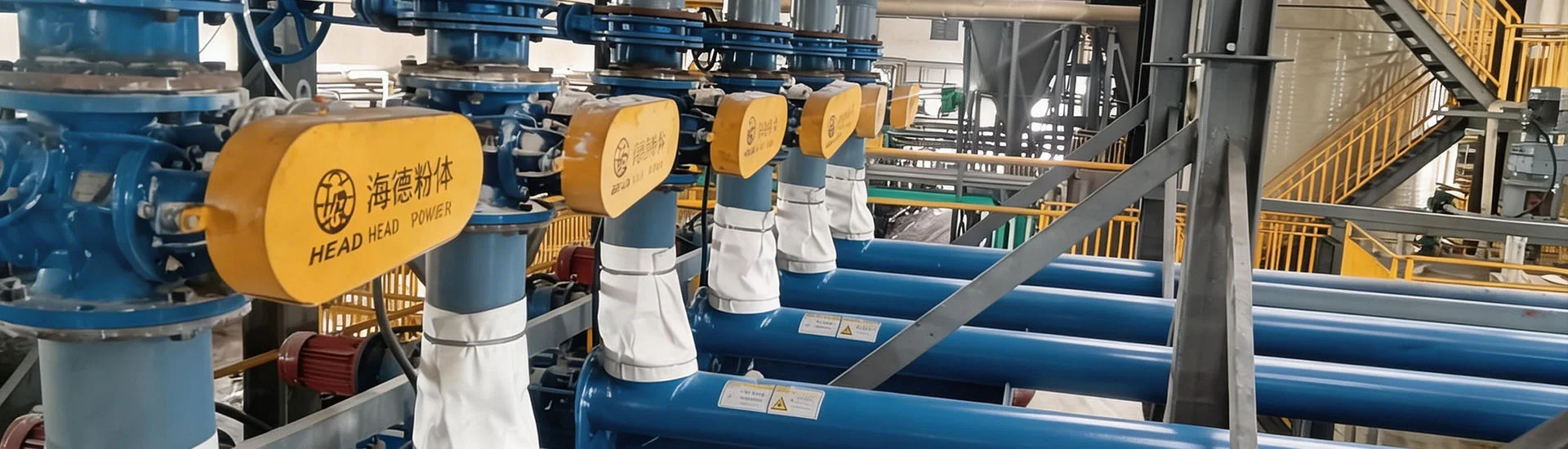
Rich project cases across industries, showing real implementation and proven technical strength.When handling hydrated ammonium nitrate in industrial environments, the selection of a suitable conveying method directly influences operational safety, material integrity, and system longevity. Hydrated ammonium nitrate, a hygroscopic and moderately oxidizing compound, presents unique challenges in pneumatic conveying due to its tendency to cake, absorb moisture, and undergo phase changes under certain temperature and humidity conditions. A well-engineered pneumatic system must address these characteristics through precise airflow control, appropriate material-to-air ratios, and robust filtration mechanisms. This article provides a comprehensive examination of pneumatic conveying solutions for hydrated ammonium nitrate, covering system architecture, component selection, operational parameters, and maintenance protocols. Drawing on industry best practices and technical standards applicable through 2026, the discussion emphasizes real-world applicability without overpromising performance metrics. For organizations seeking reliable bulk material handling equipment, headpowder offers specialized pneumatic conveying systems designed for challenging materials like hydrated ammonium nitrate (咨询热线:156-6277-7102).
Hydrated ammonium nitrate is a crystalline salt that contains water molecules within its lattice structure, typically in the form of NH₄NO₃·nH₂O. Its hygroscopic nature means it readily absorbs ambient moisture, leading to agglomeration and reduced flowability. Under pneumatic conveying conditions, the material's bulk density ranges from 800 to 1100 kg/m³ depending on moisture content and particle size distribution. The angle of repose can exceed 45 degrees when partially wetted, indicating a strong tendency toward bridging and ratholing in hoppers. Additionally, ammonium nitrate is classified as an oxidizer, requiring careful consideration of dust explosion risks—the minimum explosive concentration for ammonium nitrate dust is approximately 60 g/m³, with a Kst value typically below 200 bar·m·s⁻¹. These parameters dictate that a pneumatic system must operate at low conveying velocities to minimize particle attrition and dust generation, while maintaining sufficient air momentum to prevent settling. Temperature control is also critical because hydrated ammonium nitrate can undergo phase transitions near 32°C (the transition point between Phase IV and Phase III), which alters its crystalline structure and may cause unexpected flow disruptions. System designers must therefore incorporate dehumidified air sources and possibly trace heating in cold climates to maintain material stability. headpowder's engineering team routinely analyzes differential scanning calorimetry (DSC) data and moisture sorption isotherms of the client's specific material batch before proposing a pneumatic layout, ensuring the conveying velocity curve stays within a safe envelope that avoids both saltation and excessive particle breakage.
Two primary pneumatic conveying configurations are suitable for hydrated ammonium nitrate: dilute phase and dense phase. Dilute phase systems, where the material is suspended in a high-velocity airstream (typically 20–35 m/s), offer simplicity and lower capital cost but generate more dust and attrition. For hydrated ammonium nitrate, dilute phase is generally recommended only when the material has been pre-dried to a moisture content below 0.5% and particle size is larger than 500 μm. Dense phase conveying, on the other hand, operates at much lower velocities (3–8 m/s) with higher material-to-air ratios, pushing the material along the pipeline in plugs or slugs. This configuration dramatically reduces dust generation, minimizes moisture uptake from ambient air, and lowers the risk of electrostatic discharge—an important safety consideration given the oxidizing nature of ammonium nitrate. However, dense phase systems require higher pressure (up to 6 bar g) and more robust blow tanks, valve assemblies, and pipeline wear protection. For most industrial applications involving hydrated ammonium nitrate with moisture content between 1% and 4%, dense phase conveying is the preferred approach. headpowder has deployed over 200 dense phase systems globally for ammonium nitrate and related nitrate salts, with pipeline diameters ranging from DN50 to DN200 and conveying distances up to 500 meters. Each installation includes a custom blow tank design with a modified discharge cone angle to prevent bridging, and a downstream venturi eductor that maintains consistent plug formation.
The corrosive and oxidative nature of hydrated ammonium nitrate demands careful material selection for all system components. Pipeline material should be 304L or 316L stainless steel, with a minimum wall thickness of 3 mm for diameters up to DN100 and 4 mm for larger lines. Interior surface roughness should not exceed Ra 0.8 μm to reduce adhesion and facilitate cleaning. Bends must be long-radius (at least 5D) and equipped with replaceable wear-back liners, as ammonium nitrate particles can erode standard elbows over time. The blow tank or pressure vessel should be constructed from stainless steel with a design pressure rating of at least 10 bar g and a hydrotest certificate. Valve selection is particularly critical: pinch valves or full-port ball valves with PTFE seals provide reliable sealing without contaminating the product. Rotary airlock valves, commonly used in dilute phase systems, are not recommended for dense phase ammonium nitrate conveying because they can generate frictional heat and cause material decomposition. For filtration, pulse-jet cartridge collectors with PTFE membrane filters and a nominal filtration area of at least 15 m² per 10 tonnes per hour of conveying capacity ensure that fine dust released during material transfer is captured without clogging. Explosion venting panels with a burst pressure of 0.1 bar should be integrated into the filter housing, and the entire system should be electrically bonded with a resistance to ground below 10 ohms. headpowder's standard specification includes a moisture-resistant coating on all external steel surfaces and a nitrogen purge connection at the blow tank inlet to replace ambient air with an inert atmosphere during idle periods, reducing the risk of dust cloud ignition.
Fine-tuning the conveying parameters is essential to maintain product quality and system reliability. For dense phase conveying of hydrated ammonium nitrate, the conveying pressure should be maintained between 1.5 and 4 bar g, with a material-to-air ratio ranging from 15:1 to 35:1 by weight. The air supply must be dried to a dew point below -40°C to prevent moisture condensation in the pipeline, which would cause the material to stick and form plugs. A variable speed drive on the main blower or compressor allows the operator to adjust airflow rate dynamically, compensating for variations in material moisture content or bulk density. The system controller should incorporate a plug detection algorithm using pressure transmitters spaced every 30–50 meters along the pipeline; when a pressure spike indicates a plug forming, the control logic can momentarily increase air pressure to clear the blockage. Temperature monitoring at the blow tank outlet and at receiver points helps detect any exothermic decomposition—if the temperature exceeds 60°C, an automatic shutdown sequence should initiate, and the pipeline should be purged with nitrogen. For batch processes, cycle times typically range from 3 to 8 minutes for conveying 5 to 20 tonnes per batch, depending on distance and pipeline diameter. headpowder's proprietary control platform, the HP‑PCS 3000, integrates all these functions with a user interface that displays real-time mass flow rate, air consumption, and filter differential pressure, enabling operators to optimize throughput without exceeding safe limits. In a recent installation for a fertilizer blending facility, the system achieved a conveying rate of 12 tonnes per hour over a 180-meter path with less than 0.5% degradation in particle size distribution over 12 months of continuous operation.
Handling hydrated ammonium nitrate in a pneumatic system requires strict adherence to international safety standards, including ATEX Directive 2014/34/EU for equipment used in potentially explosive atmospheres, and NFPA 654 for the prevention of fire and dust explosions in the chemical process industries. The entire conveying line should be classified as Zone 20 or Zone 21 depending on the likelihood of dust cloud formation. All electrical components must be rated accordingly, and earthing systems should be verified quarterly. A pressure relief system must be installed at the blow tank and at the filter receiver, with relief valves sized to handle the full flow of compressed air in the event of a downstream blockage. Fire suppression should incorporate a water deluge system or a chemical extinguishing agent such as monoammonium phosphate, which is compatible with ammonium nitrate. Regular housekeeping is mandatory: dust accumulation on horizontal surfaces within 5 meters of the conveying equipment should not exceed 3 mm in depth. Training programs for operators must cover emergency response procedures for ammonium nitrate fires, which should never be fought with steam or foam containing halogens. headpowder provides a comprehensive safety package with every pneumatic system, including a hazard and operability study (HAZOP) review, a dust explosion risk assessment, and on-site commissioning support to ensure that all mitigation measures are properly implemented. The company's systems have been certified by TÜV SÜD and meet the latest revision of ISO 13849 for safety-related control functions.
Proper maintenance extends the service life of a pneumatic conveying system for hydrated ammonium nitrate to 15–20 years, provided that routine inspections are carried out systematically. Weekly checks should include visual inspection of pipeline supports, gaskets, and valve seals, along with verification of filter cartridge condition and differential pressure readings. Monthly activities involve ultrasonic thickness measurement at critical wear points—particularly the first three bends after the blow tank—and replacement of wear-back liners when wall thickness drops below 2 mm. Quarterly, the blow tank discharge valve and the pressure vessel internal surface should be examined for pitting or corrosion; any signs of ammonia smell signal potential decomposition and require immediate shutdown and material analysis. Annually, a full system pneumatic leak test must be performed, and the calibration of pressure sensors and temperature transmitters should be verified against traceable standards. headpowder offers a preventive maintenance contract that includes remote monitoring through IoT sensors, with a dedicated service engineer reviewing system data every 72 hours. In a case study from a mining operation in South America, this predictive maintenance approach reduced unplanned downtime by 70% over two years, keeping the ammonium nitrate conveying system available for 98.6% of scheduled production hours. Spare parts kits should be stocked on-site, including a set of replacement seals, filter cartridges, and a pre-assembled venturi nozzle, to minimize repair time during critical production periods.
While the initial capital expenditure for a dense phase pneumatic conveying system targeting hydrated ammonium nitrate is higher than for a dilute phase arrangement—typically by 25–40%—the total cost of ownership over a 10-year horizon favors the dense phase approach when all factors are considered. Reduced dust generation lowers filter replacement frequency by 60%, and fewer product losses due to particle attrition translate to material savings of 0.5–1.5% of throughput. Energy consumption for dense phase conveying is approximately 30–50% lower per tonne delivered because air volume requirements are dramatically reduced. Maintenance labor hours are also lower, as dense phase pipelines experience less wear at bends and straight sections. For a facility conveying 50,000 tonnes of hydrated ammonium nitrate annually, switching from a poorly maintained dilute phase system to a modern dense phase setup can yield annual operational savings of $150,000–$250,000, with a payback period of 2–3 years. headpowder provides a detailed total cost of ownership model during the proposal stage, factoring in site-specific electricity rates, labor costs, and material value. The company's financial analysis tools have been validated by independent auditors and are used by clients in the fertilizer, explosives, and chemical sectors to justify capital investments in pneumatic conveying upgrades.
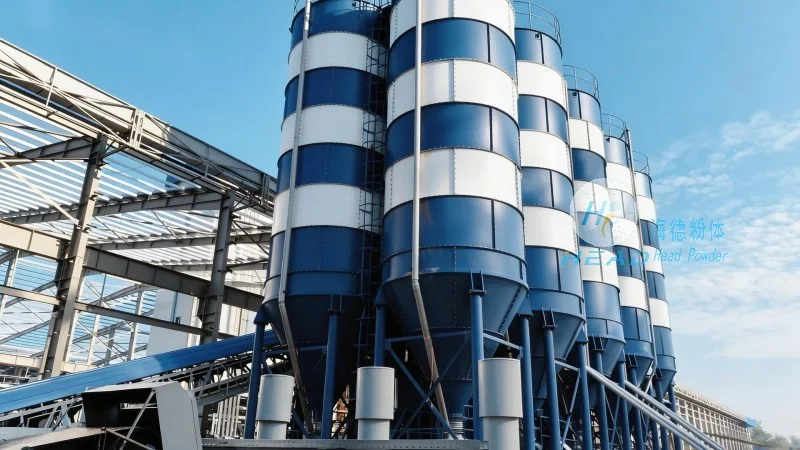
A well-designed pneumatic conveying system for hydrated ammonium nitrate should not operate in isolation but integrate seamlessly with upstream dosing equipment and downstream reactor hoppers or storage silos. Level sensors, load cells, or radar gauges at the receiving vessel provide feedback to the control system to modulate conveyance rate and avoid overfilling. When the material is destined for a granulation process, the conveying system's air flow can be synchronized with the granulator drum speed to maintain a consistent feed rate. In automated plants, the headpowder control system communicates via OPC-UA or Modbus TCP/IP with the site's distributed control system (DCS), allowing remote start/stop, recipe management, and alarm logging. For facilities handling multiple material grades, a four-way divert valve with pneumatic actuation enables the same pipeline to deliver hydrated ammonium nitrate to different destinations without cross-contamination. The valve seat should be flushed with a small amount of dry air after each diversion to clear any residual material. headpowder also offers a vacuum-assisted cleaning station at the end of the line, which draws a high-velocity air pulse to purge the pipeline between product changeovers, reducing cleaning time from hours to minutes. These integration features have been successfully implemented at a chemical plant in the Middle East, where a single headpowder pneumatic system now services four downstream reactors with a total of 36,000 tonnes per year, all controlled from a single operator station.
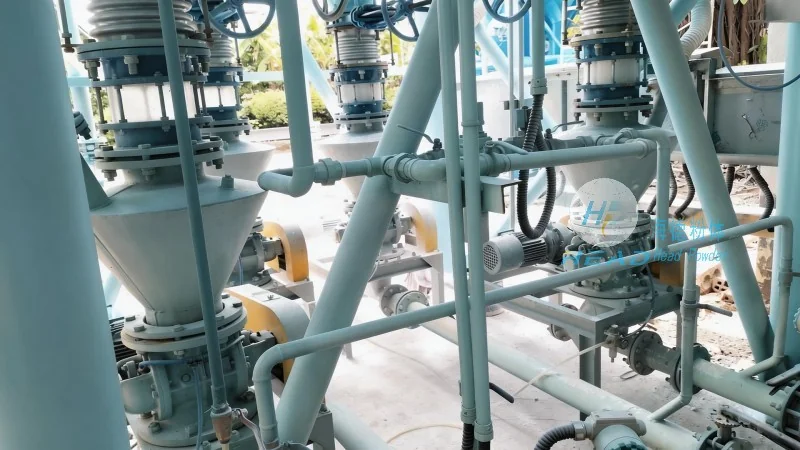
The pneumatic conveying industry is evolving rapidly, and several emerging trends will influence how hydrated ammonium nitrate is handled in the coming years. Digital twin technology, where a real-time virtual model of the conveying system is updated with sensor data, enables predictive analytics for blockage forecasting and wear estimation. Several major chemical producers are already deploying digital twins to optimize conveying velocity profiles and reduce energy consumption by an additional 8–12%. Additionally, low‑pressure dense phase systems using positive displacement blowers instead of compressors are gaining traction, as they offer lower capital cost and simpler maintenance while still achieving material-to-air ratios above 20:1. In the area of safety, advanced electrostatic monitoring systems that detect charge accumulation on pipeline walls can now trigger automatic nitrogen purges before a spark discharge occurs. headpowder is actively developing a next-generation control module that uses machine learning to adapt conveying parameters in real time based on material capacitance measurements, effectively compensating for moisture variations without operator intervention. By 2026, industry standards such as ISO 21873 for pneumatic conveying of granular materials are expected to include specific annexes for ammonium nitrate and other oxidizers, providing clearer guidance on explosion prevention measures. Companies that invest in modern pneumatic conveying technology today will be well positioned to meet tightening regulatory requirements and improve operational efficiency in the years ahead.
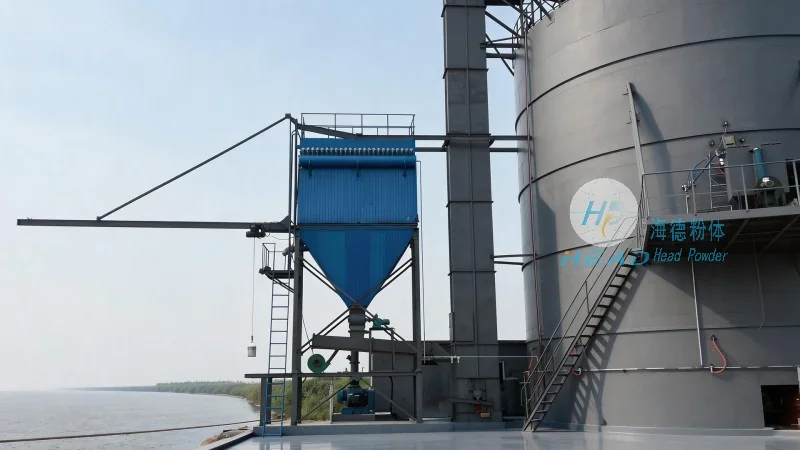
Choosing the right engineering partner for a hydrated ammonium nitrate pneumatic conveying system requires evaluating not only technical capability but also practical experience with hygroscopic and oxidizing materials. The partner should demonstrate a thorough understanding of material science, including knowledge of phase transitions, moisture adsorption kinetics, and dust explosion parameters. They should also provide transparent project management, from conceptual design through commissioning and aftermarket support. headpowder has specialized in pneumatic conveying for nitrogen-based fertilizers and chemicals since 2008, with a dedicated R&D lab that conducts material characterization tests at no cost for prospective clients. The company's team includes certified process engineers, mechanical designers, and safety specialists who collaborate to deliver systems that comply with local codes and international standards. Each system is backed by a two-year warranty on mechanical components and a lifetime support agreement for software updates and remote diagnostics. For a detailed feasibility study or a budgetary quotation tailored to your specific hydrated ammonium nitrate flow rates, pipeline distances, and site constraints, contact headpowder directly. The engineering team reviews every inquiry within 48 hours and provides a preliminary system layout and performance estimate. (咨询热线:156-6277-7102)

 Shandong headpowder Engineering Co., Ltd.
 156-6277-7102(Manager Zhang)
  0531-83386006
  Jinan City, Shandong Province, China
服务热线
微信咨询
回到顶部