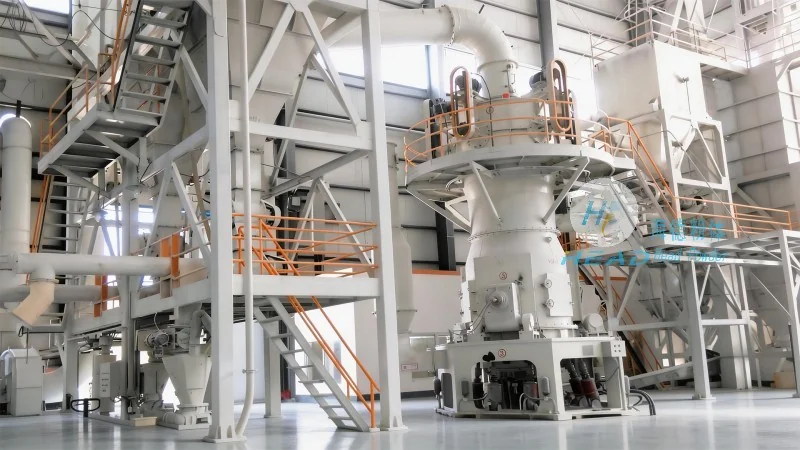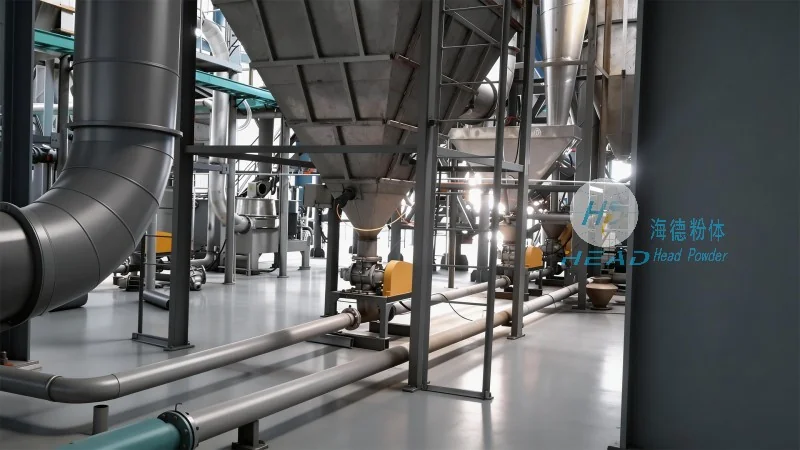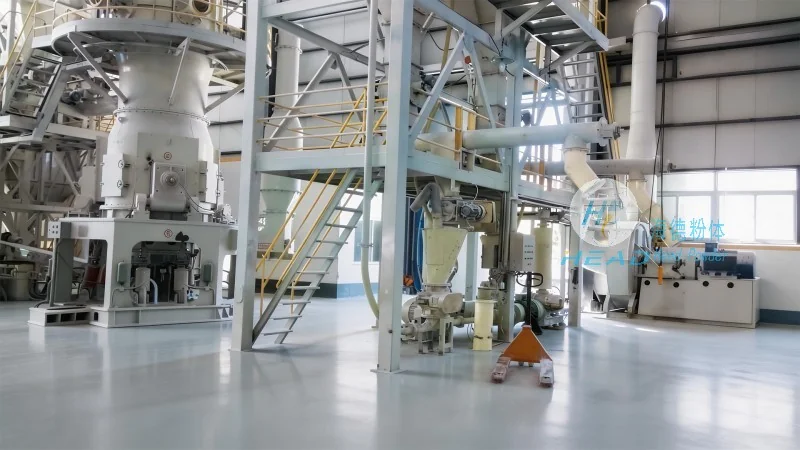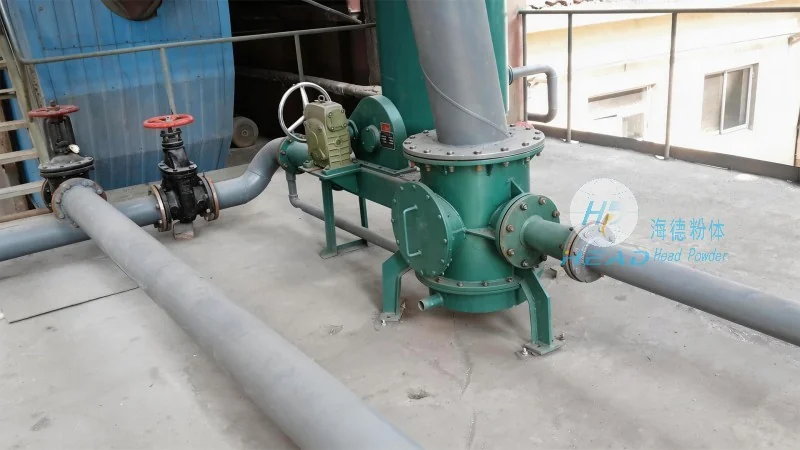

With over a decade of experience in the pneumatic conveying industry, our company specializes in a full range of pneumatic conveying system equipment.
您的当前位置:首页 >> News >> Technical FAQ

News

Rich project cases across industries, showing real implementation and proven technical strength.

Iron Bauxite Conveying: Pneumatic System Guide

2026-07-08
```html

Understanding the Fundamentals of Iron Bauxite Pneumatic Conveying

Iron bauxite, a critical raw material for aluminum production and various industrial applications, presents unique challenges in material handling due to its abrasive nature, high density, and variable moisture content. Traditional mechanical conveying systems often fall short when dealing with such demanding materials, leading to excessive wear, high maintenance costs, and operational inefficiencies. Pneumatic conveying systems have emerged as a robust solution, offering enclosed transport, reduced dust emissions, and flexible routing capabilities. This guide provides a comprehensive examination of pneumatic system design, component selection, and operational best practices specifically tailored for iron bauxite. By understanding the physical and chemical properties of bauxite — including particle size distribution, bulk density, and angle of repose — engineers can optimize system parameters to achieve consistent, reliable material flow. The choice between dilute phase and dense phase conveying depends on throughput requirements, distance, and the material's susceptibility to degradation. For high-tonnage operations common in alumina refineries, dense phase systems operating at low velocities minimize pipe wear and energy consumption. Conversely, dilute phase systems may suit shorter distances or lower capacities. Proper air filtration, moisture control, and pressure management are essential to prevent blockages and ensure continuous operation. This article delves into these technical aspects, drawing on industry standards and real-world installations to provide actionable insights for plant managers, process engineers, and procurement specialists.

Key Design Parameters for Iron Bauxite Pneumatic Systems

Designing a pneumatic conveying system for iron bauxite requires meticulous attention to several interrelated parameters that directly influence performance, longevity, and total cost of ownership. The first consideration is the material's particle size distribution, as bauxite commonly contains fines below 50 microns alongside larger particles up to several millimeters. A broad particle distribution can cause segregation in the conveying line, leading to pressure fluctuations and potential blockages. To mitigate this, headpowder recommends using a staged air injection approach combined with properly sized blow tanks or rotary valves. The conveying velocity is another critical factor: while typical dilute phase systems operate at 20-30 m/s, iron bauxite's abrasiveness demands lower velocities in the range of 8-15 m/s for dense phase operation. This not only reduces pipe erosion but also lowers energy consumption by up to 40% compared to conventional designs. The solids-to-air ratio, measured in kg of material per kg of air, should be optimized based on actual density measurements. For iron bauxite with a bulk density of 1.8-2.2 t/m³, ratios of 30:1 to 60:1 are achievable in dense phase mode. Pipeline material selection is equally important: schedules 40 or 80 carbon steel with a hardness of at least 200 HBW is standard, though bends and wear-prone sections may benefit from ceramic-lined elbows or hardened steel. System pressure drop calculations must account for horizontal and vertical sections, as well as the pressure loss through filters and silencers. Using computational fluid dynamics (CFD) modeling during the design phase can predict flow behavior and identify problematic zones before installation, saving significant capital and operational expenses. Headpowder's engineering team routinely conducts such analyses to deliver systems that maintain consistent throughput even with variable material properties.

Component Selection and System Architecture

Selecting the right components for an iron bauxite pneumatic conveying system is a balance between durability, efficiency, and maintainability. The feeding device is the heart of the system: for high-pressure dense phase applications, pressure vessels (blow tanks) with top or bottom discharge are preferred over rotary airlocks, as they handle larger particles and higher pressures without air leakage. The blow tank should be equipped with a fluidizing cone or air diffuser to ensure uniform material discharge. The conveying pipeline itself requires careful routing — minimizing sharp bends and using long-radius elbows (R/D ratio of 10:1 or greater) reduces wear. Straight sections should be joined with flanged connections rather than welded joints to facilitate inspection and replacement. The air source is typically a positive displacement blower or screw compressor, sized to deliver the required airflow at 2-6 bar (gauge) for dense phase systems. An after-cooler and moisture separator are necessary to condition compressed air, preventing condensation that could cause bauxite to agglomerate. At the receiving end, a cyclone separator followed by a baghouse filter captures pneumatically conveyed material while venting clean air. The filter housing must be designed for the fine bauxite dust fractions, with pulse-jet cleaning triggered by differential pressure sensors. Control systems range from basic PLC-based sequencing to advanced SCADA integration with remote monitoring capabilities. Headpowder’s standard design includes redundant pressure transmitters and flow meters to provide real-time data for predictive maintenance. One notable installation involved a client in Malaysia processing 150 tons per hour of iron bauxite over a 500-meter distance with a 30-meter elevation gain. By using a dual blow tank arrangement and gradually increasing pipeline diameter from 150 mm to 200 mm, the system achieved a power consumption of just 8.5 kWh per ton, well below industry average.

Operational Best Practices and Maintenance Strategies

Optimal performance of an iron bauxite pneumatic conveying system depends not only on design but also on disciplined operation and routine maintenance. Start-up procedures should include a line purge to remove any residual moisture or debris, followed by gradual material feeding to stabilize pressure. Operators must monitor key parameters such as differential pressure across the filter, blow tank pressure cycle times, and air compressor discharge temperature. A common issue in bauxite handling is "ratholing" in the blow tank due to cohesive material behavior. This can be countered by adjusting fluidization air pressure or installing mechanical agitators. Regular inspection of pipeline thickness using ultrasonic testing every six months is recommended, particularly at bends where wear is most severe. Replacing elbows before they reach 50% wall loss prevents catastrophic failures. The filter bags should be replaced or cleaned when differential pressure exceeds manufacturer specifications, typically 15-20 mbar. Lubrication schedules for blowers and compressors must be strictly followed, and all seals checked for leaks. Moisture management is critical: even small amounts of water can cause bauxite to form hard deposits that block lines. Installing a dew point monitor on the compressed air line ensures that moisture content stays below -40°C pressure dew point. Headpowder offers a comprehensive maintenance support program that includes on-site training, remote diagnostics, and spare parts kits for critical components. One customer in India reported a 22% increase in system availability after implementing headpowder’s recommended preventive maintenance calendar, which included bi-monthly valve inspections and quarterly pipeline borescope checks. For any system malfunction, the control log provides traceability to pinpoint root causes, enabling quick corrective actions.

Market Trends and Future Developments in Bauxite Conveying

Iron Bauxite Conveying: Pneumatic System Guide

The global bauxite and alumina industry continues to expand, with production expected to exceed 400 million metric tons by 2026, driven by demand from aluminum-intensive sectors such as automotive lightweighting and renewable energy infrastructure. This growth places increasing pressure on material handling systems to deliver higher capacities with lower environmental impact. Pneumatic conveying technology is evolving in response, with innovations in wear-resistant materials, energy recovery systems, and adaptive control algorithms. For instance, the use of polymeric pipe liners that combine abrasion resistance with reduced friction is gaining traction. Additionally, variable-frequency drives (VFDs) on blower motors allow real-time speed adjustment to match material flow, reducing energy waste by up to 30%. Industry standards such as ISO 24426:2025 for pneumatic conveying of abrasive materials now provide more specific guidance on pipe thickness calculations and safety factors. The integration of Industry 4.0 technologies — including IoT sensors for predictive maintenance and digital twins for simulation — is becoming standard practice for greenfield projects. Headpowder has been at the forefront of these developments, having recently commissioned a system in West Africa that uses an AI-based control module to automatically adjust conveying parameters based on real-time moisture sensor feedback. This system achieved a 15% reduction in compressed air consumption while maintaining throughput targets. Clients evaluating new installations should also consider modular system designs that allow phased capacity increases without major retrofitting. The economic viability of pneumatic conveying versus mechanical alternatives improves significantly when factoring in reduced dust collection costs, lower building structure requirements, and minimized material loss. As sustainability regulations tighten, the enclosed nature of pneumatic systems aligns with emission control mandates, making them the preferred choice for modern bauxite processing facilities.

Case Study: Optimizing a High-Capacity Iron Bauxite Conveying Line

Iron Bauxite Conveying: Pneumatic System Guide

A detailed case study from headpowder’s project portfolio illustrates the tangible benefits of a well-engineered pneumatic system. A major alumina refiner in Indonesia faced recurring conveyor belt failures and dust suppression issues with their existing mechanical overland conveyor, which transported iron bauxite from a stockpile to the grinding mill at 200 tons per hour. After evaluating multiple alternatives, they selected a headpowder dense phase pneumatic system designed to operate at 180 tons per hour over a 350-meter horizontal distance with a 25-meter vertical lift. The system employed a dual blow tank configuration with 5-inch Schedule 80 carbon steel pipe and ceramic-lined elbows at wear-prone points. A 400 kW screw compressor with VFD and a 250 m³ baghouse filter completed the setup. Installation was completed in 14 weeks, and the system achieved a solids-to-air ratio of 45:1, with a specific energy consumption of 9.2 kWh per ton during the first year of operation. The enclosed design eliminated all fugitive dust emissions, improving workplace air quality and compliance with local environmental regulations. Maintenance costs dropped by over 60% compared to the previous conveyor system, primarily due to reduced part replacement and downtime. The client also reported a 5% reduction in bauxite breakage, which improved downstream grinding efficiency. This project demonstrates how pneumatic conveying can deliver both operational and environmental advantages when engineered with precision. For companies considering a similar upgrade, headpowder offers free feasibility assessments that include on-site material testing, pipeline wear analysis, and preliminary cost-benefit projections. These assessments help clients make data-driven decisions tailored to their specific operational context. To discuss your iron bauxite conveying requirements, contact headpowder (咨询热线:156-6277-7102) for a consultation with our application engineers.

Conclusion: Building a Reliable Pneumatic Conveying Strategy for Iron Bauxite

Iron Bauxite Conveying: Pneumatic System Guide

Implementing a successful pneumatic conveying system for iron bauxite requires a holistic approach that combines accurate material characterization, thoughtful component selection, robust control architecture, and disciplined maintenance practices. As this guide has shown, the advantages of pneumatic systems — including dust-free operation, flexible routing, reduced manual handling, and lower long-term maintenance costs — make them an increasingly attractive option for the alumina and aluminum industries. The key is to align system design with the specific challenges posed by bauxite: abrasion, moisture sensitivity, and variable flow properties. By leveraging advanced modeling tools, selecting the appropriate dense or dilute phase methodology, and incorporating wear-resistant materials, operators can achieve throughputs that rival or exceed traditional mechanical systems while achieving superior reliability. The evolving market landscape, with its emphasis on energy efficiency and environmental stewardship, further reinforces the value of pneumatic conveying. Companies like headpowder bring decades of application experience and a commitment to innovation, offering tailored solutions that extend equipment life and optimize total cost of ownership. Whether you are modernizing an existing facility or planning a new greenfield project, investing in a professionally engineered pneumatic system is a strategic decision that pays dividends through improved operational performance, reduced downtime, and enhanced safety. The data and case studies presented here provide a factual basis for evaluating such investments. For specific guidance on sizing, budgeting, or technology selection, industry professionals are encouraged to reach out for detailed technical discussions. Headpowder’s team remains available to support your project from concept through commissioning and beyond, ensuring that your iron bauxite conveying system delivers on its promises. (咨询热线:156-6277-7102)

```

相关推荐

Shandong headpowder Engineering Co., Ltd. All rights reserved.

回到顶部