

How to Choose the Right Pneumatic Conveying System for Your Polyethylene Handling Process?
For industrial facilities dealing with polyethylene, selecting the appropriate pneumatic conveying system is crucial for maintaining efficiency, safety, and product integrity. The right system can significantly reduce downtime, minimize material loss, and ensure consistent processing. However, with various options available, determining the optimal solution requires careful consideration of several key factors. This guide, presented by Shandong HeadPowder Engineering Co., Ltd., a leading provider of material handling solutions, outlines the essential steps to help you select the most suitable pneumatic conveying system for your polyethylene handling process.
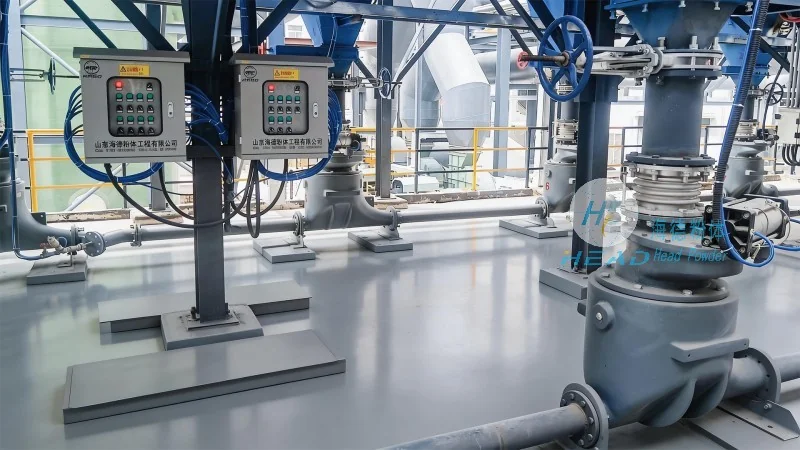
Understanding the Challenges of Polyethylene Handling
Polyethylene, a widely used thermoplastic, poses unique challenges during material handling due to its properties such as low bulk density, tendency to agglomerate, and sensitivity to moisture or contamination. Traditional methods like bucket elevators or belt conveyors may not be suitable for polyethylene due to its dusty nature and potential for static buildup. Pneumatic conveying systems offer a more efficient and safer alternative by transporting polyethylene in a closed environment, preventing dust emissions and minimizing product degradation.
Types of Pneumatic Conveying Systems for Polyethylene
There are primarily two types of pneumatic conveying systems commonly used for polyethylene: positive pressure and negative pressure systems. Each has distinct advantages and is suitable for different applications.
Positive pressure systems use a blower or compressor to generate air pressure that pushes the material through the system. These systems are ideal for long-distance or high-capacity applications and are generally more reliable for abrasive or sticky materials like polyethylene. Shandong HeadPowder Engineering Co., Ltd. specializes in designing positive pressure systems that can handle the specific demands of polyethylene, ensuring consistent flow and minimal wear on components.
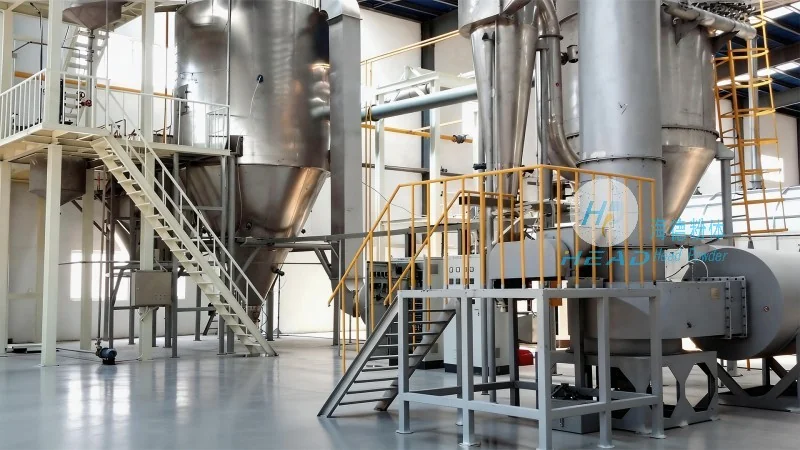
Negative pressure systems, on the other hand, use a vacuum to draw material into the system. They are often preferred for shorter distances or when the material is to be transported from a higher elevation to a lower one. While effective for certain applications, negative pressure systems may require more maintenance and are less suitable for polyethylene due to the risk of dust inhalation and material degradation.
Key Factors to Consider When Choosing a System
When selecting a pneumatic conveying system for polyethylene, several factors must be evaluated to ensure the best fit for your operation. These include:
1. Material Characteristics: The physical properties of polyethylene, such as particle size, moisture content, and bulk density, directly impact the system's design. For example, fine powders may require a more gentle conveying method to prevent clogging, while larger pellets might benefit from a higher velocity system.
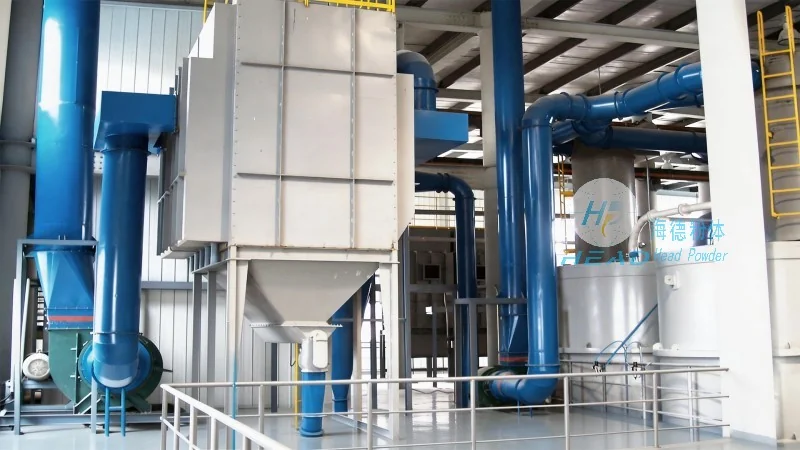
2. System Capacity and Distance: The required throughput and the distance between the source and destination points determine the system's capacity and the type of equipment needed. For high-capacity applications over long distances, a positive pressure system with a large blower is typically more efficient.
3. Environmental and Safety Requirements: Polyethylene is a dusty material, and the system must comply with local regulations regarding dust control and occupational safety. Positive pressure systems are generally preferred as they prevent dust from escaping into the environment, reducing health risks and maintaining a clean workplace.
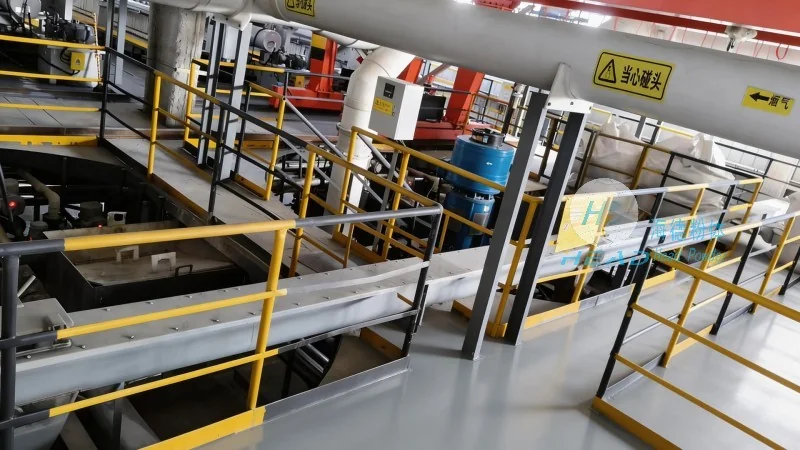
4. Maintenance and Operational Costs: The long-term cost of ownership, including maintenance, energy consumption, and spare parts, should be considered. A well-designed system from Shandong HeadPowder Engineering Co., Ltd. aims to minimize downtime and reduce operational expenses by using durable components and efficient air management.
How Shandong HeadPowder Engineering Co., Ltd. Can Help
As a trusted provider of material handling solutions, Shandong HeadPowder Engineering Co., Ltd. offers customized pneumatic conveying systems tailored to the specific needs of polyethylene handling. Our team of engineers works closely with clients to assess their operational requirements, material characteristics, and budget constraints to design a system that maximizes efficiency and reliability.
We specialize in positive pressure systems, which are particularly effective for polyethylene due to their ability to handle dusty materials and maintain a closed environment. Our systems are equipped with advanced controls and monitoring features to ensure smooth operation and early detection of any issues. Additionally, our commitment to quality and customer service ensures that clients receive not only a high-performance system but also comprehensive support throughout the entire process, from installation to ongoing maintenance.