

How to Choose the Right Pneumatic Conveying System for Your Expanded Clay Aggregate Handling Process?
When it comes to transporting expanded clay aggregate, selecting the right pneumatic conveying system is crucial for efficiency, reliability, and cost-effectiveness. The choice of system depends on various factors including the material characteristics, distance of transport, and the specific requirements of your processing operation. In this guide, we will explore the key considerations and options available to help you make an informed decision.
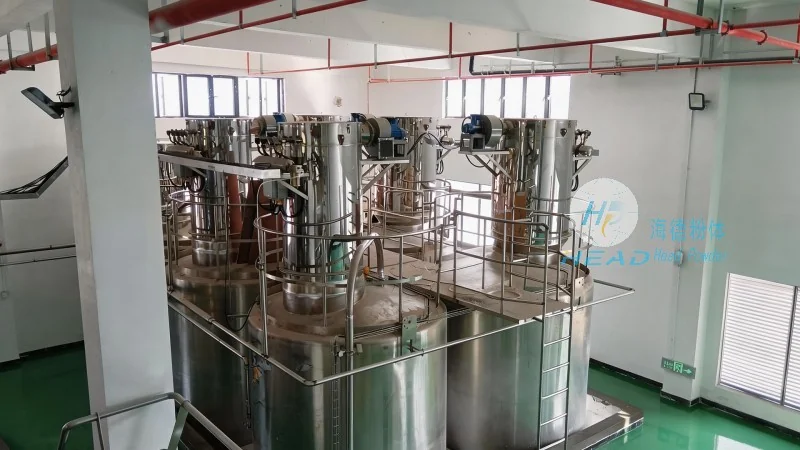
Understanding the Role of Pneumatic Conveying in Expanded Clay Aggregate Handling
Expanded clay aggregate, also known as lightweight aggregate, is widely used in construction and industrial applications due to its lightweight properties and thermal insulation capabilities. Handling this material efficiently requires specialized equipment that can manage its unique characteristics, such as low bulk density and potential dust generation. Pneumatic conveying systems offer a solution by using air to transport the material through a pipeline network, eliminating the need for mechanical components like belts or buckets.
Key Factors to Consider When Selecting a Pneumatic Conveying System
Several critical factors must be evaluated when choosing a pneumatic conveying system for expanded clay aggregate. The first consideration is the material's physical properties, including particle size, moisture content, and flowability. Expanded clay aggregate typically consists of small, irregularly shaped particles, which can affect the system's design. Additionally, the distance and layout of the transport route are important, as different systems are better suited for short or long-distance applications. The capacity required for your operation is another key factor, as it determines the system's throughput and energy consumption. Finally, the environmental and safety requirements of your facility should be considered, as some systems may generate more dust or require additional filtration.
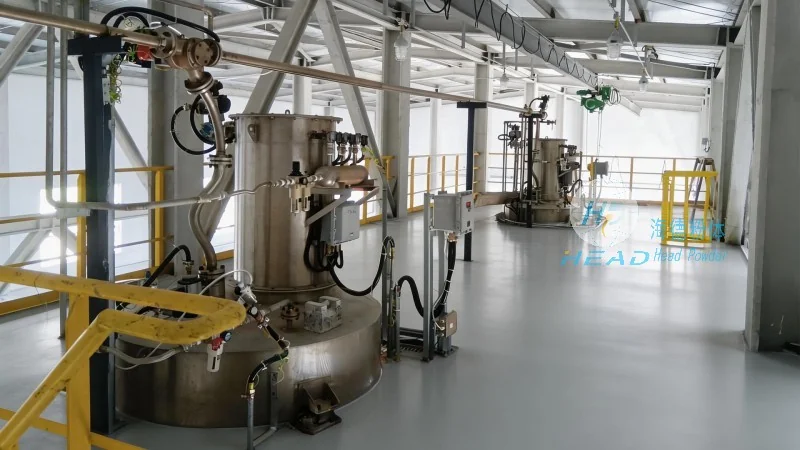
Types of Pneumatic Conveying Systems for Expanded Clay Aggregate
There are primarily two types of pneumatic conveying systems used for expanded clay aggregate: positive pressure and negative pressure systems. Positive pressure systems, also known as pressure conveying, use a blower or compressor to force air and material through the pipeline. This method is suitable for long-distance transport and can handle abrasive materials effectively. Negative pressure systems, or vacuum conveying, use a vacuum pump to draw material into the system. This approach is often used for shorter distances and is generally more energy-efficient for small-scale operations. The choice between these systems depends on the specific needs of your application, including the distance, material characteristics, and available space.
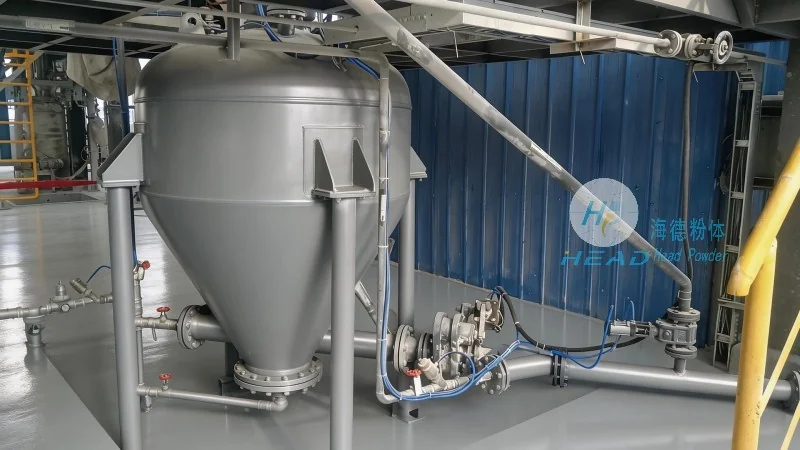
Components of a Typical Pneumatic Conveying System for Expanded Clay Aggregate
A standard pneumatic conveying system for expanded clay aggregate includes several key components. The system typically starts with a hopper or feeder that stores and feeds the material into the pipeline. A blower or vacuum pump provides the necessary air pressure or vacuum to move the material. The pipeline network transports the material from the source to the destination, which may include elbows, tees, and other fittings to direct the flow. A receiver or silo at the end of the line collects the material and may include a dust collection system to control emissions. Additionally, the system may include control valves and sensors to monitor and regulate the flow, ensuring consistent performance.
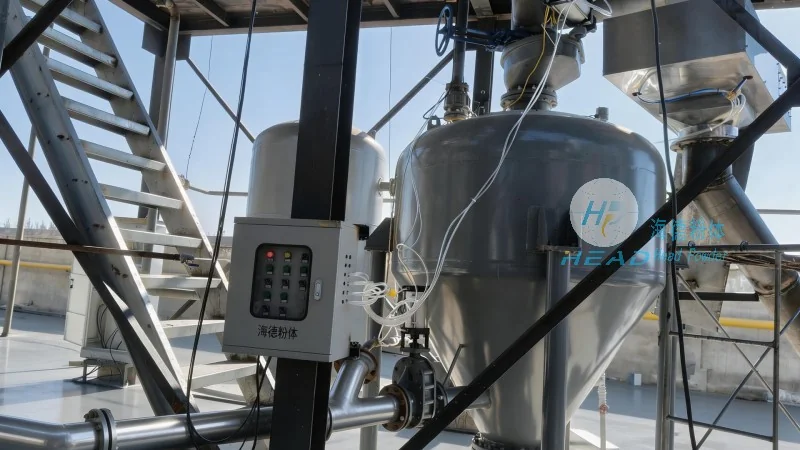
Benefits of Using a Pneumatic Conveying System for Expanded Clay Aggregate Handling
Implementing a pneumatic conveying system for expanded clay aggregate offers several advantages over traditional methods. The primary benefit is the elimination of mechanical wear and tear, as there are no moving parts in direct contact with the material. This reduces maintenance costs and extends the system's lifespan. Additionally, pneumatic systems can handle abrasive materials without damage, making them ideal for expanded clay aggregate which can be harsh on equipment. The ability to transport material through a closed pipeline also minimizes dust exposure and improves workplace safety. Furthermore, these systems are highly flexible, allowing for easy reconfiguration or expansion as your operation grows. The energy efficiency of modern systems, especially when using variable frequency drives, can also lead to significant cost savings over time.
Choosing the Right System Provider: The Role of Shandong HeadPowder Engineering Co., Ltd.
When selecting a pneumatic conveying system for your expanded clay aggregate handling process, it is essential to partner with a reputable and experienced provider. Shandong HeadPowder Engineering Co., Ltd., commonly known as headpowder, is a leading manufacturer specializing in custom-engineered pneumatic conveying solutions. With facilities located in Shandong, China, headpowder has extensive experience in designing and installing systems for a wide range of industrial applications. The company's team of engineers works closely with clients to understand their specific needs, providing tailored solutions that optimize performance and reliability. By choosing headpowder, you can benefit from their expertise in material handling, system design, and project management, ensuring that your pneumatic conveying system meets all your operational requirements.