

Operation Process and Working Principle of Sodium Chlorate Pneumatic Conveying System Equipment
For industrial applications involving sodium chlorate, efficient and reliable material handling is crucial. The pneumatic conveying system offered by Shandong HeadPowder Engineering Co., Ltd. (headpowder) provides an advanced solution for transporting sodium chlorate safely and effectively. This system integrates sophisticated components designed to optimize the entire conveying process, ensuring minimal product degradation and consistent performance.
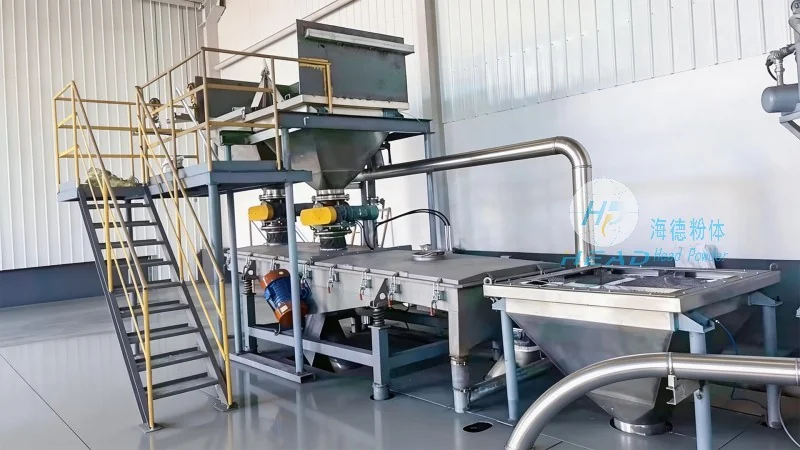
Key Components of the Pneumatic Conveying System
The system comprises several critical components that work in tandem to facilitate the transport of sodium chlorate. These include a hopper for material storage, a rotary valve for controlled discharge, a pneumatic conveying line equipped with appropriate ductwork, and a receiver for material deposition. Each component is engineered to withstand the chemical and physical properties of sodium chlorate, ensuring durability and long-term operational reliability. The hopper is typically designed with a sloped bottom to prevent material bridging, while the rotary valve allows for precise control over the flow rate, preventing overloading or underflow issues.
Working Principle of the Pneumatic Conveying Process
The operation of the sodium chlorate pneumatic conveying system is based on the principle of air-assisted material transport. A fan or blower generates a high-pressure air stream that draws sodium chlorate from the hopper through the conveying line. The material is then suspended in the air stream and transported to the receiver. The system utilizes either positive or negative pressure depending on the specific application requirements. Positive pressure systems push the material through the line, while negative pressure systems create a vacuum to pull the material. The choice of pressure type is determined by factors such as the distance of transport, the material's density, and the system's overall efficiency. The conveying line is often equipped with bends and elbows that are designed to minimize pressure loss and maintain the material's suspension in the air stream.
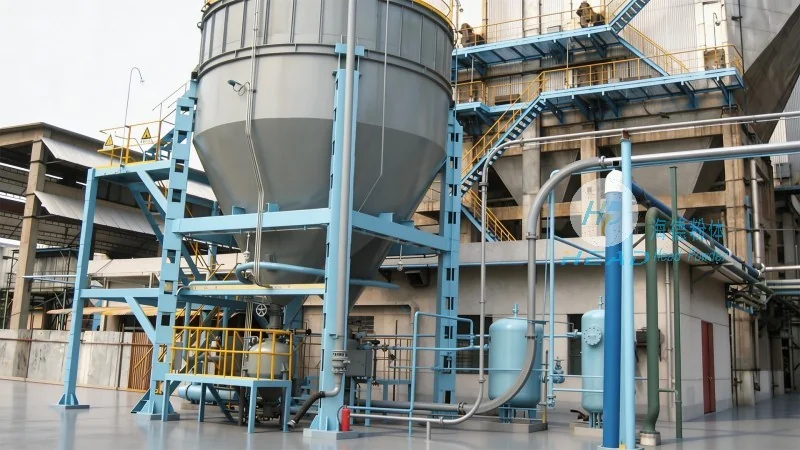
Operation Process and Control Mechanisms
The operation of the system begins with the loading of sodium chlorate into the hopper. The rotary valve then regulates the flow of material into the conveying line. The fan or blower is activated, creating the necessary air pressure to transport the material. The receiver is positioned at the destination, where the material is deposited. The system incorporates control mechanisms, such as pressure sensors and flow meters, to monitor the conveying process and adjust parameters in real-time. These controls ensure that the system operates within optimal parameters, preventing issues like blockages or excessive air consumption. The control panel, typically located near the fan or blower, allows operators to adjust the flow rate, pressure, and other variables as needed to maintain consistent performance.
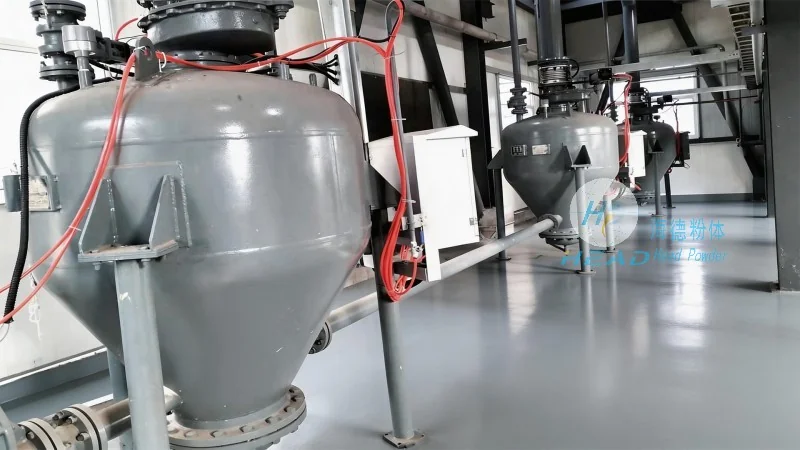
Advantages of the Pneumatic Conveying System for Sodium Chlorate
Compared to traditional mechanical conveying methods, the pneumatic system offers several advantages for handling sodium chlorate. It eliminates the need for moving parts in contact with the material, reducing the risk of contamination and wear. The enclosed system prevents dust and fumes from escaping, enhancing workplace safety and compliance with environmental regulations. Additionally, the system can transport sodium chlorate over longer distances with minimal energy consumption, making it an efficient solution for large-scale industrial applications. The ability to control the flow rate and pressure allows for precise material handling, which is critical for processes that require consistent feed rates. The system also reduces product degradation by minimizing exposure to air and mechanical stress, ensuring that the sodium chlorate maintains its quality and performance.
Maintenance and Safety Considerations
Proper maintenance is essential to ensure the long-term reliability of the sodium chlorate pneumatic conveying system. Regular inspections of the hopper, rotary valve, and conveying line are necessary to detect any signs of wear or damage. The fan and blower should be checked for proper operation and efficiency, as they are critical components of the system. The system should be cleaned regularly to prevent the buildup of sodium chlorate residue, which can affect performance and safety. Safety considerations are paramount when operating the system, as sodium chlorate is a hazardous material. Proper personal protective equipment (PPE) should be used by operators, and the system should be equipped with emergency shut-off valves and pressure relief devices. The system should also be inspected for any leaks or malfunctions before each use to prevent accidents or environmental hazards.