

Operation Process and Working Principle of Diatomite Pneumatic Conveying System Equipment
For industries dealing with diatomite, the efficient and reliable handling of this fine material is crucial. The diatomite pneumatic conveying system equipment, provided by Shandong HeadPowder Engineering Co., Ltd. (commonly known as headpowder), plays a vital role in ensuring smooth material transport from production sites to processing or storage areas. This article will delve into the operation process and working principle of such systems, highlighting how they enhance productivity and maintain material integrity.
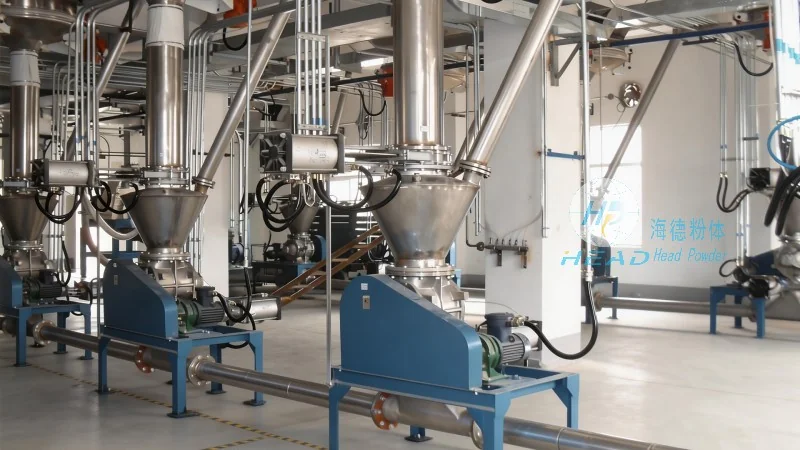
Overview of Diatomite Pneumatic Conveying System
Diatomite, a natural sedimentary rock composed of fossilized diatoms, is widely used in filtration, catalysis, and other industrial applications due to its unique porous structure and high surface area. Traditional handling methods like bucket elevators or belt conveyors may cause material degradation or blockages, especially with fine powders. The pneumatic conveying system offers a solution by using air to transport diatomite in a closed system, minimizing dust and ensuring consistent flow.
Key Components of the Pneumatic Conveying System
The diatomite pneumatic conveying system typically consists of several core components that work in tandem to achieve efficient material transport. These include:
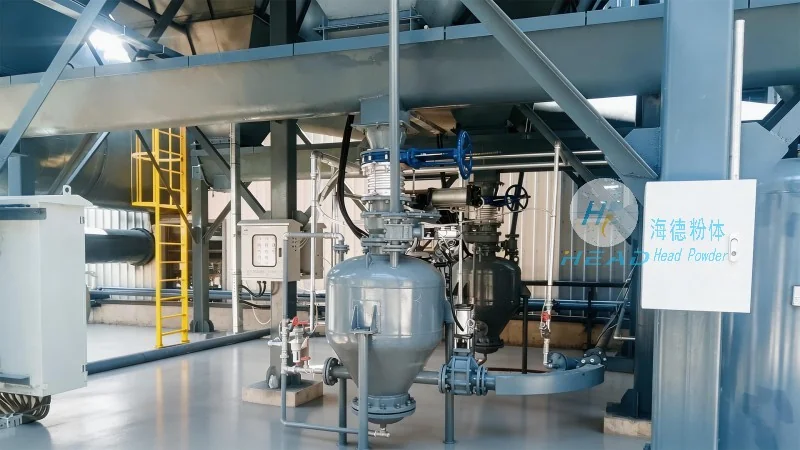
- Feed Hopper: A container that holds the diatomite, equipped with a feeder to control the flow rate of material into the system.
- Air Supply Unit: A blower or compressor that generates the necessary air pressure to move the material through the pipeline.
- Pipeline Network: A network of pipes that transports the diatomite-air mixture from the feed hopper to the destination point.
- Separation and Collection System: This component separates the diatomite from the air and collects it in a designated container, often including a cyclone separator or filter.
- Control System: A set of sensors and controllers that monitor and adjust the system parameters to maintain optimal operation.
Operation Process of the Diatomite Pneumatic Conveying System
The operation of the diatomite pneumatic conveying system follows a systematic process, ensuring that material is transported safely and efficiently. Here are the key steps involved:
- Material Loading: Diatomite is loaded into the feed hopper from a storage silo or directly from production equipment. The hopper is designed to prevent material bridging and ensure a consistent feed.
- Air Intake and Material Injection: The air supply unit generates high-pressure air, which is introduced into the pipeline. Simultaneously, the feeder opens to allow diatomite to enter the air stream, creating a mixture of material and air.
- Pipeline Transport: The diatomite-air mixture travels through the pipeline at a controlled velocity, maintaining a stable flow. The pipeline design, including bends and straight sections, is optimized to minimize pressure loss and prevent material deposition.
- Separation and Collection: At the receiving end, the mixture enters a separation unit (such as a cyclone or bag filter). The air is discharged, while the diatomite is collected in a collection bin, ready for further processing or storage.
- System Monitoring and Control: The control system continuously monitors parameters like pressure, flow rate, and temperature. Any deviations are automatically adjusted to maintain optimal performance, ensuring the system operates within safe and efficient limits.
Working Principle of the Pneumatic Conveying System
The working principle of the diatomite pneumatic conveying system is based on the fundamental concept of fluidization and transport of particulate matter using a gas stream. There are two main types of pneumatic conveying systems: positive pressure and negative pressure (or vacuum) systems. The choice of system depends on factors such as material characteristics, distance, and environmental considerations.
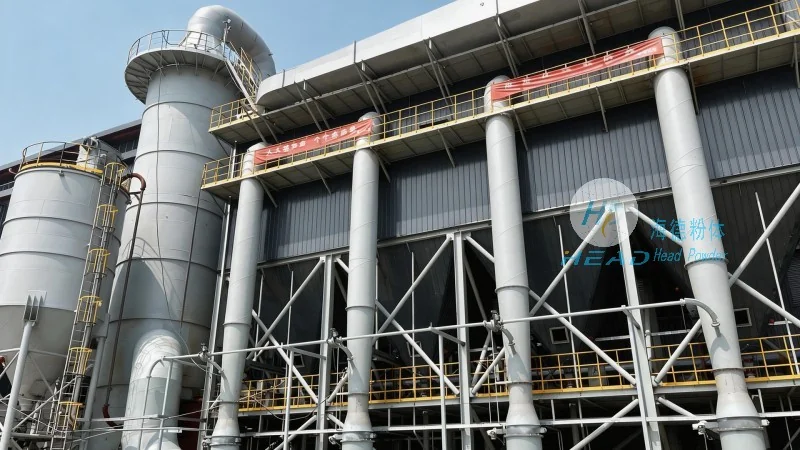
In a positive pressure system, the air is supplied under pressure, pushing the diatomite through the pipeline. This method is suitable for short to medium distances and can handle a wide range of materials, including fine powders like diatomite. The system operates by creating a pressure differential between the feed and discharge points, ensuring the material is continuously moved.
In a negative pressure system, the air is drawn from the pipeline using a vacuum pump, creating a suction effect that pulls the diatomite into the system. This approach is often used for longer distances or when the material needs to be transported from multiple sources. The system maintains a negative pressure in the pipeline, preventing dust from escaping and ensuring a clean operation.
Both systems rely on the principle of particle suspension, where the air velocity is sufficient to keep the diatomite particles suspended and prevent them from settling or clogging the pipeline. The design of the system, including the size of the particles, the air velocity, and the pipeline diameter, is critical to achieving stable and efficient transport.

Advantages of the Diatomite Pneumatic Conveying System
Implementing a diatomite pneumatic conveying system offers several advantages over traditional handling methods. These include:
- Reduced Dust and Pollution: The closed system design minimizes dust emissions, improving workplace safety and compliance with environmental regulations.
- Improved Material Integrity: The gentle handling of diatomite prevents agglomeration or degradation, maintaining the material's quality and performance.
- Increased Efficiency and Productivity: The system can handle high volumes of material with minimal downtime, leading to higher throughput and reduced labor costs.
- Space-Saving Design: The compact pipeline layout allows for flexible installation in various production environments, optimizing space utilization.
- Easy Integration: The system can be easily integrated with existing production lines, requiring minimal modifications to the facility.
About Shandong HeadPowder Engineering Co., Ltd.
Shandong HeadPowder Engineering Co., Ltd., operating under the brand name headpowder, is a leading manufacturer and supplier of industrial conveying systems, including diatomite pneumatic conveying equipment. With headquarters in Shandong, China, the company has extensive experience in designing and implementing customized solutions for various industries. Headpowder's team of engineers and technicians specializes in understanding the unique requirements of diatomite handling and provides tailored systems that meet the specific needs of clients. The company is committed to delivering high-quality, reliable equipment that enhances operational efficiency and ensures long-term performance.