

Operation Process and Working Principle of Oxide Copper Pneumatic Conveying System Equipment
HeadPowder, a leading manufacturer based in Shandong, China, specializes in providing advanced oxide copper pneumatic conveying systems. These systems are designed to efficiently transport oxide copper materials through an air-driven process, ensuring reliable and safe material handling in industrial applications. The following sections will delve into the operation process and working principles of such equipment, highlighting key components, operational steps, and the technical advantages they offer.
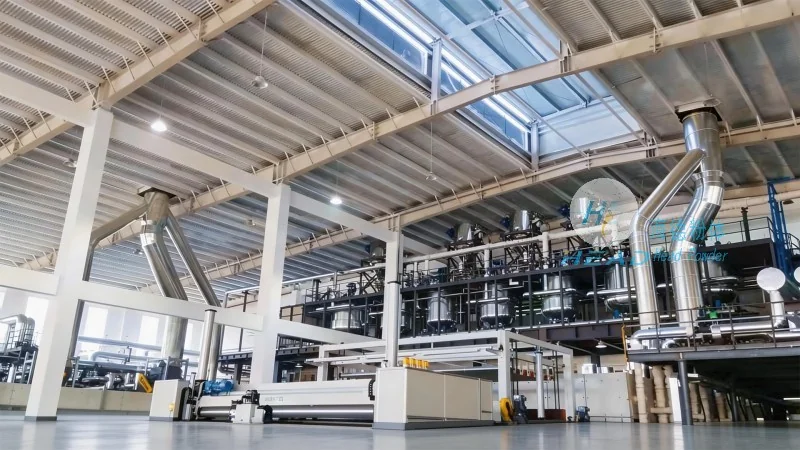
Key Components of the Oxide Copper Pneumatic Conveying System
The oxide copper pneumatic conveying system typically consists of several critical components that work in tandem to achieve effective material transport. These include the material hopper, which stores the oxide copper; the air compressor or blower that generates the necessary air pressure; the conveying line (often a pipeline) that transports the material; and the receiving hopper or silo where the material is deposited. Additionally, the system may incorporate accessories such as filters to maintain air quality, pressure regulators to control airflow, and control valves to manage the conveying process. Each component plays a vital role in ensuring the system operates smoothly and efficiently.
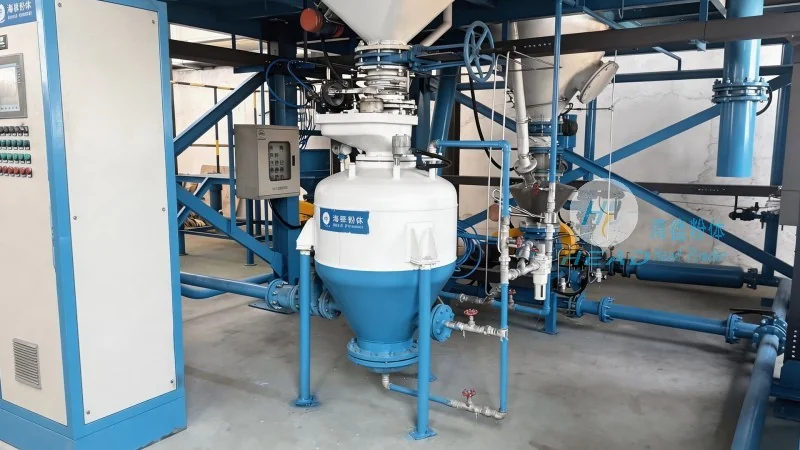
Working Principle of the Oxide Copper Pneumatic Conveying System
The core working principle of the oxide copper pneumatic conveying system relies on the use of compressed air to create a flow that propels the oxide copper particles through the conveying line. When the system is activated, the air compressor or blower supplies high-pressure air into the material hopper. The air then entrains the oxide copper particles, forming a dense mixture known as a "pneumatic stream." This stream travels through the pipeline under the force of the compressed air, moving the material from the source to the destination. The velocity and pressure of the air are carefully controlled to ensure the particles are transported without excessive wear or degradation. The receiving hopper captures the material as the air pressure decreases, allowing the oxide copper to settle and be collected. The system may also utilize different conveying modes, such as dilute phase (where particles are suspended in air) or dense phase (where particles are more closely packed), depending on the specific requirements of the application.
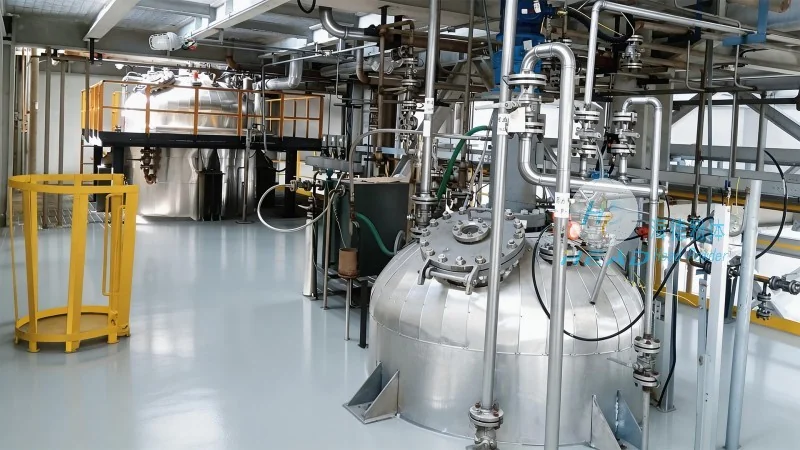
Operation Process of the Oxide Copper Pneumatic Conveying System
The operation process of the oxide copper pneumatic conveying system involves several sequential steps that ensure consistent and reliable material transport. First, the oxide copper is loaded into the material hopper, which is equipped with a feeding mechanism to control the flow rate. The air compressor is then started, and the air pressure is adjusted to the appropriate level for the conveying task. Once the air pressure is stable, the conveying process is initiated by opening the control valve, which allows the compressed air to enter the material hopper and start entraining the oxide copper particles. The material is then transported through the pipeline to the receiving hopper. During operation, the system continuously monitors air pressure, flow rate, and material level to maintain optimal performance. If any issues arise, such as a blockage or pressure drop, the system may automatically adjust or alert the operator to take corrective action. The process concludes when the material hopper is emptied, and the receiving hopper is filled to the desired level. The system can then be shut down or prepared for the next batch of oxide copper.
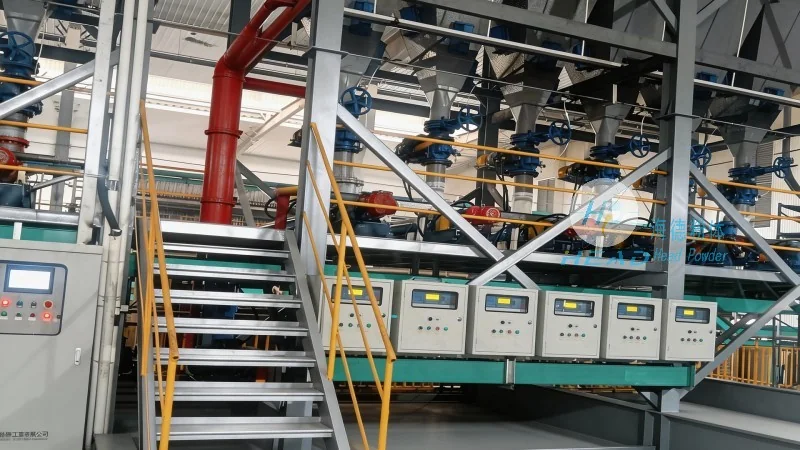
Technical Advantages and Applications
Oxide copper pneumatic conveying systems offer several technical advantages that make them suitable for various industrial applications. These include high efficiency in material transport, as the system can move large quantities of oxide copper over long distances with minimal energy consumption. The process is also relatively low maintenance, as it involves fewer moving parts compared to traditional mechanical conveyors. Additionally, the system provides a clean and dust-free environment, which is crucial for maintaining product quality and ensuring workplace safety. The flexibility of the system allows it to be adapted to different conveying requirements, such as varying material sizes or flow rates. HeadPowder's systems are widely used in mining, metallurgy, and chemical industries, where oxide copper is processed and transported as part of the production workflow. The reliability and efficiency of these systems contribute to improved productivity and reduced operational costs for industrial facilities.