

Operation Process and Working Principle of Dry Stone Powder Pneumatic Conveying System Equipment
Headpowder, a leading provider of industrial material handling solutions, specializes in the design, manufacturing, and installation of advanced pneumatic conveying systems. Based in Shandong, China, the company has established itself as a trusted partner for businesses requiring efficient and reliable dry stone powder transport solutions. This article delves into the operational process and underlying principles of dry stone powder pneumatic conveying systems, highlighting the key components, functions, and benefits of such equipment.
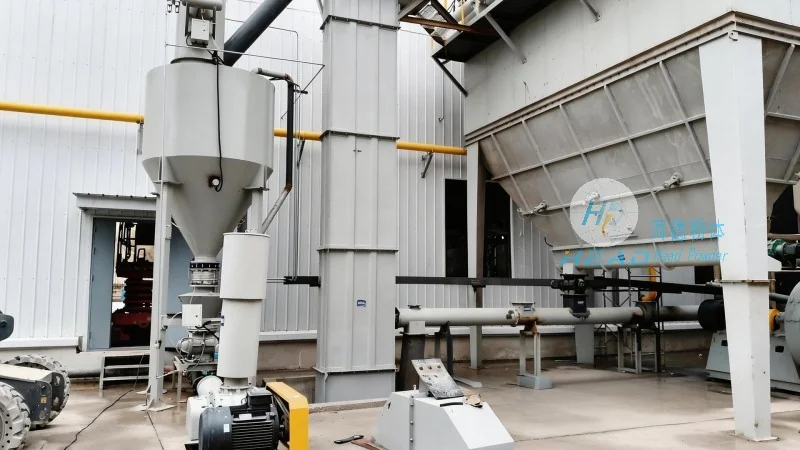
Company Overview and Core Competence
Shandong HeadPowder Engineering Co., Ltd., operating under the brand name Headpowder, is dedicated to delivering high-quality pneumatic conveying systems tailored to the specific needs of the dry stone powder industry. The company’s headquarters is located in Shandong, China, where it leverages advanced technology and extensive industry experience to develop innovative solutions. Headpowder’s commitment to precision engineering ensures that each system is built to meet stringent performance standards, providing customers with reliable and efficient material handling capabilities.
Understanding Pneumatic Conveying Systems for Dry Stone Powders
Pneumatic conveying systems are widely used in the dry stone powder sector to transport bulk materials like limestone, quartz, and other fine powders over short to medium distances. These systems utilize air or gas as the conveying medium, eliminating the need for mechanical components such as belts or buckets. The primary advantage of pneumatic conveying is its ability to handle delicate, abrasive, or hygroscopic materials without causing degradation or contamination, making it ideal for applications where product integrity is paramount.
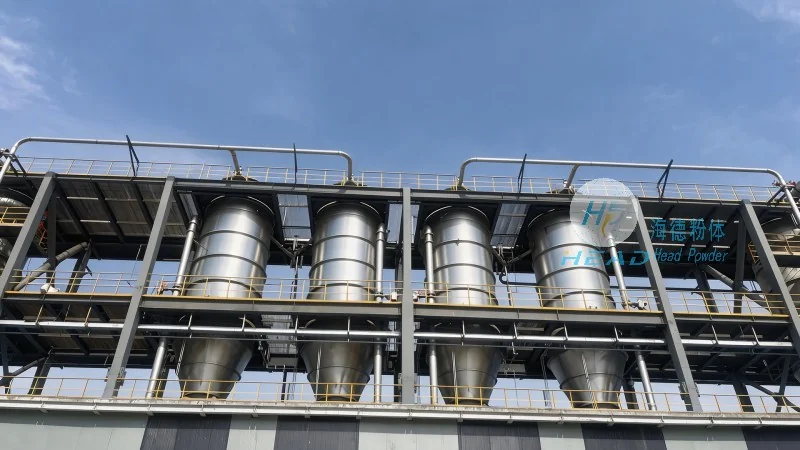
The Operational Process of Dry Stone Powder Pneumatic Conveying Systems
The operation of a dry stone powder pneumatic conveying system involves several sequential steps, each designed to ensure efficient material transport from the source to the destination. The process typically begins with the loading of dry stone powder into the hopper or storage silo. From there, the material is fed into the conveying line through a rotary valve or feeder, which controls the flow rate and prevents backflow. The feeder then delivers the powder into the main conveying pipe, where it is mixed with compressed air or gas. The air-powder mixture travels through the pipeline under pressure, propelled by the air flow to the receiving hopper or processing unit. At the destination, the air and powder are separated, with the powder collected in the receiving container and the air either vented to the atmosphere or recycled back into the system.
Working Principle: How the System Transfers Dry Stone Powder
The core working principle of a pneumatic conveying system for dry stone powders revolves around the interaction between the material and the conveying medium. The system operates on the principle of fluidization, where the air flow creates a suspended state for the powder particles, allowing them to move freely through the pipeline. This fluidization process ensures that the powder does not settle or clog the system, maintaining consistent flow rates. The pressure differential between the inlet and outlet of the conveying line drives the material forward, with the velocity of the air determining the conveying capacity. Proper design of the system, including the size of the pipeline, the air pressure, and the feeder speed, is critical to achieving optimal performance and minimizing energy consumption.
Key Components and Their Functions in the System
Several key components work in tandem to ensure the smooth operation of a dry stone powder pneumatic conveying system. The hopper or storage silo serves as the initial storage and feeding point, providing a controlled environment for the material. The rotary valve or feeder regulates the flow of powder into the conveying line, preventing blockages and maintaining a steady supply. The conveying pipe, typically made of stainless steel or other corrosion-resistant materials, transmits the air-powder mixture from the source to the destination. The air compressor or blower generates the necessary pressure and airflow, while the air filter and dryer ensure that the air is clean and dry, preventing contamination of the powder. The receiving hopper collects the material at the end of the line, and the dust collector or venting system manages any air emissions, maintaining compliance with environmental regulations.
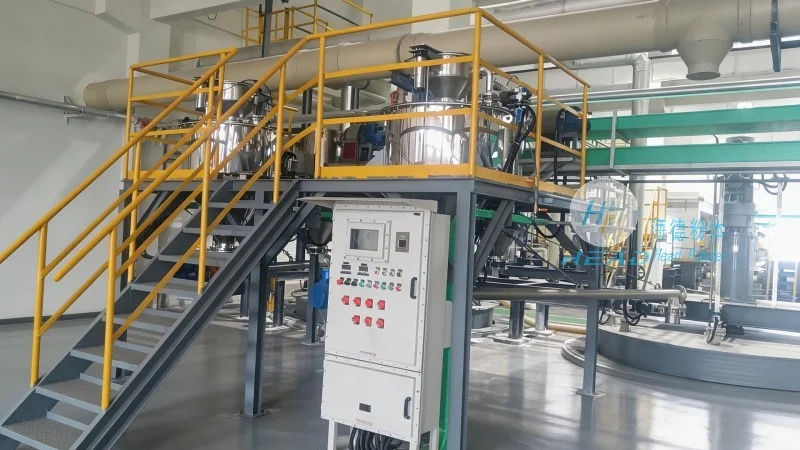
Benefits and Applications of Dry Stone Powder Pneumatic Conveying Systems
Implementing a dry stone powder pneumatic conveying system offers numerous benefits for industrial operations. These systems provide a dust-free and hygienic environment, reducing the risk of material contamination and improving workplace safety. The absence of mechanical parts minimizes maintenance requirements and downtime, leading to lower operational costs. Additionally, pneumatic conveying systems can handle materials with varying particle sizes and moisture content, making them versatile for diverse applications. Common applications include transporting limestone for cement production, quartz for glass manufacturing, and other fine powders in chemical and mining industries.
Conclusion: The Efficiency and Reliability of Dry Stone Powder Pneumatic Conveying Systems
As a leading manufacturer based in Shandong, China, Headpowder Engineering Co., Ltd. continues to innovate in the field of pneumatic conveying technology, providing customized solutions that meet the evolving needs of the dry stone powder industry. The operational process and working principles of these systems are designed to deliver high efficiency, reliability, and cost-effectiveness, ensuring that businesses can achieve optimal material handling performance. By leveraging advanced engineering and quality materials, Headpowder’s systems offer a sustainable and efficient approach to transporting dry stone powders, supporting the growth and productivity of industrial operations worldwide.