

Operation Process and Working Principle of Gypsum Powder Pneumatic Conveying System Equipment
For industrial applications involving the handling of gypsum powder, efficient and reliable material transport is crucial. The pneumatic conveying system, particularly designed for gypsum powder, offers a solution that combines performance with operational simplicity. This article delves into the operation process and working principle of such systems, highlighting the key components and the seamless workflow that ensures optimal performance in material handling tasks.
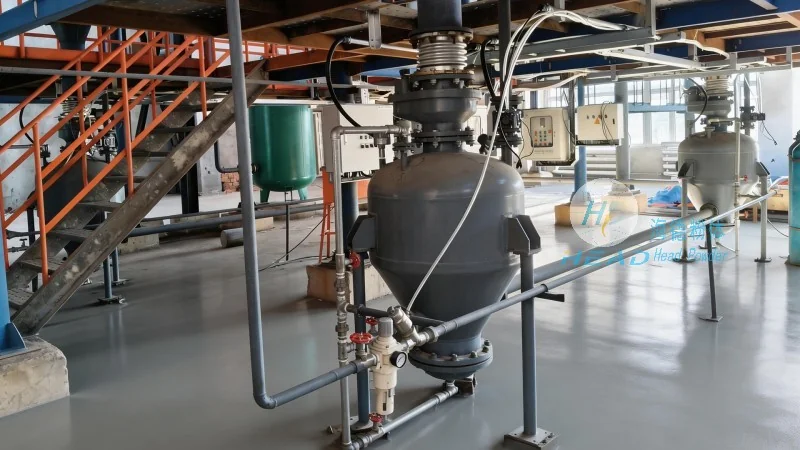
Understanding the Gypsum Powder Pneumatic Conveying System
The gypsum powder pneumatic conveying system is engineered to transport dry, fine materials like gypsum powder through a pipeline using air as the conveying medium. This method eliminates the need for mechanical components such as belts or buckets, reducing maintenance requirements and enhancing safety. The system is particularly suitable for applications where dust control and hygienic handling are essential, making it a preferred choice in industries like construction, pharmaceuticals, and food processing.
Key Components of the System
The effectiveness of the gypsum powder pneumatic conveying system relies on several critical components that work in tandem to ensure smooth operation. These components include the hopper for material storage, the air compressor or blower to generate the conveying air, the pipeline network that transports the material, and the control system that regulates the flow. Each component plays a vital role in maintaining the system's efficiency and reliability.
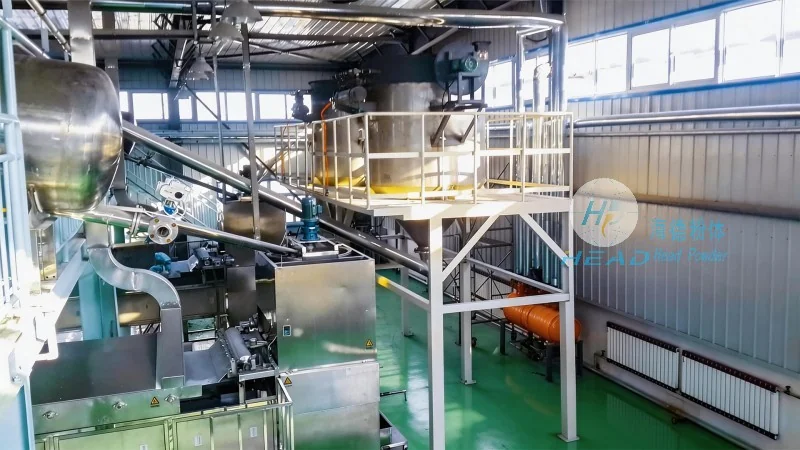
Operation Process of the Gypsum Powder Pneumatic Conveying System
The operation process of the gypsum powder pneumatic conveying system begins with the loading of gypsum powder into the hopper. The material is then fed into the pipeline through the air stream generated by the blower. As the air flows through the pipeline, it entrains the gypsum powder particles, creating a slurry-like mixture that moves through the system. The control system monitors the pressure and flow rates, adjusting the air volume as needed to maintain optimal conveying conditions. The material is then discharged at the destination point, where it can be collected for further processing or use.
Working Principle: Air Entrainment and Material Transport
The working principle of the gypsum powder pneumatic conveying system is based on the concept of air entrainment. The blower creates a high-pressure air flow that draws the gypsum powder particles into the pipeline. The air velocity is maintained above the minimum required to keep the particles suspended, preventing them from settling or clogging the system. This principle ensures that the material is transported efficiently and without the need for additional mechanical agitation. The system's design minimizes the risk of material degradation and ensures consistent particle size distribution, which is critical for downstream processes.
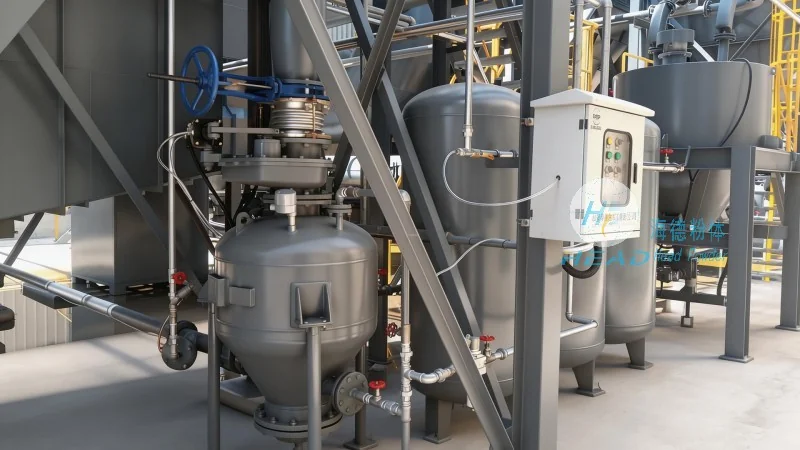
Advantages of Using a Gypsum Powder Pneumatic Conveying System
Implementing a gypsum powder pneumatic conveying system offers several advantages over traditional mechanical conveying methods. These include reduced labor costs due to automated operation, lower maintenance requirements as there are fewer moving parts, and improved safety as the system operates without exposed mechanical components. Additionally, the system provides better dust control, which is essential for maintaining a clean and safe working environment. The ability to transport materials over long distances without the need for intermediate storage or handling points also enhances operational efficiency.
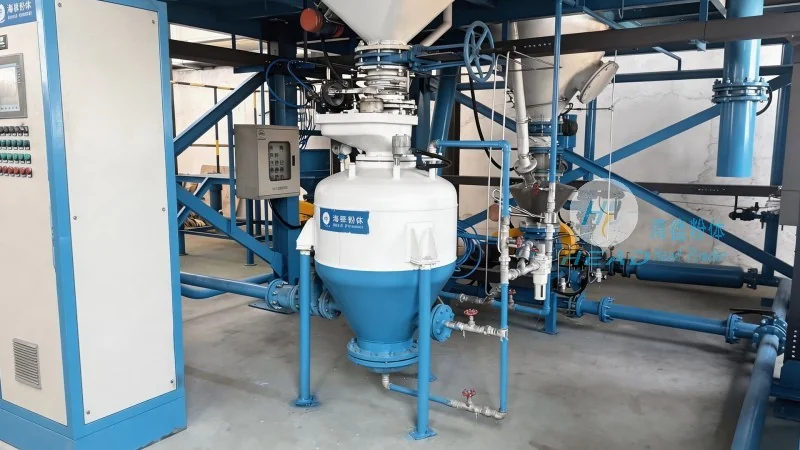
Application in Industrial Settings
The gypsum powder pneumatic conveying system is widely used in various industrial settings where the handling of fine powders is required. In the construction industry, it is used to transport gypsum powder for wallboard production, ensuring a consistent supply of raw material to manufacturing facilities. In the pharmaceutical industry, the system is employed to convey gypsum powder for use in drug formulations, maintaining strict hygiene and contamination control standards. The system's versatility and adaptability make it suitable for a range of applications, from small-scale operations to large-scale industrial plants.
Conclusion: The Role of Shandong HeadPowder Engineering Co., Ltd. in Pneumatic Conveying Solutions
Shandong HeadPowder Engineering Co., Ltd., a leading provider of pneumatic conveying systems, specializes in designing and manufacturing equipment tailored to the specific needs of gypsum powder handling. With years of experience in the industry, the company has developed systems that are efficient, reliable, and easy to maintain. By leveraging advanced technology and a deep understanding of material handling principles, HeadPowder ensures that its customers receive high-quality equipment that meets their operational requirements. The company's commitment to quality and customer satisfaction has made it a trusted partner in the industry, providing solutions that enhance productivity and safety in gypsum powder processing.