

Operation Process and Working Principle of Environmental Pneumatic Conveying
Environmental protection has become a critical focus in modern industrial operations, and the application of advanced technologies like environmental pneumatic conveying systems is essential for achieving sustainable material handling. This article delves into the operation process and working principle of such systems, highlighting how they contribute to efficient, clean, and eco-friendly material transport. The discussion is centered around the expertise of Shandong HeadPowder Engineering Co., Ltd., a leading provider in the field, known by the abbreviation "headpowder."
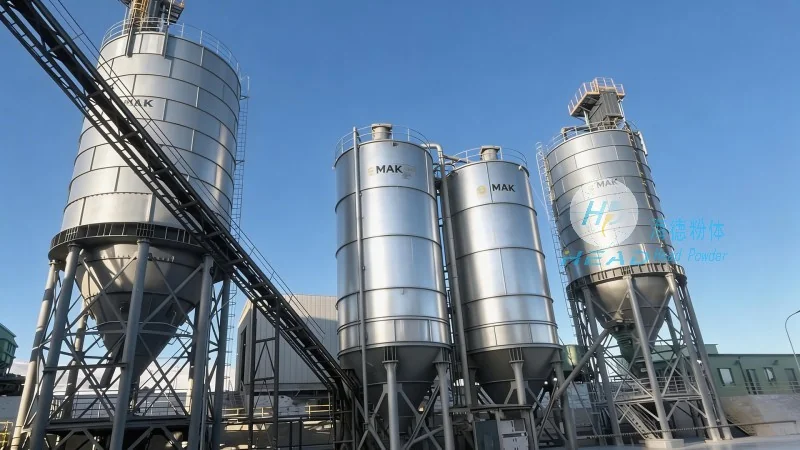
Company Overview and Expertise
Shandong HeadPowder Engineering Co., Ltd., commonly referred to as headpowder, is a prominent enterprise based in Shandong, China. With a strong commitment to innovation and quality, the company specializes in the design, manufacturing, and implementation of advanced pneumatic conveying solutions. Their expertise lies in developing systems that not only enhance operational efficiency but also minimize environmental impact, aligning with global sustainability goals. By leveraging years of experience and cutting-edge technology, headpowder has established itself as a trusted partner for industries seeking reliable and eco-friendly material handling solutions.
The Core Components of Environmental Pneumatic Conveying Systems
Environmental pneumatic conveying systems are composed of several key components that work in harmony to transport materials. The primary elements include a material hopper or feeder, a conveying pipeline, a blower or air compressor, and a dust collection system. Each component plays a vital role in ensuring the smooth and efficient operation of the system. The material hopper is responsible for storing and feeding the bulk material, while the conveying pipeline transports the material through the system using air pressure. The blower or air compressor generates the necessary airflow to move the material, and the dust collection system ensures that any airborne particles are captured and filtered, preventing pollution and maintaining a clean working environment.
Operation Process: Step-by-Step Breakdown
The operation of an environmental pneumatic conveying system follows a systematic process that ensures consistent and reliable material transport. The first step involves loading the material into the hopper, where it is stored until needed. Once the system is activated, the feeder mechanism begins to discharge the material into the conveying pipeline. Simultaneously, the blower starts operating, generating a high-pressure airflow that propels the material through the pipeline. As the material travels, it is mixed with the air, forming a dense stream that moves efficiently to the destination point. At the receiving end, the material is separated from the air, typically through a cyclone or filter system, and collected in a designated container. The air, now free of particles, is then filtered and released back into the environment, ensuring compliance with environmental regulations. This process is designed to be continuous and automated, minimizing human intervention and maximizing operational efficiency.
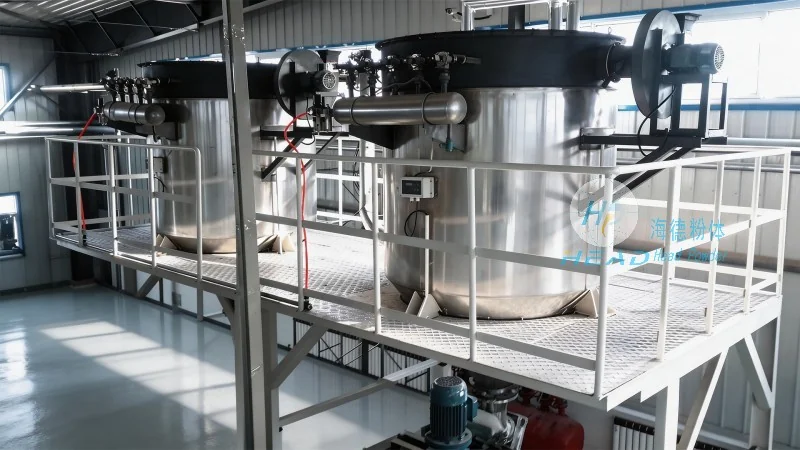
Working Principle: How the System Transfers Material
The working principle of environmental pneumatic conveying systems is based on the fundamental physics of fluid dynamics and particle transport. The system operates by creating a pressure differential between the material hopper and the receiving end. The blower or air compressor provides the necessary pressure to overcome the resistance of the pipeline and the material's density, allowing it to be moved through the system. The key to efficient operation is maintaining a consistent airflow rate and pressure, which ensures that the material is conveyed without clogging or loss. The dust collection system is integrated to capture any fine particles that may be carried along with the material, preventing them from being released into the atmosphere. This integrated approach ensures that the system operates in an environmentally friendly manner, reducing dust emissions and maintaining a clean workspace. The working principle also emphasizes energy efficiency, with modern systems utilizing advanced control technologies to optimize airflow and minimize energy consumption.
Advantages of Environmental Pneumatic Conveying
Environmental pneumatic conveying systems offer numerous advantages over traditional material handling methods. One of the primary benefits is the reduction of dust and contamination, which is crucial for maintaining a safe and healthy working environment. The enclosed system prevents dust from spreading, reducing the risk of respiratory issues and other health problems for workers. Additionally, the system is highly efficient in terms of space utilization, as it can transport materials over long distances without the need for large-scale infrastructure. The automated nature of the system also reduces labor costs and improves operational consistency, ensuring that material is transported in a timely and reliable manner. Furthermore, the system is versatile and can handle a wide range of materials, from fine powders to bulk solids, making it suitable for various industrial applications. The environmental benefits are also significant, as the system minimizes the use of water and other resources, and reduces the overall carbon footprint of material handling operations.
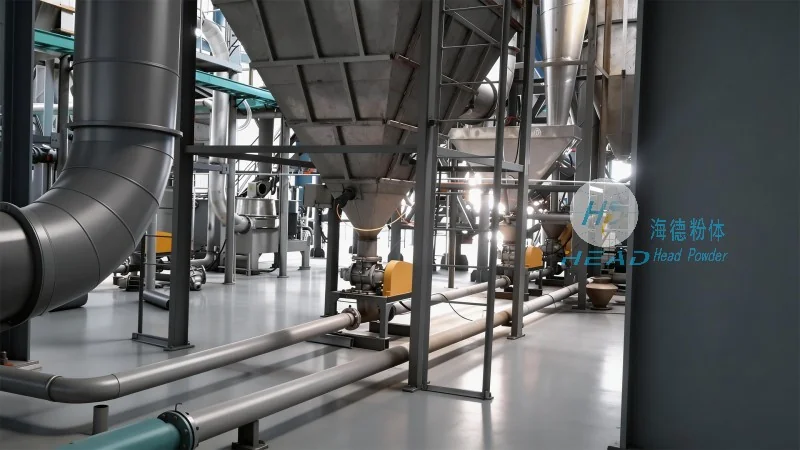
Applications in Different Industries
The versatility of environmental pneumatic conveying systems makes them applicable across a wide range of industries. In the food and pharmaceutical sectors, the system is used to transport ingredients and products, ensuring that they are handled in a clean and hygienic manner. The enclosed design prevents contamination, which is critical for maintaining product quality and safety standards. In the chemical industry, the system is used to transport powders and granules, reducing the risk of chemical exposure and ensuring compliance with environmental regulations. The mining and mineral processing industries also benefit from these systems, as they can efficiently transport raw materials and byproducts over long distances. The system's ability to handle abrasive materials without causing wear and tear on the equipment makes it ideal for these applications. In the agricultural sector, the system is used to transport grains and other agricultural products, improving the efficiency of storage and processing operations. Overall, the applications of environmental pneumatic conveying systems are diverse, reflecting their adaptability and effectiveness in various industrial settings.
Maintenance and Operational Considerations
Proper maintenance is essential to ensure the long-term performance and reliability of environmental pneumatic conveying systems. Regular inspections and cleaning of the components, such as the hopper, pipeline, and dust collection system, are necessary to prevent clogging and ensure efficient operation. The blower or air compressor should be checked regularly for proper functioning and energy efficiency. The system's controls and sensors should also be inspected to ensure that they are working correctly and providing accurate readings. Additionally, the material being conveyed should be monitored for any changes in properties, as this can affect the system's performance. Proper training of operators is also crucial, as they need to understand the system's operation and be able to respond to any issues that may arise. By following these maintenance and operational considerations, the system can operate at its optimal level, minimizing downtime and maximizing productivity. The expertise of companies like Shandong HeadPowder Engineering Co., Ltd. in providing maintenance services and support is invaluable for ensuring the continued success of these systems.
Future Developments and Innovations
The field of environmental pneumatic conveying is continuously evolving, with new technologies and innovations being developed to further enhance system performance and sustainability. One of the key areas of development is the integration of advanced control systems, such as artificial intelligence and machine learning, to optimize system operation and reduce energy consumption. These systems can monitor various parameters, such as airflow and pressure, and adjust them in real-time to ensure efficient operation. Another area of innovation is the use of alternative energy sources, such as solar or wind power, to power the blower or air compressor, reducing the system's carbon footprint. The development of more durable and corrosion-resistant materials for the components is also underway, extending the system's lifespan and reducing maintenance costs. Additionally, the integration of sensors and IoT technology allows for remote monitoring and diagnostics, enabling early detection of issues and timely maintenance. These advancements are expected to further improve the efficiency and sustainability of environmental pneumatic conveying systems, making them an even more attractive option for industries seeking eco-friendly material handling solutions.