

Operation Process and Working Principle of Dry Flue Gas Desulfurization System Equipment
Shandong HeadPowder Engineering Co., Ltd. specializes in the design, manufacturing, and installation of advanced dry flue gas desulfurization (FGD) systems. These systems are crucial for reducing sulfur dioxide (SO₂) emissions from industrial combustion processes, contributing to environmental protection and compliance with stringent air quality regulations. The following content provides a detailed overview of the operational process and working principles of such systems, highlighting the key components and their functions.
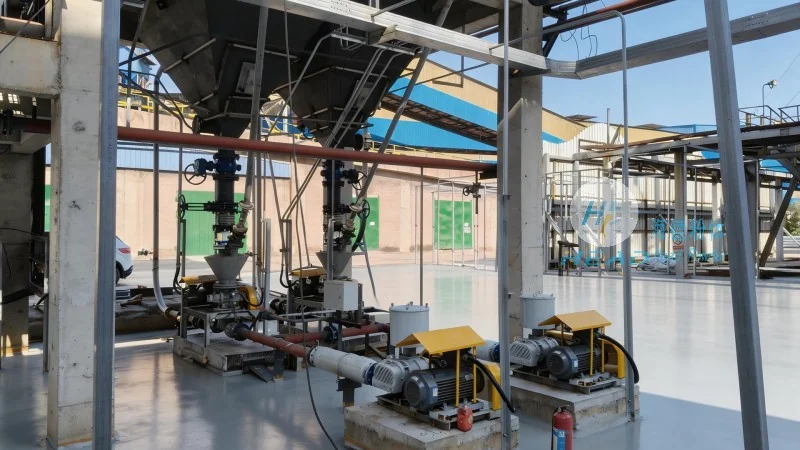
Key Components of a Dry FGD System
A typical dry FGD system consists of several interconnected components that work in synergy to capture and remove sulfur dioxide from flue gases. The primary components include the gas duct system, desulfurization reactor, sorbent feeding system, and control system. Each component plays a vital role in ensuring efficient SO₂ removal and system reliability.
Operation Process of the Dry FGD System
The operation of a dry FGD system begins with the intake of flue gases from the combustion source, such as a boiler or industrial furnace. The flue gases, which contain sulfur dioxide and other pollutants, are directed into the gas duct system. From there, the gases are transported to the desulfurization reactor, where the actual desulfurization reaction takes place. The sorbent, typically a dry powder like limestone or calcium carbonate, is introduced into the reactor in a controlled manner. As the flue gases pass through the reactor, the sorbent particles react with the SO₂, forming calcium sulfite or calcium sulfate, which are then collected as byproducts.
Working Principle of the Desulfurization Reaction
The core of the dry FGD system is the chemical reaction between the sorbent and sulfur dioxide. The sorbent, usually calcium-based, reacts with SO₂ and oxygen in the flue gas to produce calcium sulfate (gypsum) or calcium sulfite. The reaction can be represented by the following chemical equations:
For the formation of calcium sulfate (gypsum):
CaCO₃ + SO₂ + 1/2 O₂ → CaSO₄ + CO₂
For the formation of calcium sulfite: (Note: Further oxidation may convert sulfite to sulfate)
CaCO₃ + SO₂ → CaSO₃ + CO₂
The efficiency of this reaction depends on several factors, including the reactivity of the sorbent, the contact time between the gas and sorbent particles, and the temperature and humidity of the flue gas. Optimizing these parameters is essential for maximizing SO₂ removal efficiency and minimizing sorbent consumption.
Sorbent Feeding and Collection Systems
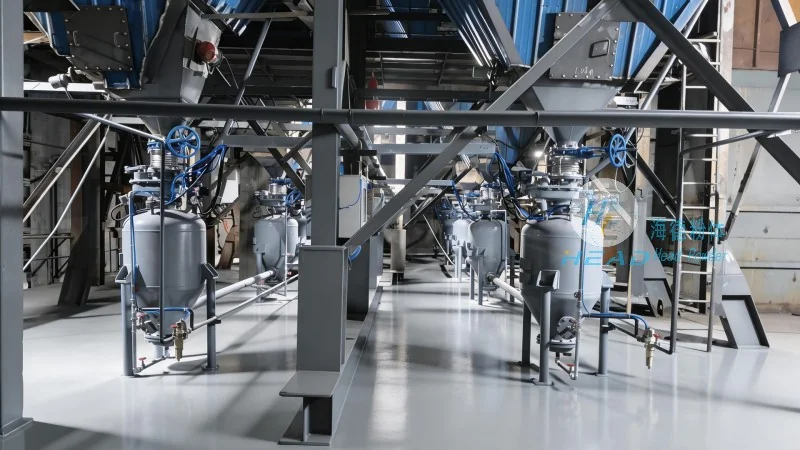
The sorbent feeding system is responsible for delivering the dry sorbent powder to the desulfurization reactor. This system typically includes a hopper, a feeder (such as a rotary valve or screw feeder), and a distribution system that ensures uniform distribution of the sorbent over the gas flow. The collected byproducts, such as calcium sulfate or calcium sulfite, are then transported to a storage or disposal area. In some systems, the byproducts may be further processed for reuse or sale, adding economic value to the operation.
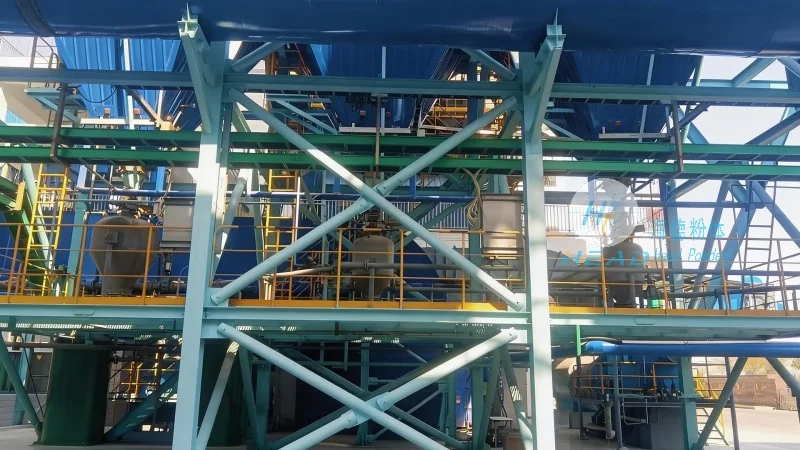
Control and Monitoring Systems
Modern dry FGD systems are equipped with advanced control and monitoring systems to ensure optimal performance and compliance with emission standards. These systems include sensors for measuring SO₂ concentration, temperature, and humidity in the flue gas, as well as controllers that adjust the sorbent feed rate and other operational parameters in real-time. The control system also monitors the performance of key components, such as the reactor and gas ducts, to detect any potential issues and initiate corrective actions before they lead to system failures.
Advantages of Dry FGD Systems
Compared to wet FGD systems, dry FGD systems offer several advantages, including lower operating costs, reduced water consumption, and the ability to handle higher flue gas temperatures. The dry process also eliminates the need for wastewater treatment, making it more environmentally friendly. Additionally, the byproducts from dry FGD systems can be utilized in various applications, such as construction materials or fertilizers, enhancing the overall sustainability of the system.
Applications and Industry Impact
Dry FGD systems are widely used in various industries, including power generation, petrochemical, and industrial heating. They are particularly suitable for applications where high SO₂ removal efficiency is required, and where space or water availability is limited. By effectively reducing SO₂ emissions, these systems help industries comply with environmental regulations and contribute to improved air quality in the surrounding areas.
Conclusion
Shandong HeadPowder Engineering Co., Ltd. provides comprehensive solutions for dry flue gas desulfurization systems, combining advanced technology with reliable operation. The detailed operation process and working principles outlined above demonstrate the effectiveness of these systems in achieving high SO₂ removal rates while maintaining operational efficiency. As environmental regulations continue to evolve, the demand for such advanced desulfurization technologies will likely increase, making dry FGD systems a critical component of sustainable industrial operations.