

Operation Process and Working Principle of Dry Dust Removal Systems
For industrial applications where air quality control is critical, dry dust removal systems represent a vital technology. These systems are designed to capture and remove particulate matter from exhaust gases without the use of water, making them suitable for various industries including manufacturing, power generation, and chemical processing. Understanding the operation process and working principle of such systems is essential for optimizing performance and ensuring compliance with environmental regulations.
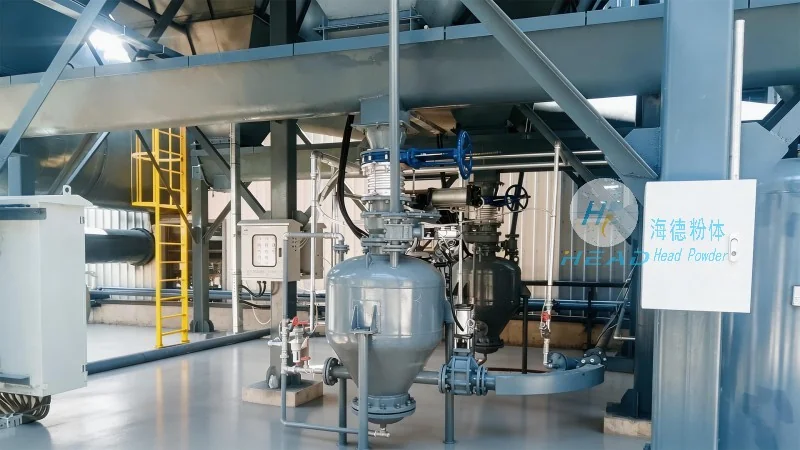
Overview of Dry Dust Removal Systems
Dry dust removal systems, also known as dry scrubbers or electrostatic precipitators (in some configurations), are air purification devices that employ mechanical or electrostatic forces to separate dust particles from gas streams. Unlike wet dust collection methods, dry systems do not rely on liquid media to trap contaminants, which reduces water usage and simplifies waste management. The primary goal of these systems is to reduce the concentration of particulate matter in exhaust gases to levels that meet or exceed regulatory standards.
Key Components and Their Roles
The effectiveness of a dry dust removal system depends on several key components, each playing a specific role in the filtration process. These components typically include: inlet hoods or ducts to direct the contaminated air into the system, a pre-filter or pre-cleaning stage to remove larger particles to prevent clogging of the main filtration unit, a main filtration unit (such as a baghouse or electrostatic precipitator), and an outlet fan or blower to discharge the cleaned air. Additionally, some systems may include a dust collection hopper or bin to store the captured particulate matter for disposal or reuse.
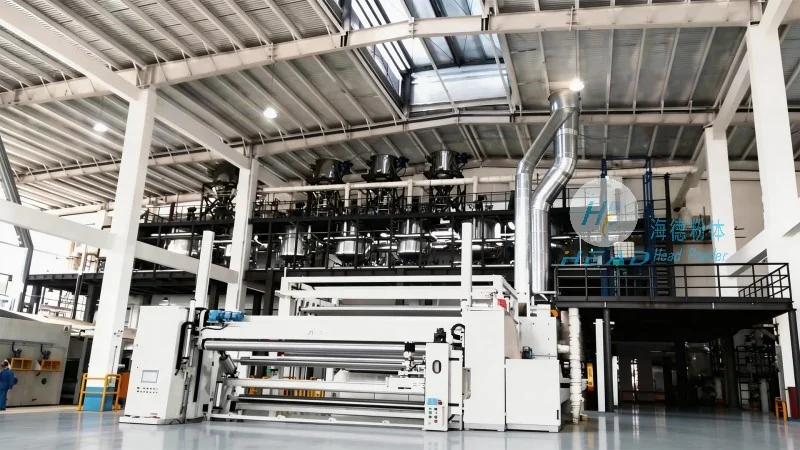
The Operation Process of Dry Dust Removal Systems
The operation process of a dry dust removal system generally follows a sequential flow. First, the contaminated air is drawn into the system through the inlet ducts. The air then passes through a pre-filter, which removes larger particles to prevent clogging of the main filtration unit. Next, the air enters the main filtration stage, where particulate matter is captured by the filtration media or through electrostatic attraction. The cleaned air then moves to the outlet side of the system and is discharged through the outlet fan. Throughout this process, the collected dust is continuously removed from the filtration media or plates and deposited into the collection hopper. This cycle ensures that the system maintains high efficiency and prevents pressure drop that could compromise performance.
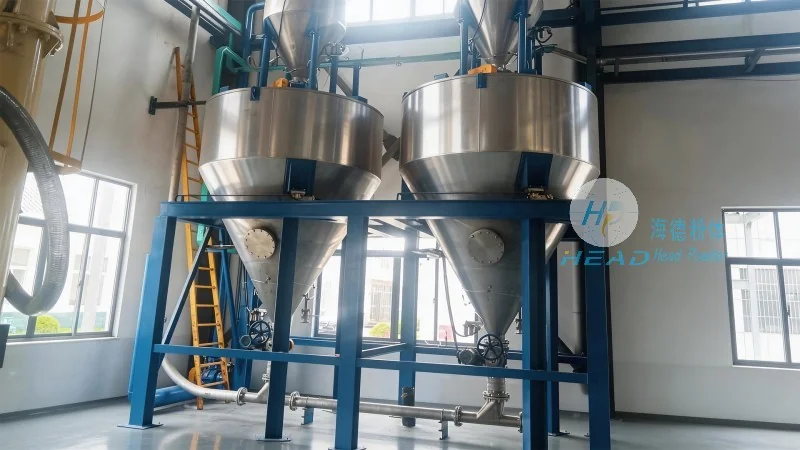
Working Principle of Dry Dust Removal Systems
The working principle of dry dust removal systems varies based on the specific technology employed, with the most common being baghouse filters and electrostatic precipitators. In baghouse systems, the air passes through a series of fabric bags or cartridges. As the air flows through the bags, dust particles are trapped on the surface of the fabric due to direct contact and filtration. The collected dust is then removed by shaking or vibration of the bags, which dislodges the particles into the hopper. In electrostatic precipitators, the air passes through an electric field where dust particles are charged and attracted to oppositely charged plates or collectors. The dust then falls into the collection chamber and is removed. Both mechanisms rely on physical filtration or electrostatic forces to separate dust from the gas stream, making dry systems efficient and cost-effective for many industrial applications.
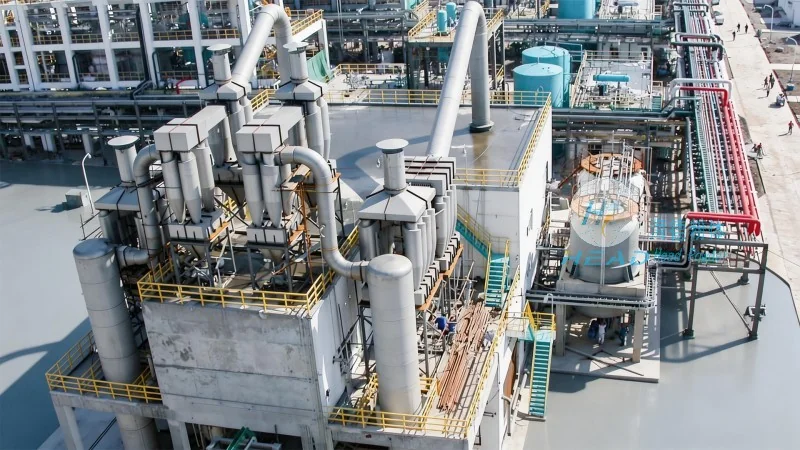
Company Profile: Shandong HeadPowder Engineering Co., Ltd.
Shandong HeadPowder Engineering Co., Ltd., commonly known as HeadPowder, is a leading provider of dust removal and air purification solutions. With a strong presence in China, particularly in Shandong province, the company specializes in designing, manufacturing, and installing dry dust removal systems tailored to the needs of various industries. HeadPowder's expertise lies in delivering high-efficiency, reliable systems that meet stringent environmental standards while optimizing operational costs. The company's commitment to quality and innovation has made it a trusted partner for businesses seeking effective air filtration solutions.
Application and Benefits
Dry dust removal systems are widely used in industries where particulate emissions are a concern, such as cement production, steel manufacturing, and power plants. The benefits of these systems include reduced environmental impact, compliance with regulations, and improved workplace air quality. Additionally, dry systems offer advantages over wet methods, including lower maintenance requirements, reduced water usage, and the ability to handle high-temperature gases without the risk of water-related corrosion. By investing in a dry dust removal system from HeadPowder, businesses can enhance their operational efficiency and contribute to a cleaner environment.