

Operation Process and Working Principle of Vacuum Material Handling Pneumatic Conveying
Understanding the operation process and working principle of vacuum material handling pneumatic conveying is crucial for optimizing material transport in various industrial applications. This technology, provided by Shandong HeadPowder Engineering Co., Ltd., a leading company in the field, offers efficient and reliable solutions for transporting bulk materials over short to medium distances. The following sections delve into the detailed operation process and the underlying working principles of this system.
Introduction to Vacuum Pneumatic Conveying Systems
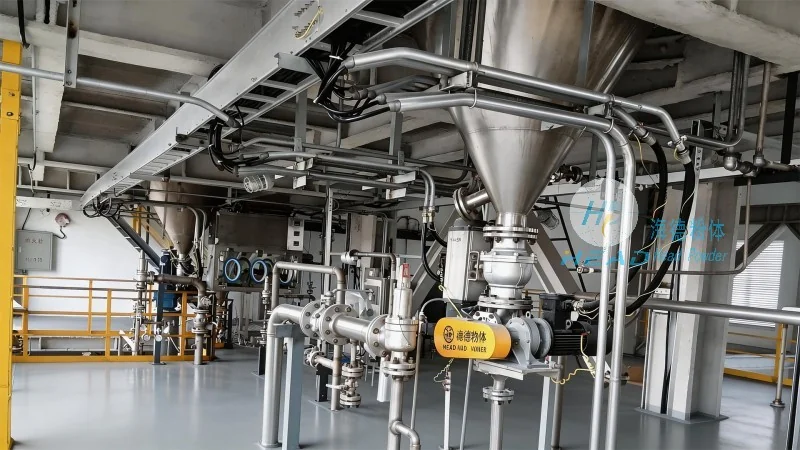
Vacuum material handling pneumatic conveying systems are designed to transport dry bulk materials using a vacuum environment. Unlike positive pressure systems that use compressed air to push material, vacuum systems create a negative pressure zone to draw material from the source to the destination. This method is particularly effective for applications requiring gentle material handling, minimal dust generation, and the ability to handle materials with varying properties such as powders, granules, and fine particles.
The Core Components of a Vacuum Pneumatic Conveying System
A typical vacuum pneumatic conveying system consists of several key components that work in tandem to ensure efficient material transport. These components include the vacuum pump, material feed hopper, conveying line, receiver, and control system. Each component plays a vital role in the overall operation of the system.
Operation Process of Vacuum Pneumatic Conveying
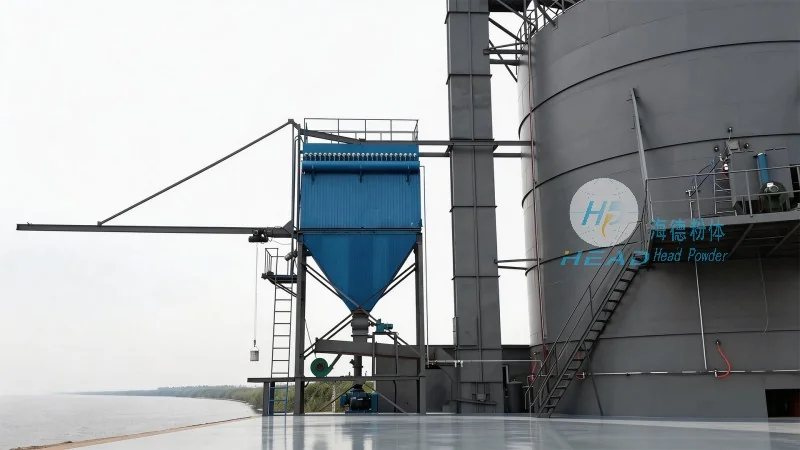
The operation process of a vacuum material handling pneumatic conveying system involves several sequential steps. First, the material is fed into the material hopper from the source container. The vacuum pump then creates a vacuum in the conveying line, which draws the material from the hopper and transports it through the pipeline to the receiver. The material is then deposited into the receiver, completing the transport cycle. The system operates continuously, with the vacuum pump maintaining the necessary pressure differential to ensure consistent material flow.
Working Principle of Vacuum Pneumatic Conveying
The working principle of vacuum pneumatic conveying is based on the fundamental principles of fluid dynamics and pressure differentials. The vacuum pump generates a low-pressure environment in the conveying line, which creates a pressure difference between the source and the destination. This pressure difference causes the material to be entrained in the air stream and transported through the pipeline. The air velocity within the conveying line is carefully controlled to ensure that the material particles are suspended and moved efficiently without causing excessive wear or blockages.
Advantages of Vacuum Pneumatic Conveying
Vacuum material handling pneumatic conveying systems offer several advantages over other material transport methods. These include gentle material handling, which minimizes product degradation and damage, especially for delicate or sensitive materials. The system also reduces dust generation compared to positive pressure systems, making it suitable for applications where dust control is critical. Additionally, vacuum systems are more energy-efficient for short to medium transport distances, as they require less power to operate compared to positive pressure systems.
Applications of Vacuum Pneumatic Conveying
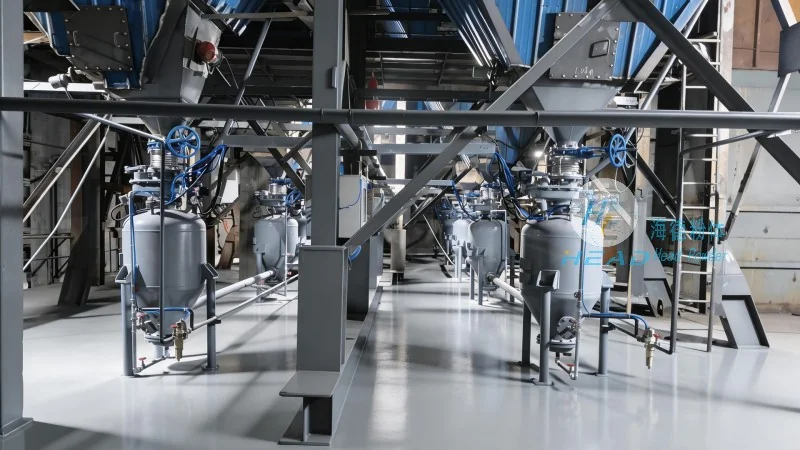
Vacuum pneumatic conveying systems are widely used in various industries, including pharmaceuticals, food processing, chemical manufacturing, and mining. They are particularly suitable for transporting materials that are prone to caking or agglomeration, as the gentle handling prevents material degradation. The system is also ideal for applications requiring dust-free environments, such as in cleanroom operations or food processing facilities.
Conclusion
In conclusion, the operation process and working principle of vacuum material handling pneumatic conveying systems, as provided by Shandong HeadPowder Engineering Co., Ltd., offer efficient and reliable solutions for bulk material transport. By understanding the core components and the sequential operation steps, industries can optimize their material handling processes, improve productivity, and ensure product quality. The advantages of this technology, including gentle handling and reduced dust generation, make it a preferred choice for various industrial applications.