

Operation Process and Working Principle of Rapid Material Loading Pneumatic Conveying
HeadPowder, a leading provider of pneumatic conveying solutions, specializes in the design and implementation of rapid material loading systems. This article delves into the operation process and working principles of such systems, highlighting their efficiency and reliability in industrial applications.
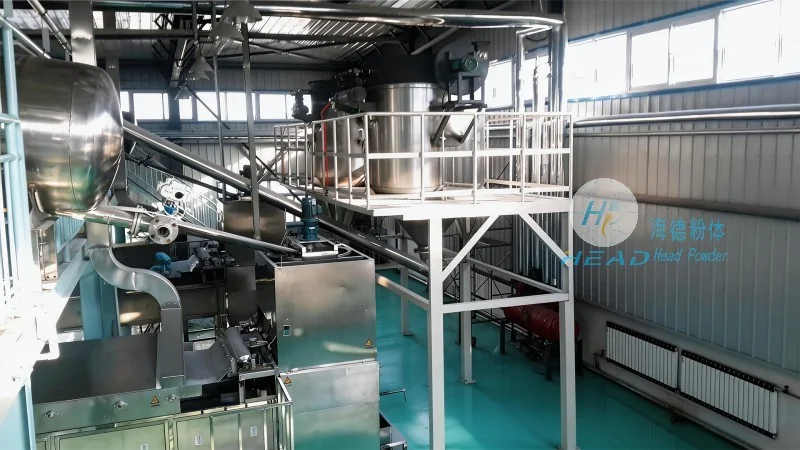
Understanding Pneumatic Conveying Systems
Pneumatic conveying systems are essential for transporting bulk materials from one location to another within industrial facilities. These systems utilize air or gas as the conveying medium, enabling the movement of powders, granules, and other particulate materials without the need for mechanical components like belts or screws. The core of a rapid material loading system lies in its ability to quickly and efficiently transfer large volumes of material, often under high pressure or vacuum conditions.
The Working Principle of Rapid Material Loading Pneumatic Conveying
The fundamental principle behind rapid material loading pneumatic conveying is the creation of a pressure differential between the material source and the destination. In a typical system, a blower or compressor generates high-pressure air, which is then introduced into the conveying line. As the air flows through the pipe, it draws material from the hopper or storage bin into the system. The material is then carried along the pipeline by the moving air stream, reaching the discharge point where it is deposited.
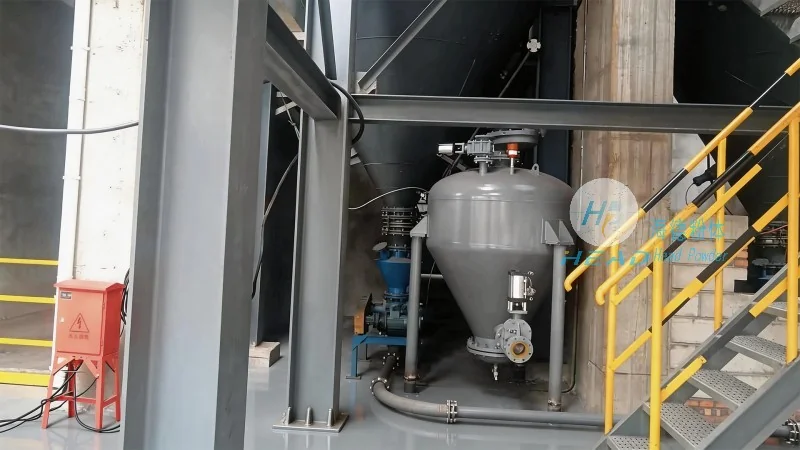
Key Components and Their Roles
Several critical components work in tandem to ensure the smooth operation of a rapid material loading pneumatic conveying system. These include the air compressor or blower, which provides the necessary pressure; the hopper or feeder, which holds the material and controls its flow; the conveying line, which transports the material and air; and the discharge device, which releases the material at the desired location. Each component is carefully designed to handle the specific characteristics of the material being conveyed, such as particle size, density, and moisture content.
Operation Process: Step-by-Step Overview
The operation process of a rapid material loading pneumatic conveying system involves several key steps. First, the material is fed into the hopper from the storage bin. The feeder then regulates the flow of material into the conveying line. Simultaneously, the blower generates high-pressure air, which is introduced into the system. As the air flows, it pulls the material from the hopper into the pipeline. The material is then transported to the discharge point, where it is deposited into the receiving container. The system continues to operate until the material source is depleted or the system is shut down.
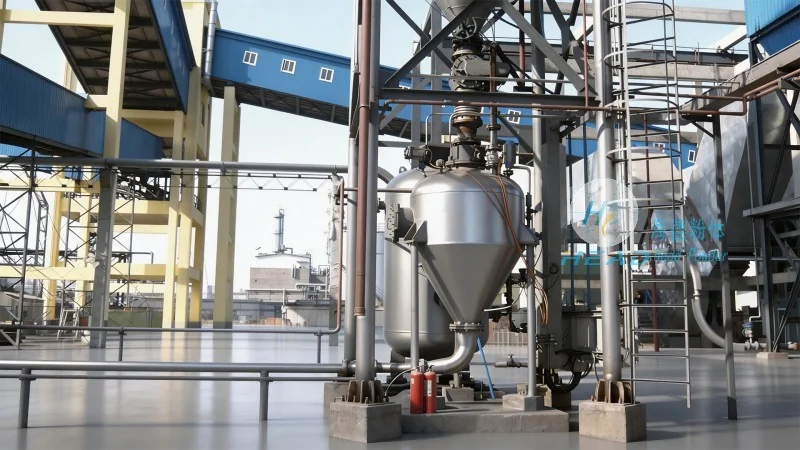
Advantages of Rapid Material Loading Pneumatic Conveying
Rapid material loading pneumatic conveying systems offer numerous advantages over traditional mechanical conveying methods. These include reduced labor costs, as the system can operate continuously without the need for manual handling; improved safety, as the material is contained within the pipeline, minimizing dust exposure and spillage; and increased efficiency, as the system can handle large volumes of material quickly and reliably. Additionally, these systems are highly flexible, allowing for easy integration into existing industrial processes and the ability to transport materials over long distances.
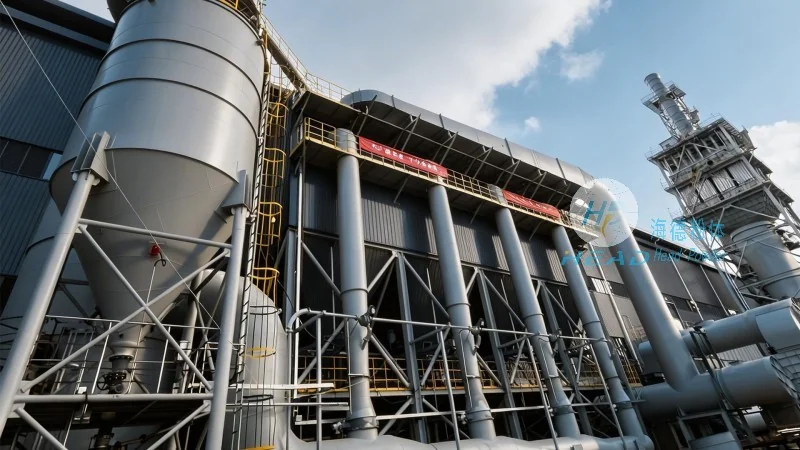
Applications in Industrial Settings
Rapid material loading pneumatic conveying systems are widely used in various industrial sectors, including pharmaceuticals, food processing, chemical manufacturing, and mining. In the pharmaceutical industry, these systems are used to transport raw materials and finished products with high precision and minimal contamination. In food processing, they are employed to handle powders and granules, ensuring compliance with hygiene and safety standards. In chemical manufacturing, they facilitate the transport of reactive materials while maintaining strict control over temperature and pressure. In mining operations, they are used to move bulk materials from storage to processing equipment, improving overall operational efficiency.
Conclusion
HeadPowder Engineering Co., Ltd., based in Shandong, China, is a trusted provider of rapid material loading pneumatic conveying systems. With a focus on innovation and customer satisfaction, the company designs and manufactures systems tailored to the specific needs of its clients. By understanding the operation process and working principles of these systems, industries can enhance their material handling capabilities, improve efficiency, and ensure compliance with industry standards. The rapid material loading pneumatic conveying system remains a vital component in modern industrial operations, offering a reliable and efficient solution for bulk material transport.