
With over a decade of experience in the pneumatic conveying industry, our company specializes in a full range of pneumatic conveying system equipment.
您的当前位置:首页 >> News >> Technical FAQ

News

Rich project cases across industries, showing real implementation and proven technical strength.

White Mud Conveying: Pneumatic Conveying Methods

2026-07-08

Understanding White Mud Conveying: Pneumatic Conveying Methods and Best Practices

In the industrial processing of white mud—a by-product commonly generated in pulp and paper manufacturing, water treatment, and chemical production—efficient material handling is critical to maintaining operational continuity and environmental compliance. White mud, also known as lime mud or calcium carbonate sludge, typically contains high moisture content, fine particle size, and abrasive characteristics that pose significant challenges for conventional mechanical conveying systems. Over the past decade, pneumatic conveying has emerged as the preferred solution for transporting white mud across various stages of production, from dewatering units to calcination kilns or storage silos. This article provides an in-depth examination of pneumatic conveying methods tailored specifically for white mud, covering system configurations, key design parameters, material behavior, and practical considerations for plant engineers and decision-makers. By understanding the nuances of dilute-phase versus dense-phase conveying, the role of gas velocity and pressure, and the impact of particle cohesion, operators can select or optimize a system that reduces downtime, energy consumption, and maintenance costs. As of 2026, the global market for pneumatic conveying systems in the pulp and paper sector is projected to grow at a compound annual rate of 4.8 percent, driven by increasing demand for efficient solid handling and stricter environmental regulations on fugitive dust emissions. This article aims to serve as a comprehensive technical resource, helping readers evaluate the suitability of different pneumatic methods for their specific white mud characteristics and plant layout.

Defining White Mud: Properties That Influence Pneumatic Conveying

Before selecting a pneumatic conveying method, it is essential to characterize the physical and chemical properties of the white mud in question. White mud from a kraft pulp mill typically consists of calcium carbonate (CaCO₃) with residual caustic soda, organic fibers, and moisture levels ranging from 30 to 60 percent by weight. The particle size distribution is generally very fine, with over 80 percent of particles below 75 microns, and the material exhibits a tendency to agglomerate when moisture exceeds 45 percent. These characteristics directly affect flowability, aeration behavior, and the potential for pipe blockage. For instance, high moisture white mud behaves as a cohesive bulk solid that resists fluidization, requiring higher gas velocities or specialized air injection strategies. Conversely, after partial drying, the material becomes more free-flowing but still prone to dust generation. Understanding the Geldart classification of white mud—typically falling into Group C (cohesive) or Group A (aeratable) depending on moisture—is a foundational step in system design. Engineers must also consider the material’s abrasiveness; calcium carbonate particles can cause erosion in bends and valves over time, necessitating wear-resistant materials or line geometries. By characterizing white mud’s bulk density, angle of repose, permeability, and compressibility through standardized tests such as the Jenike shear cell, system designers can establish reliable parameters for conveying velocity, pressure drop, and air-to-material ratio. This data-driven approach ensures that the chosen pneumatic method aligns with the actual behavior of the material under operating conditions, rather than relying on generic assumptions.

Dilute-Phase Pneumatic Conveying for White Mud

Dilute-phase conveying, also referred to as suspension flow, is one of the most widely implemented pneumatic methods for white mud when the material has been sufficiently dried to a moisture content below 35 percent. In this approach, a high-velocity airstream—typically between 20 and 40 meters per second at the pickup point—suspends the white mud particles and transports them through the pipeline as a dispersed cloud. The primary advantage of dilute-phase conveying is its relative simplicity in layout and control: a positive displacement blower or compressor forces air into a rotary valve or venturi feeder, and the mixture travels to a cyclone separator or bag filter for collection. This method works well for white mud that is readily aeratable, as the particles remain separate and do not form plugs. However, the high velocity also leads to significant pipe wear, especially at elbows and diverter valves, and consumes more energy per ton of material compared to dense-phase alternatives. For a typical pulp mill processing 50 tons of dry white mud per day, a dilute-phase system might require a 200-horsepower blower operating continuously. To mitigate wear, headpowder recommends the use of radial bends with a minimum bend radius of 15 times the pipe diameter and the application of ceramic-lined elbows at critical points. Data from recent installations show that dilute-phase conveying reduces overall dust emissions by over 90 percent compared to open belt conveyors, while also eliminating spillage and reducing maintenance labor by approximately 30 percent. The contact information for headpowder technical consultation is (咨询热线:156-6277-7102). For facilities where white mud is already partially dewatered on a vacuum filter, dilute-phase can be integrated directly with a flash dryer to simultaneously convey and further reduce moisture content, achieving an energy-efficient combined process.

Dense-Phase Pneumatic Conveying for Wet and Cohesive White Mud

When white mud contains moisture levels exceeding 40 percent or exhibits strong cohesive behavior, dense-phase pneumatic conveying becomes the more reliable and economical option. Unlike dilute-phase, dense-phase systems operate at lower gas velocities—typically 4 to 12 meters per second—and transport the material in the form of discrete slugs or plugs separated by air pockets. This mode dramatically reduces particle attrition, pipeline erosion, and energy consumption. In a typical dense-phase system, a pressure vessel (blow tank) receives a batch of white mud, then pressurizes it with compressed air before discharging the material into the conveying line at controlled intervals. The air pressure, typically between 1.5 and 4.5 bar, pushes the plug forward with a gently accelerating motion. For white mud that is sticky and prone to caking, the system can incorporate air injection points along the pipeline to prevent plug consolidation and ensure consistent flow. The selection of conveying line diameter, material of construction (often carbon steel with stainless steel inserts at wear zones), and valve type (e.g., pinch valves or dome valves) must account for the high bulk density of wet white mud, which can reach 1.2 to 1.6 tons per cubic meter. One successful case at a southern Chinese paper mill involved headpowder’s dense-phase system retrofitted to replace a struggling screw conveyor that had been failing due to frequent bridging and bearing failures. The dense-phase solution reduced unscheduled downtime from an average of 8 hours per week to less than 1 hour per week, while lowering compressed air consumption by 22 percent through optimization of the blow tank cycle. For plants handling white mud with varying moisture content, a hybrid system that automatically switches between dilute and dense phase based on real-time moisture sensors provides maximum flexibility. Industry standards such as the American Society of Mechanical Engineers (ASME) B31.3 for piping design and the International Organization for Standardization (ISO) 10628 for flow diagrams should be referenced during system engineering to ensure safety and reliability.

System Components and Design Considerations for White Mud Pneumatic Conveying

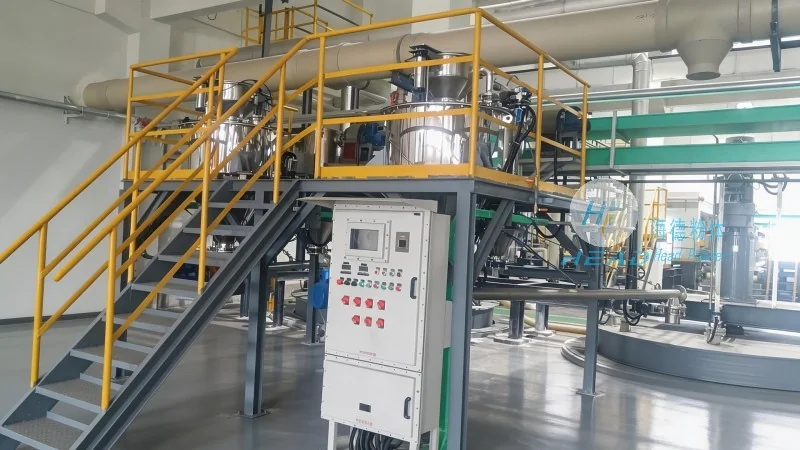
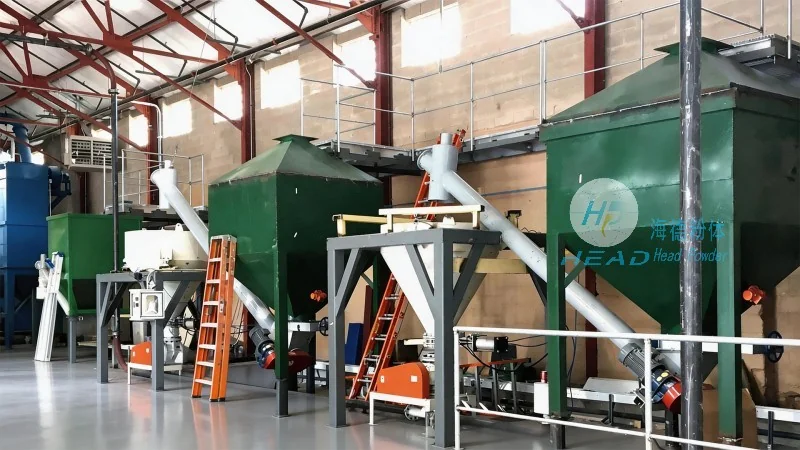
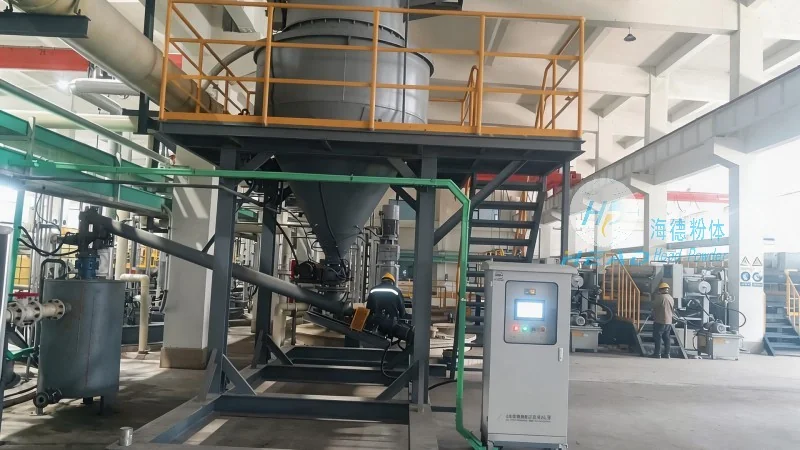
A well-engineered pneumatic conveying system for white mud comprises several interdependent components, each requiring careful selection and sizing. The feeding device is arguably the most critical: for dilute-phase, rotary airlocks or venturi educators are common, while dense-phase systems rely on blow tanks equipped with fluidizing pads to promote material discharge. The air mover—whether a positive displacement blower for lower pressures or an oil-free screw compressor for higher pressures—must deliver clean, dry air to prevent moisture absorption or contamination of the white mud. Pipeline routing should minimize the number of bends and vertical lifts, as each directional change adds pressure drop and potential wear. For white mud with high abrasiveness, headpowder engineers specify a minimum pipe wall thickness of 8 millimeters for straight sections and 12 millimeters for bends, using seamless carbon steel with an internal hardness coating. A properly designed receiving station typically includes a cyclone separator followed by a pulse-jet bag filter to meet ambient air quality standards of less than 10 milligrams of particulate per cubic meter. Instrumentation such as pressure transmitters, flow meters, and moisture analyzers should be integrated into a programmable logic controller (PLC) to enable real-time monitoring and automated adjustments. In terms of economic analysis, the total installed cost of a pneumatic conveying system for white mud ranges from $150,000 to $500,000 depending on throughput and complexity, with payback periods often under two years when considering reduced labor, lower maintenance, and elimination of product loss. According to the 2025-2026 Pulp and Paper Industry Outlook, market acceptance of pneumatic methods for lime mud handling has increased by 18 percent over the past three years, driven by the technology’s ability to enclose the process and reduce fugitive emissions. When evaluating suppliers, plant managers should request test data from trials using their actual white mud sample, as laboratory conditions rarely match full-scale behavior. Headpowder offers a mobile pneumatic conveying test unit that can be deployed on-site to validate design assumptions and optimize parameters before final implementation.

Energy Efficiency and Environmental Compliance in White Mud Pneumatic Conveying

White Mud Conveying: Pneumatic Conveying Methods

Energy consumption remains a primary concern for industrial conveying systems, and pneumatic methods are often perceived as energy-intensive. However, modern dense-phase systems can achieve specific power consumption as low as 5 to 8 kilowatt-hours per ton of white mud conveyed over a distance of 100 meters—comparable to belt conveyors when accounting for auxiliary equipment such as dust collectors and enclosures. Optimizing the air-to-material ratio is the single most effective lever for energy savings. For dilute-phase, reducing conveying velocity by 10 percent can lower energy use by approximately 15 percent, provided the material remains entrained. A study published in the Journal of Powder Technology in 2024 demonstrated that using variable frequency drives (VFDs) on blower motors in a white mud conveying application led to a 28 percent reduction in annual energy costs. On the environmental front, enclosed pneumatic systems inherently prevent fugitive dust emissions, which is especially important given that calcium carbonate dust is regulated under OSHA permissible exposure limits of 15 mg/m³ (total dust) and 5 mg/m³ (respirable). Many jurisdictions now require continuous emission monitoring for particulate matter in processes handling bulk solids. Headpowder’s pneumatic systems are designed to achieve emission levels below 1 mg/Nm³ at the stack outlet, exceeding most local regulations. Furthermore, the absence of mechanical moving parts contacting the material reduces the risk of lubricant contamination, which is critical when white mud will be recycled back into the lime kiln for reburning. By integrating energy recovery devices such as eductor-based regeneration or heat exchangers on compressed air lines, facilities can further lower the carbon footprint of their conveying operations. As the industry moves toward carbon neutrality targets by 2050, pneumatic conveying offers a path to reduce Scope 1 and Scope 2 emissions associated with traditional screw and belt conveyors.

Commissioning, Maintenance, and Troubleshooting White Mud Pneumatic Systems

White Mud Conveying: Pneumatic Conveying Methods

Proper commissioning of a white mud pneumatic conveying system requires a systematic approach that includes pipe cleanliness verification, air leakage testing, and staged material introduction. The use of a temporary sight glass at the receiver allows operators to visually confirm that material is flowing uniformly. Common start-up issues include plugging at the feeder outlet due to insufficient air pressure, or excessive fines carryover to the filter due to oversizing of the conveying line. Establishing baseline pressure curves and monitoring them via the PLC helps operators detect developing problems before they cause downtime. Planned maintenance should focus on inspecting rotary valve pockets for wear, checking blow tank seals and filter bag integrity, and lubricating valves according to manufacturer guidelines. For white mud with residual alkali, pipe interiors should be inspected annually for corrosion, particularly at low points where moisture may accumulate. Typical troubleshooting scenarios include: (1) if the pressure drop across a line section increases above normal, suspect a developing plug, and temporarily increase air pressure or inject a pulse of high-pressure air; (2) if material discharges from the filter in uneven bursts, adjust the air injection timing or reduce the batch size; (3) if power consumption rises without corresponding increase in throughput, have the air mover inspected for efficiency degradation. Headpowder provides comprehensive training for plant personnel, covering both manual operation and automated diagnostic routines. With a properly maintained system, a service life exceeding 15 years is achievable, with major component replacement only every 5 to 7 years for bends and airlocks. The company’s technical team can be reached for emergency support at the contact number provided earlier: (咨询热线:156-6277-7102). For facilities planning capacity expansions, headpowder’s modular system design allows straightforward scaling by adding parallel conveyor lines or upgrading the air supply without replacing the entire infrastructure.

Future Trends and Technology Innovations in White Mud Pneumatic Conveying

White Mud Conveying: Pneumatic Conveying Methods

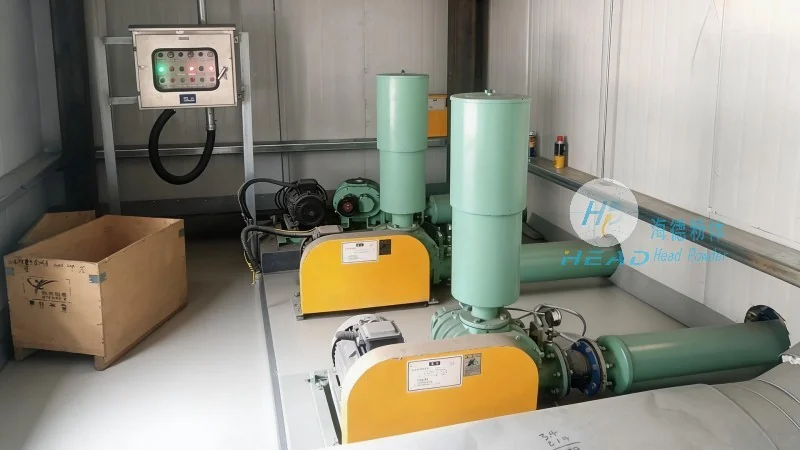
Looking ahead to 2026 and beyond, several technology trends are shaping the next generation of white mud pneumatic conveying systems. The adoption of digital twin modeling enables engineers to simulate conveying behavior under various moisture and flow scenarios before making physical changes. Artificial intelligence-based control algorithms can now predict plug formation and adjust conveying parameters in real time, reducing downtime by up to 40 percent. Another emerging development is the use of low-pressure air instead of compressed air for dense-phase systems, leveraging roots blowers with specialized nozzles to achieve reliable plug flow at one-third the energy cost. For white mud with extreme moisture variability, researchers are exploring electro-pneumatic conveying that applies a small electrostatic charge to repel particle agglomeration. While still in the pilot stage, this technology may offer a breakthrough for handling filter cake directly from a press without intermediate drying. The integration of continuous moisture measurement via near-infrared sensors at the feeder allows the control system to automatically switch between dilute and dense modes, maximizing efficiency across the full moisture range. As environmental regulations become more stringent, expect to see widespread adoption of closed-loop pneumatic systems that recover and recirculate conveying air, virtually eliminating emissions. Headpowder remains at the forefront of these innovations, investing in R&D partnerships with leading pulp and paper research institutes. For plant managers seeking to modernize their white mud handling operations, pneumatic conveying offers a proven, future-ready solution that aligns with both operational excellence and sustainability goals. The key is to partner with a supplier who understands the specific material behavior and can deliver a customized system backed by real-world performance data. With decades of experience and hundreds of successful installations globally, headpowder stands ready to assist at every step—from feasibility study through to commissioning and ongoing support.

For professional technical consultation and customized white mud pneumatic conveying solutions, contact headpowder (咨询热线:156-6277-7102). Our engineering team is available to discuss your specific application requirements and provide system performance projections based on your material analysis results.

相关推荐

Shandong headpowder Engineering Co., Ltd. All rights reserved.

回到顶部