

Fluorite Conveying Methods: Pneumatic Conveying Advantages and Features Overview
Fluorite, also known as calcium fluoride (CaF₂), is a widely used industrial mineral with applications in various sectors such as metallurgy, glass manufacturing, and chemical production. The efficient and safe transportation of fluorite is crucial for industrial operations, and different conveying methods are employed based on the specific requirements of the process. This article provides an overview of the common fluorite conveying methods, with a particular focus on the advantages and features of pneumatic conveying technology.
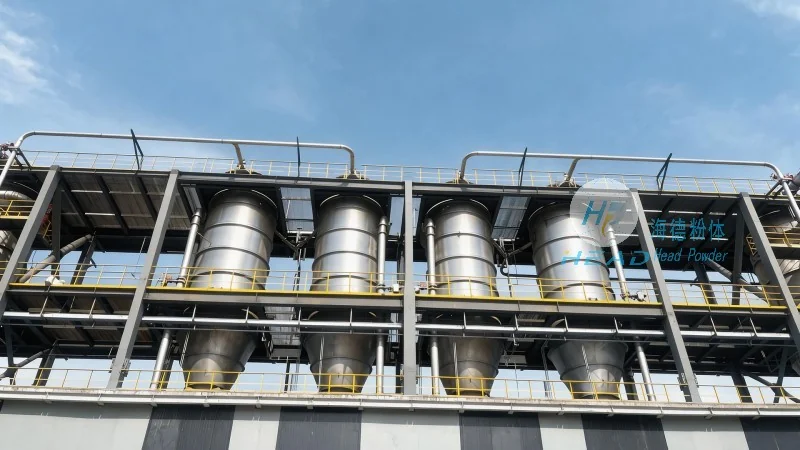
Understanding Fluorite Conveying Methods
Fluorite is typically handled as a dry powder or granular material, and the choice of conveying method depends on factors like material properties, distance, volume, and environmental considerations. Traditional methods include mechanical conveyors like belt conveyors, screw conveyors, and bucket elevators. However, these methods may face challenges with dusty environments, material segregation, and high energy consumption. In contrast, pneumatic conveying offers a more flexible and efficient solution for fluorite transportation.
Pneumatic Conveying: A Comprehensive Overview
Pneumatic conveying is a technology that uses air or other gases to transport bulk materials through a pipeline system. It is particularly suitable for fluorite due to its ability to handle fine powders and prevent material degradation. The system typically consists of a material feed hopper, a conveyor line, and a discharge unit, with air being supplied by a blower or compressor. There are two main types of pneumatic conveying: dilute phase and dense phase. Dilute phase systems use low air velocity to move material in a suspended state, while dense phase systems use higher air velocity to push material in a slurry-like state, reducing particle breakage and improving material integrity.
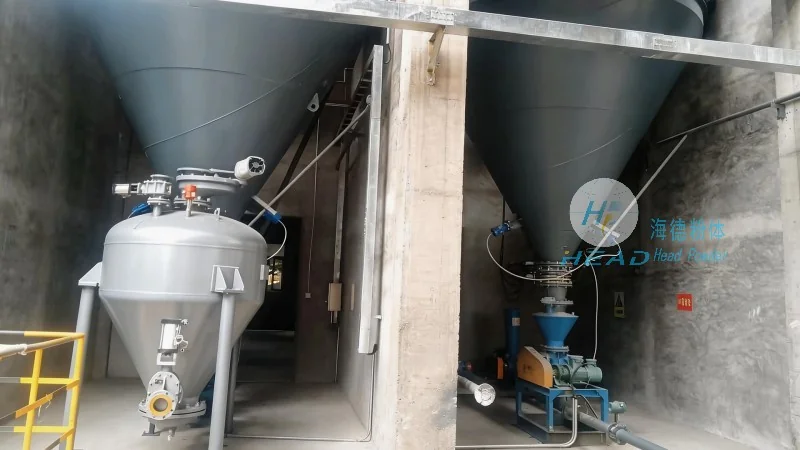
Advantages of Pneumatic Conveying for Fluorite
One of the key advantages of pneumatic conveying for fluorite is its ability to handle fine and abrasive materials without causing excessive wear on equipment. Fluorite particles are often small and have a high density, which can lead to wear on mechanical components in traditional conveyors. Pneumatic systems, especially dense phase designs, minimize particle impact and abrasion, extending the service life of the conveying equipment. Additionally, pneumatic conveying offers better control over material flow, allowing for precise dosing and reduced material loss. This is particularly important in processes where fluorite is used as a raw material, as even small variations in feed rate can impact product quality.
Key Features of Pneumatic Conveying Systems
Modern pneumatic conveying systems for fluorite are designed with several features that enhance their performance and reliability. One such feature is the use of flexible hoses or rigid pipelines, which can be installed in various configurations to accommodate complex plant layouts. The systems are also equipped with dust collection and filtration units to maintain a clean and safe working environment. This is crucial as fluorite dust can be hazardous if inhaled, and proper ventilation is essential to comply with occupational health and safety regulations. Furthermore, advanced control systems allow for real-time monitoring of material flow rates, air pressure, and system performance, enabling operators to quickly identify and address any issues that may arise.
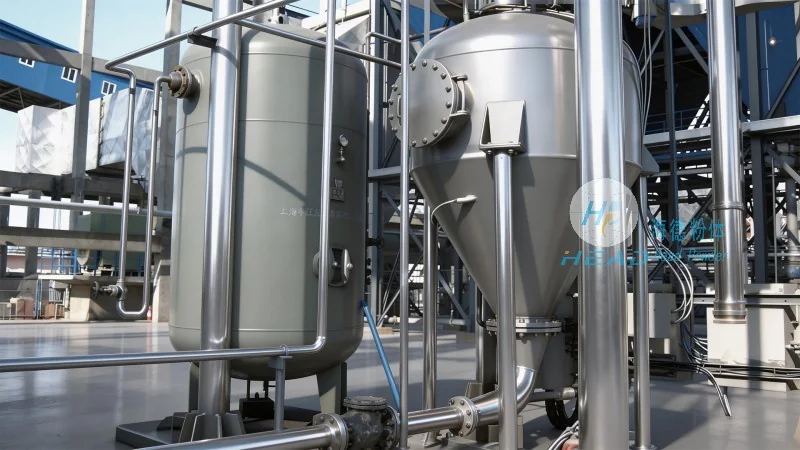
Application Examples in Industrial Settings
The benefits of pneumatic conveying are evident in various industrial applications involving fluorite. For instance, in glass manufacturing, fluorite is used as a flux to lower the melting point of silica. The material is transported from storage silos to the glass furnace using a pneumatic system, ensuring a consistent and controlled feed rate. In metallurgical processes, fluorite is used as a flux in steelmaking and aluminum production. The dense phase pneumatic conveyor can handle the high-volume and high-density fluorite feed required for these processes, minimizing material degradation and improving overall efficiency. Another example is in chemical production, where fluorite is used as a raw material for the production of hydrofluoric acid. The pneumatic system ensures that the fluorite is delivered to the reaction vessel in a controlled manner, preventing any blockages or spills that could affect the chemical process.
Conclusion and Company Information
Pneumatic conveying has emerged as a preferred method for the transportation of fluorite due to its efficiency, flexibility, and ability to handle the material's properties effectively. By reducing wear and improving material integrity, pneumatic systems contribute to lower operational costs and higher product quality. As industrial processes continue to evolve, the demand for advanced conveying solutions will remain high, and companies like Shandong HeadPowder Engineering Co., Ltd. are at the forefront of developing and implementing such technologies. With a focus on innovation and customer satisfaction, HeadPowder provides customized pneumatic conveying solutions tailored to the specific needs of fluorite handling operations, ensuring safe and efficient material transport in various industrial applications.