

Lithium Oxide Conveying Methods: An Overview of the Advantages and Features of Pneumatic Conveying
When it comes to the handling and transportation of lithium oxide, selecting the right conveying method is crucial for ensuring efficiency, safety, and cost-effectiveness in industrial operations. Lithium oxide, a key material in various industries including battery manufacturing, ceramics, and pharmaceuticals, requires specialized handling due to its chemical properties and potential hazards. This article explores the primary conveying methods for lithium oxide, with a particular focus on the advantages and characteristics of pneumatic conveying systems, as presented by Shandong HeadPowder Engineering Co., Ltd., a leading provider in the field.
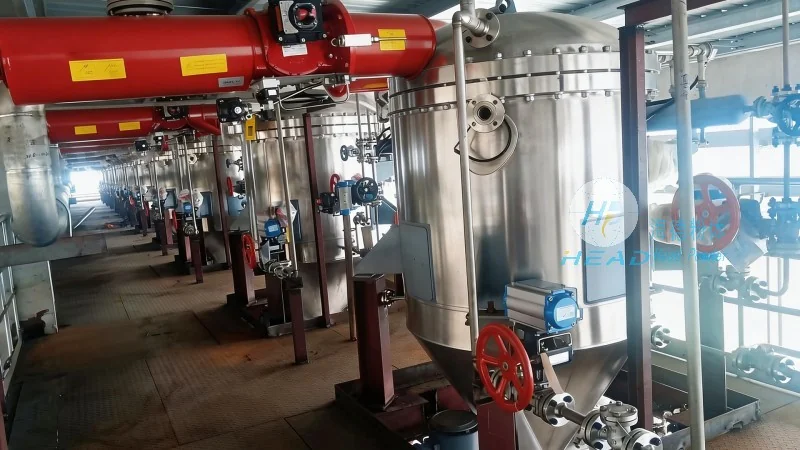
Lithium Oxide Conveying Methods Overview
There are several common methods used for transporting lithium oxide, each with its own set of applications and limitations. The most prevalent approaches include mechanical conveying systems, such as belt conveyors and screw conveyors, and pneumatic conveying systems, which utilize air or other gases to move material through a pipeline. Mechanical systems are often preferred for bulk materials with low moisture content and minimal dust generation, while pneumatic systems excel in handling fine powders and materials that are sensitive to moisture or contamination.
Pneumatic Conveying: The Preferred Solution for Lithium Oxide
Among the various conveying methods, pneumatic conveying stands out as the most effective and efficient solution for lithium oxide. This technology involves transporting the material through a sealed pipeline using compressed air or other gases, eliminating the need for direct contact with mechanical components. The advantages of pneumatic conveying for lithium oxide are numerous and significant, making it the preferred choice for many industrial applications.
Key Advantages of Pneumatic Conveying for Lithium Oxide
First and foremost, pneumatic conveying offers superior control over material flow and pressure, ensuring consistent and reliable transport. This is particularly important for lithium oxide, which can be sensitive to variations in temperature and moisture. The enclosed system also minimizes the risk of dust exposure and environmental contamination, enhancing workplace safety and compliance with regulatory standards. Additionally, pneumatic systems are highly flexible, allowing for easy integration with existing production lines and the ability to transport materials over long distances without the need for multiple transfer points.
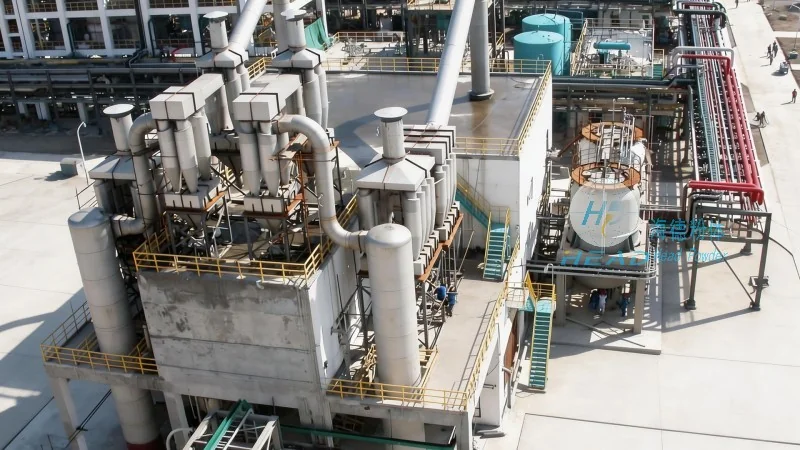
Another critical advantage is the ability to handle fine and abrasive powders like lithium oxide without causing excessive wear on equipment. Traditional mechanical conveyors may suffer from increased maintenance costs and reduced lifespan due to the abrasive nature of the material. In contrast, pneumatic conveying systems are designed to withstand the rigors of handling such materials, resulting in lower operational costs and longer equipment life. Furthermore, the enclosed nature of pneumatic systems helps maintain the purity of the lithium oxide, preventing contamination from external sources and ensuring that the material remains in its optimal condition for downstream processing.
Features and Technical Specifications of Pneumatic Conveying Systems
Shandong HeadPowder Engineering Co., Ltd. specializes in designing and manufacturing customized pneumatic conveying systems tailored to the specific needs of lithium oxide applications. These systems typically include components such as feeders, air movers (blowers or compressors), pipelines, and receivers. The choice of air mover depends on the material's properties, with positive displacement blowers often preferred for fine powders due to their ability to generate high pressure and maintain consistent airflow. The pipeline design is critical, as it must be constructed from materials that are resistant to corrosion and chemical attack, such as stainless steel or specialized plastics, to ensure long-term durability and material integrity.
The control systems in modern pneumatic conveying systems are sophisticated, allowing for precise regulation of air pressure, flow rate, and material feed rate. This level of control is essential for maintaining the quality of the lithium oxide and preventing issues such as clogging or uneven distribution. Additionally, advanced monitoring and diagnostic tools are integrated into the systems, enabling real-time performance tracking and proactive maintenance to minimize downtime and maximize operational efficiency.
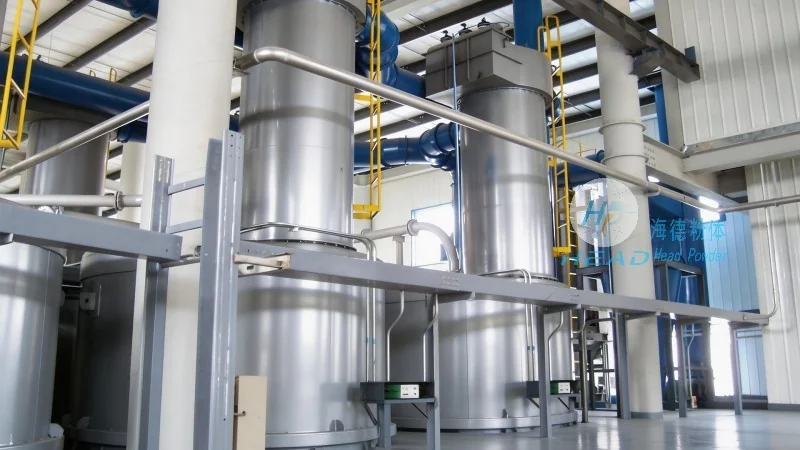
Application Examples and Case Studies
The effectiveness of pneumatic conveying for lithium oxide is demonstrated in various industrial applications. For instance, in battery manufacturing facilities, lithium oxide is often transported from storage silos to mixing and processing equipment. The use of a pneumatic conveying system allows for seamless integration with automated production lines, ensuring that the material is delivered in a controlled manner, reducing the risk of spills or contamination. Similarly, in pharmaceutical and chemical plants, where the purity of lithium oxide is paramount, pneumatic systems provide a clean and hygienic method of transport, meeting stringent regulatory requirements.
Case studies from Shandong HeadPowder Engineering Co., Ltd. have shown significant improvements in operational efficiency and cost savings for clients using pneumatic conveying systems for lithium oxide. By reducing the need for manual handling and minimizing material loss due to dust, these systems have helped companies achieve higher productivity and lower maintenance expenses. The flexibility of the systems also allows for easy adaptation to changing production needs, providing a long-term solution for lithium oxide transportation.
Conclusion and Company Profile
In conclusion, pneumatic conveying is the most suitable and efficient method for transporting lithium oxide, offering numerous advantages over traditional mechanical systems. The enclosed, controlled environment of pneumatic systems ensures the material's purity, enhances workplace safety, and reduces operational costs. Shandong HeadPowder Engineering Co., Ltd., with its expertise in customizing and manufacturing advanced pneumatic conveying solutions, is a trusted partner for industries relying on lithium oxide. By leveraging the benefits of pneumatic conveying, companies can optimize their lithium oxide handling processes, improve overall operational efficiency, and maintain compliance with industry standards.