

Principles and Working Scene Characteristics of Dry Sand Material Conveying
HeadPowder, a leading provider of material handling solutions, specializes in the design and implementation of efficient dry sand conveying systems. This article explores the fundamental principles behind dry sand material conveying and highlights key working scene characteristics that define its practical applications in various industries.
Understanding Dry Sand Material Conveying Principles
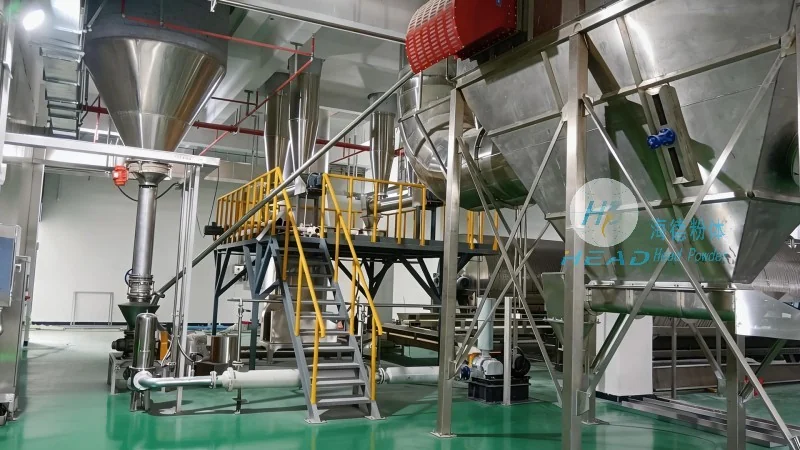
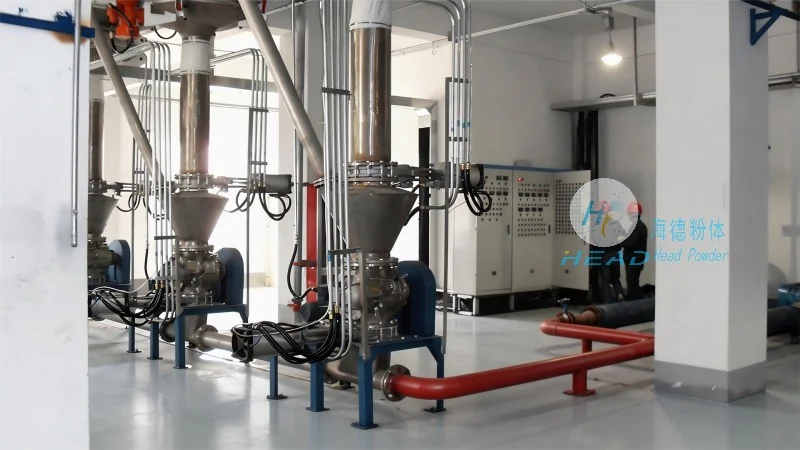
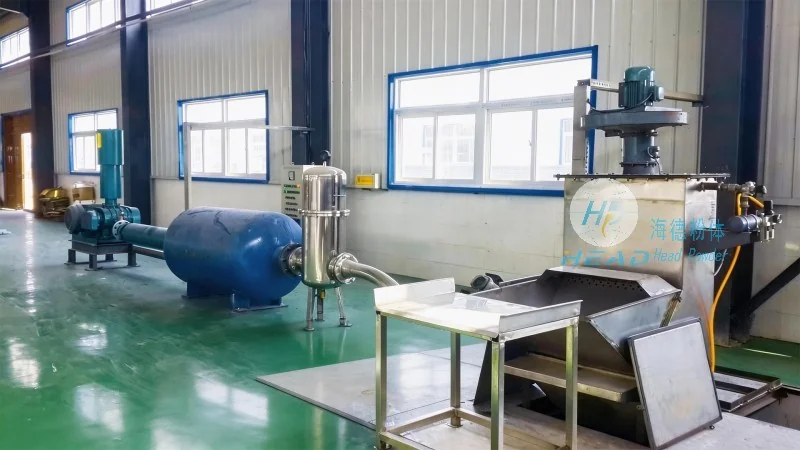
Dry sand material conveying relies on mechanical systems to transport loose, granular materials like sand without the need for additional binding agents or water. The core principle involves using equipment such as screw conveyors, belt conveyors, or pneumatic conveying systems to move dry sand from one location to another. These systems are engineered to handle the unique properties of dry sand, including its particle size, density, and flow characteristics. The efficiency of dry sand conveying is determined by factors like the conveyor's speed, inclination, and the material's bulk density. Proper design ensures minimal material degradation and consistent flow, which are critical for maintaining product quality and operational efficiency.
Key Working Scene Characteristics of Dry Sand Conveying
Dry sand material conveying is widely used in industrial settings where the transportation of bulk dry materials is essential. The working scene characteristics of these systems include high-volume material handling, often in construction, mining, and manufacturing industries. These applications require conveyors that can operate continuously with minimal downtime, ensuring steady supply of raw materials to processing units. The systems are typically installed in environments where space is optimized, with considerations for dust control and material containment. In construction sites, for example, dry sand conveying systems are used to transport sand from stockpiles to mixing stations, improving workflow and reducing manual labor. In mining operations, these systems help move sand from extraction sites to processing facilities, enhancing productivity and safety by automating material transport.
HeadPowder's Expertise in Dry Sand Conveying Solutions
Shandong HeadPowder Engineering Co., Ltd., with its headquarters in Shandong, China, offers tailored dry sand conveying solutions that address the specific needs of each client. The company's expertise lies in designing systems that balance efficiency, durability, and cost-effectiveness. By leveraging advanced engineering and material science, HeadPowder ensures that its conveying systems can handle the challenges posed by dry sand, such as particle segregation and flow variability. The company's team of engineers works closely with clients to understand their operational requirements, providing customized solutions that meet industry standards and regulatory requirements. Whether for small-scale projects or large industrial operations, HeadPowder's dry sand conveying systems are built to deliver reliable performance and long-term value.
Applications and Benefits in Diverse Industries
Dry sand material conveying finds applications across multiple sectors, each benefiting from the efficiency and reliability of these systems. In the construction industry, the ability to transport sand quickly and accurately is crucial for maintaining project timelines. HeadPowder's systems help construction companies streamline their material supply chain, reducing delays and costs associated with manual handling. In the mining sector, dry sand conveying plays a vital role in processing raw materials, ensuring that sand is moved efficiently from extraction to processing stages. The systems also contribute to environmental sustainability by minimizing waste and reducing the need for additional processing steps. Additionally, in manufacturing industries, dry sand conveying is used in the production of concrete, ceramics, and other materials that require precise sand composition. The consistent quality of the conveyed sand ensures that end products meet the required specifications, enhancing product reliability and customer satisfaction.
Conclusion: The Role of Dry Sand Conveying in Modern Material Handling
As industries continue to demand more efficient and reliable material handling solutions, dry sand material conveying remains a critical technology. The principles and working scene characteristics of these systems have evolved to meet the needs of modern operations, with advancements in equipment design and material handling techniques. HeadPowder, as a trusted partner in material handling, continues to innovate and provide solutions that enhance operational efficiency and product quality. By understanding the unique requirements of dry sand and implementing tailored conveying systems, companies can achieve significant improvements in productivity and cost reduction. The future of dry sand material conveying lies in continued innovation and integration with other material handling technologies, ensuring that it remains a cornerstone of efficient industrial operations.