

Principles and Working Scene Characteristics of Fine Chemical Material Handling
Understanding the principles and characteristics of fine chemical material handling is crucial for industries that rely on precise and efficient transport of sensitive substances. This article explores the fundamental mechanisms behind material transport, alongside the specific scenarios where these systems are applied, with a focus on the expertise of Shandong HeadPowder Engineering Co., Ltd., a leading provider based in China.
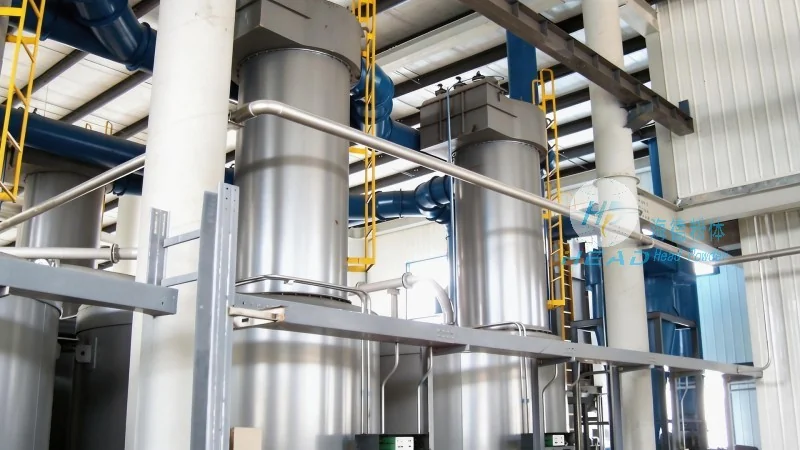
Core Principles of Fine Chemical Material Handling
Fine chemical material handling involves the movement of substances with specific properties, such as low particle size, high viscosity, or sensitivity to environmental factors. The primary goal is to ensure safe, clean, and efficient transport while maintaining product integrity. Key principles include selecting appropriate equipment based on material characteristics, controlling flow rates to prevent degradation, and implementing systems that minimize contamination. For example, in handling powders with fine particles, air-separation or vacuum systems may be used to avoid clogging and ensure uniform flow. Similarly, viscous liquids might require positive displacement pumps to maintain consistent pressure and flow. The choice of material for pipelines and equipment also plays a critical role, as certain chemicals can corrode or react with standard materials, necessitating specialized alloys or food-grade components.
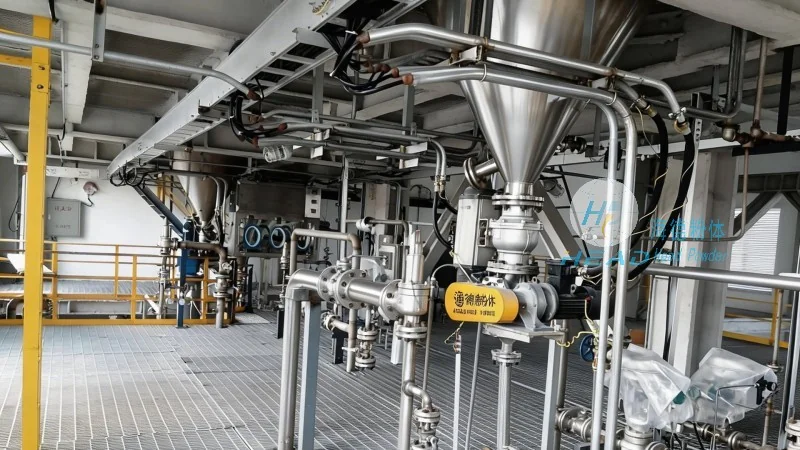
Working Scene Characteristics in Industrial Applications
The application scenarios for fine chemical material handling vary widely across industries, each presenting unique challenges and requirements. In pharmaceutical manufacturing, for instance, the systems must adhere to stringent GMP (Good Manufacturing Practice) standards, emphasizing hygiene, sterility, and traceability. This often involves the use of stainless steel, PTFE-lined components, and closed-loop systems to prevent cross-contamination. In contrast, the chemical industry may require more robust solutions capable of handling aggressive or hazardous materials, including explosion-proof designs and corrosion-resistant materials like Hastelloy or titanium. The food and beverage sector demands equipment that meets sanitary standards, with smooth surfaces and easy-to-clean designs to maintain product quality and regulatory compliance. Additionally, in research and development environments, flexibility and precision are paramount, allowing for the handling of small batches and varying compositions.
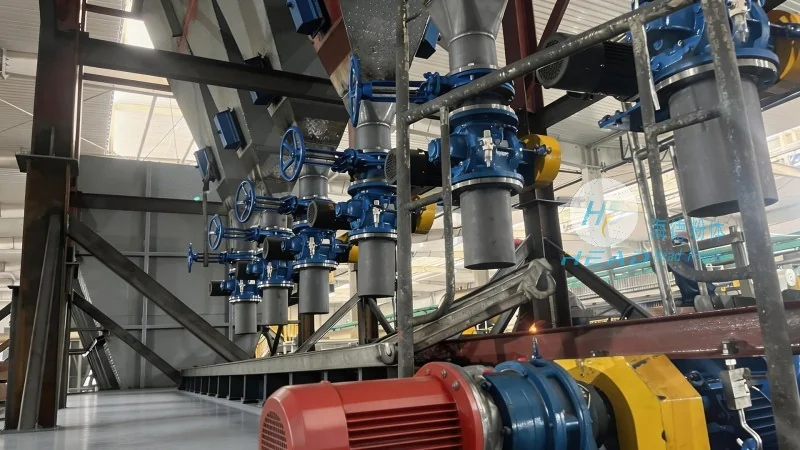
System Integration and Process Optimization
Effective fine chemical material handling systems are not standalone components but integrated solutions that optimize the entire production process. This includes coordination with upstream processes, such as mixing and storage, and downstream operations like packaging and quality control. Automation plays a vital role in enhancing efficiency and reducing human error, with sensors monitoring flow rates, pressure, and temperature in real-time. Control systems can adjust parameters dynamically to maintain optimal conditions, ensuring consistent product quality. Moreover, the integration of data management tools allows for tracking material movement, facilitating traceability and compliance with regulatory requirements. For Shandong HeadPowder Engineering Co., Ltd., this approach is central to their design philosophy, which emphasizes custom solutions tailored to each client's specific needs and operational environment.
Challenges and Solutions in Material Handling
Despite advancements in technology, fine chemical material handling still faces challenges related to material variability, system reliability, and environmental sustainability. One common issue is the agglomeration or caking of powders, which can lead to blockages and uneven flow. Solutions include the use of agitators, fluidization techniques, and anti-caking agents to maintain material properties. Another challenge is the need for systems that can handle both liquid and solid phases in the same process, requiring multi-phase transport solutions. Advanced pump technologies, such as diaphragm or peristaltic pumps, are often employed to address these needs. Additionally, energy efficiency is a growing concern, with industries seeking to reduce operational costs and environmental impact. This has led to the development of more energy-efficient motors and optimized system designs that minimize power consumption without compromising performance.
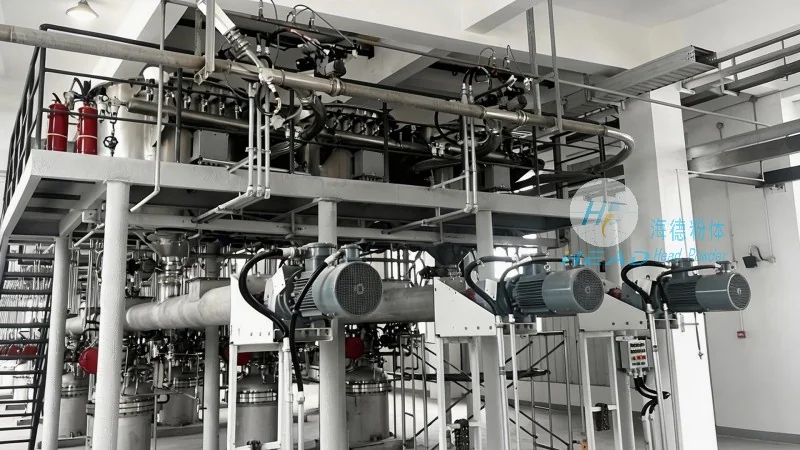
Conclusion and Company Expertise
In conclusion, the principles and working scene characteristics of fine chemical material handling are multifaceted, requiring a deep understanding of material science, engineering, and industrial processes. The systems must be tailored to the specific requirements of each application, balancing efficiency, safety, and compliance. Shandong HeadPowder Engineering Co., Ltd., with its headquarters in Shandong, China, has established itself as a trusted partner in providing customized fine chemical material handling solutions. By leveraging advanced technology and a customer-centric approach, the company ensures that its clients can achieve reliable, efficient, and cost-effective material transport, supporting their operational success in diverse industries.