

Principles and Working Scene Characteristics of Bulk Bag Material Handling
For industries dealing with bulk materials, efficient and reliable material handling is crucial. This article explores the principles and working scene characteristics of bulk bag (FIBC) material transport, highlighting how companies like Shandong HeadPowder Engineering Co., Ltd. leverage advanced solutions to optimize material handling processes.
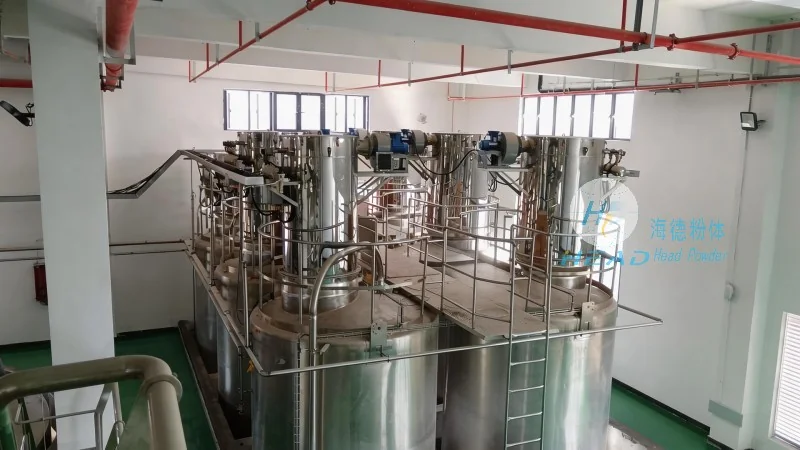
Understanding Bulk Bag Material Handling Principles
Bulk bag material handling involves the transportation, storage, and transfer of goods in flexible intermediate bulk containers (FIBCs), commonly known as ton bags. These containers are designed to hold large quantities of dry bulk materials, offering a cost-effective alternative to traditional packaging methods. The core principle of bulk bag handling is to ensure safe, efficient, and automated movement of materials from storage to processing or distribution points. Key components of this system include lifting mechanisms, discharge systems, and conveyor integration, all working in tandem to streamline material flow. The design of bulk bags, with their reinforced edges and bottom discharge features, allows for easy emptying and reduces material residue, enhancing operational efficiency. Additionally, the use of durable materials, such as polypropylene or polyester, ensures resistance to wear and tear, extending the lifespan of the containers and reducing replacement costs.
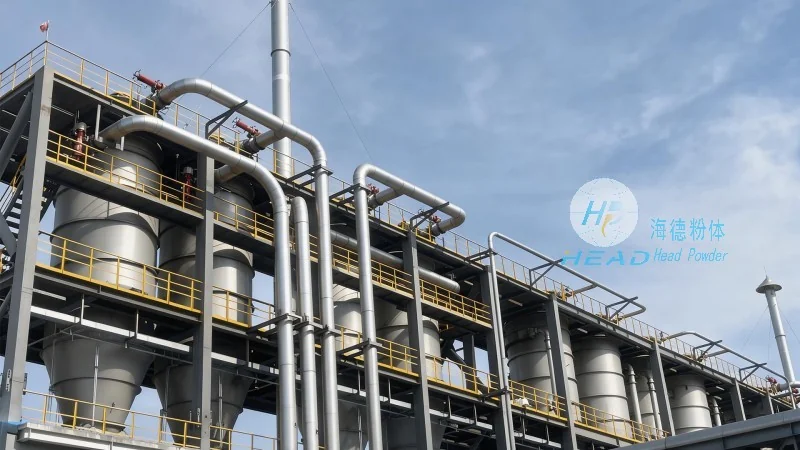
Working Scene Characteristics of Bulk Bag Material Handling
The application scenarios of bulk bag material handling vary across industries, each with unique requirements that dictate the choice of handling equipment and systems. In manufacturing plants, bulk bags are used to transport raw materials such as powders, granules, and pellets, where automated conveyor systems and robotic lifting devices are integrated to minimize manual handling. For example, in a chemical plant, bulk bags are used to handle sodium chloride and other chemicals, with the handling system including dust control measures to prevent contamination. In construction sites, bulk bags are employed for transporting cement, sand, and other building materials, where heavy-duty lifting equipment and mobile discharge units are essential to handle the high volume and weight of materials. The working scene characteristics also include environmental factors, such as indoor or outdoor storage, which influence the selection of weather-resistant bulk bags and protective handling systems. In outdoor storage, for instance, UV-resistant bulk bags are used to prevent material degradation from sunlight, while indoor storage allows for the use of standard bulk bags with minimal protection. The need for dust control and material containment is critical in industries like food processing and pharmaceuticals, where bulk bags must meet stringent hygiene standards. Companies like Shandong HeadPowder Engineering Co., Ltd. specialize in customizing bulk bag handling solutions to meet these diverse requirements, ensuring compliance with industry regulations and operational efficiency. Their solutions often include features such as bag covers, ventilation systems, and sealed discharge mechanisms to maintain a clean and safe working environment.
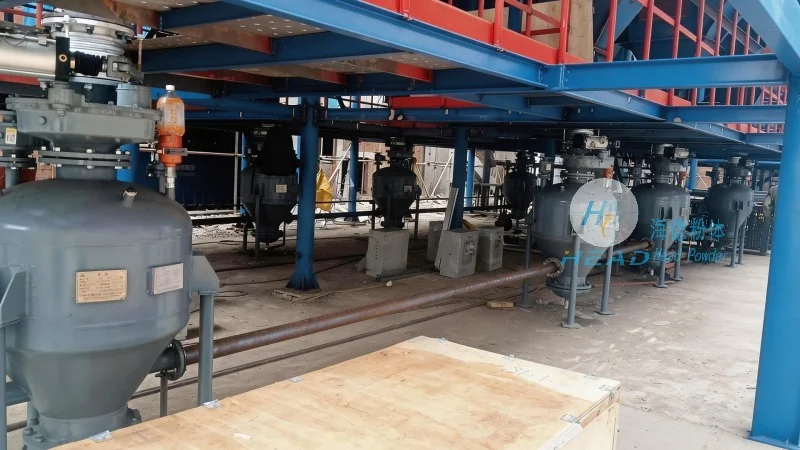
Key Features of Bulk Bag Handling Systems
Modern bulk bag handling systems incorporate several key features that enhance performance and safety. Automated lifting and positioning systems, such as forklift attachments or crane-mounted spreaders, allow for precise placement of bulk bags in storage or processing areas. These systems use sensors to detect the bag's position and adjust the lifting mechanism accordingly, ensuring accurate placement and reducing the risk of damage. Discharge systems, including bottom spouts and valve mechanisms, enable controlled release of materials, reducing spillage and waste. For example, a bottom spout with a valve allows for gradual discharge of materials, preventing overfilling and ensuring consistent material flow. Conveyor integration, whether via belt or screw conveyors, facilitates the seamless transfer of materials from bulk bags to downstream equipment. The integration of conveyors with bulk bag handling systems ensures a continuous material flow, minimizing downtime and increasing throughput. Additionally, material handling systems often include dust suppression and containment measures, such as bag covers and ventilation systems, to maintain a safe working environment. The use of sensors and automation technology further improves efficiency by monitoring bag weight, position, and discharge status, providing real-time data for process optimization. For instance, weight sensors can detect when a bulk bag is empty and trigger the next loading process, while position sensors ensure the bag is correctly aligned for discharge. These features collectively contribute to reduced labor costs, increased throughput, and improved material quality in bulk handling operations. The durability and reliability of these systems are further enhanced by the use of high-quality components, such as stainless steel discharge valves and reinforced lifting straps, which are designed to withstand heavy loads and harsh operating conditions.
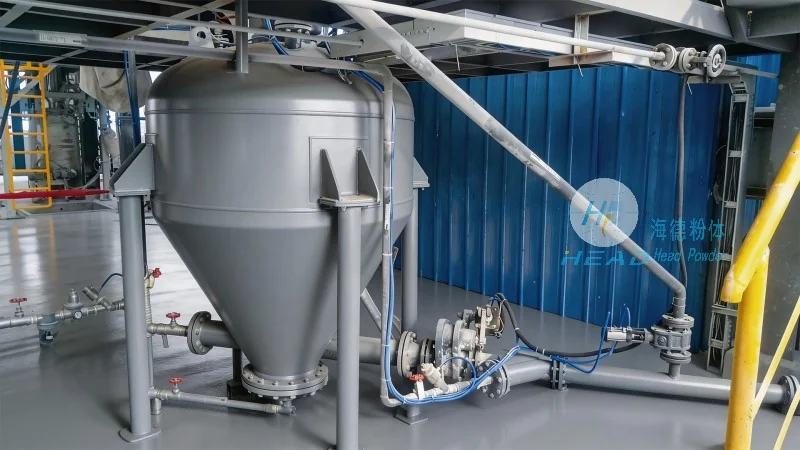
Case Studies and Industry Applications
Real-world applications of bulk bag material handling demonstrate the versatility and effectiveness of these systems. In a food processing facility, Shandong HeadPowder Engineering Co., Ltd. implemented an automated bulk bag handling system to transport flour and sugar. The system included robotic lifting devices and conveyor integration, reducing manual handling by 70% and improving material accuracy by 95%. The automated lifting system used vision sensors to detect the position of the bulk bag, ensuring precise placement on the conveyor. The discharge system, equipped with a stainless steel valve, controlled the flow of flour, preventing clogging and maintaining a consistent output. The result was a 40% reduction in material waste and a 50% increase in operational speed. In a construction company, the same technology was used to handle bulk cement, with mobile discharge units enabling on-site storage and distribution. The mobile units were equipped with hydraulic lifting mechanisms and discharge valves, allowing for easy movement and controlled discharge of cement. The working scene characteristics, such as the need for high-volume handling and strict hygiene standards, were addressed through customized systems that met specific industry requirements. The construction company reported a 30% reduction in labor costs and a 25% increase in project efficiency. These case studies highlight the importance of tailored bulk bag handling solutions in optimizing material flow and enhancing overall productivity. The working scene characteristics, such as the need for high-volume handling and strict hygiene standards, are addressed through customized systems that meet specific industry requirements. The integration of advanced technology and customized solutions ensures that bulk bag handling systems are adapted to the unique needs of each industry, resulting in improved operational performance and cost savings.