

Common Sesame Conveying Methods: A Comparative Analysis of Advantages and Disadvantages
When it comes to handling sesame seeds efficiently in industrial settings, selecting the right conveying method is crucial for maintaining product quality, operational efficiency, and cost-effectiveness. Sesame seeds, with their delicate texture and varying sizes, require specialized equipment to ensure smooth and gentle movement from one stage of processing to another. This article provides a detailed comparison of common sesame conveying methods, highlighting their advantages and disadvantages to help businesses make informed decisions.
Introduction to Sesame Conveying Systems
Sesame seeds are widely used in food processing, oil extraction, and other industrial applications. Their small size and lightweight nature make them susceptible to damage if not handled with care. Conveying systems are essential for transporting sesame seeds between storage, processing, and packaging stages. The choice of conveying method depends on factors such as the volume of material, the distance to be covered, the need for gentle handling, and the overall budget. Understanding the characteristics of each method is key to selecting the most suitable solution for a specific operation.
1. Screw Conveyor (Auger Conveyor)
Screw conveyors, also known as auger conveyors, are one of the most common types of bulk material handling equipment. They consist of a rotating screw (auger) inside a cylindrical tube, which moves material forward through the tube. For sesame seeds, screw conveyors offer several advantages. They are relatively simple in design, making them easy to install and maintain. The enclosed tube prevents contamination from dust or other particles, which is critical for food-grade products like sesame seeds. Additionally, screw conveyors can operate at a steady speed, ensuring consistent material flow. However, they have some limitations. The screw and tube can cause friction and heat generation, potentially damaging heat-sensitive sesame seeds. The design also limits the angle of inclination, typically up to 20 degrees, which may not be suitable for long vertical or steep incline applications. Furthermore, the enclosed nature can lead to pressure buildup, requiring proper ventilation or relief valves.
2. Pneumatic Conveying System
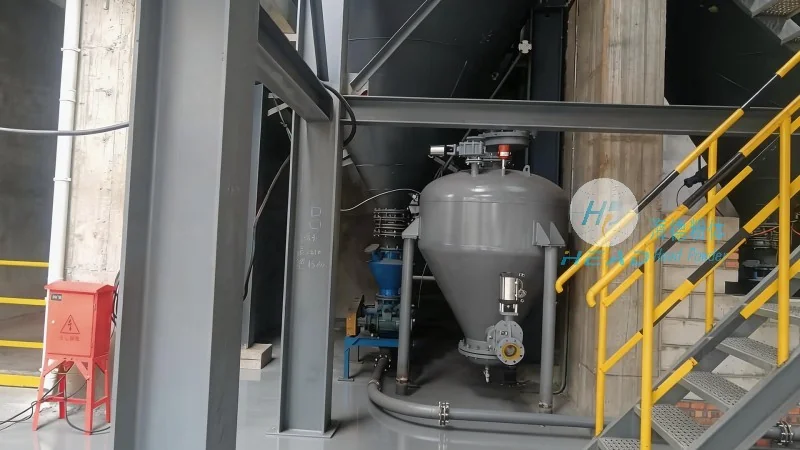
Pneumatic conveying systems use air to transport sesame seeds through a pipeline. This method is highly flexible and can handle both small and large volumes of material. One of the main advantages of pneumatic conveying is its ability to transport materials over long distances and through multiple points without the need for intermediate storage. The system can be designed as a closed loop, reducing dust emissions and improving hygiene, which is essential for food processing environments. Pneumatic conveying also allows for gentle handling of delicate seeds, as the material is suspended in air rather than being subjected to mechanical pressure. However, this method has significant drawbacks. It requires a high-pressure air source, which increases energy consumption and operational costs. The system is also prone to blockages if the material contains moisture or foreign objects, leading to downtime and maintenance issues. Additionally, the initial investment for a pneumatic conveying system is higher compared to other methods, and the maintenance of air compressors and filters can be complex.
3. Belt Conveyor
Belt conveyors use a continuous belt to transport sesame seeds horizontally or at a slight incline. They are widely used in various industries due to their simplicity and high capacity. The main advantage of belt conveyors is their ability to handle large volumes of material with minimal labor. The belt can be made of food-grade materials, ensuring that sesame seeds remain clean and free from contamination. Belt conveyors are also relatively low-maintenance, with simple components like rollers and pulleys. However, they have limitations for delicate seeds. The belt and rollers can cause friction and impact, potentially damaging the seed coat or causing bruising. The system is also less suitable for vertical or steep incline applications, as the belt may slip or require additional tensioning mechanisms. Furthermore, belt conveyors are not as flexible as other methods, as they are typically fixed in one position and cannot easily change direction or route without significant modifications.