

Common Coal and Coke Conveying Methods: A Comparison of Advantages and Disadvantages
For industrial applications, selecting the appropriate coal and coke conveying method is crucial for ensuring efficiency, safety, and cost-effectiveness in material handling operations. Shandong HeadPowder Engineering Co., Ltd., a leading provider in the field, offers insights into the various common methods used for transporting these bulk materials. This article provides a detailed comparison of popular conveying systems, highlighting their advantages and disadvantages to help industries make informed decisions.
Introduction to Coal and Coke Conveying Systems
Coal and coke are essential raw materials in many industries, including steel production, power generation, and chemical manufacturing. The efficient transportation of these materials from storage to processing units is vital for maintaining production schedules and minimizing operational downtime. Conveying systems have evolved significantly over the years, with each method offering unique benefits and limitations. Understanding these differences is key to selecting the most suitable solution for specific operational needs.
1. Belt Conveyor Systems
Belt conveyors are one of the most widely used methods for transporting coal and coke due to their versatility and reliability. These systems consist of a continuous loop of belt that moves material from the loading point to the discharge point. The primary advantage of belt conveyors is their ability to handle large volumes of material over long distances with minimal maintenance. They are also relatively low-cost to install and operate, making them an attractive option for many industries. However, belt conveyors have limitations, such as their susceptibility to damage from heavy or abrasive materials, which can lead to increased downtime and repair costs. Additionally, they require regular tensioning and cleaning to prevent belt slippage and material buildup.
2. Screw Conveyor Systems
Screw conveyors, also known as auger conveyors, use a rotating screw to move material through a trough. This method is particularly effective for handling fine or granular materials like coal and coke. The main advantage of screw conveyors is their compact design, which allows for installation in confined spaces. They are also relatively simple to operate and maintain, with fewer moving parts compared to other systems. However, screw conveyors have lower capacity compared to belt conveyors and are not suitable for transporting large or heavy lumps. They are also prone to material degradation due to friction and can experience blockages if the material is too dense or sticky.
3. Pneumatic Conveying Systems
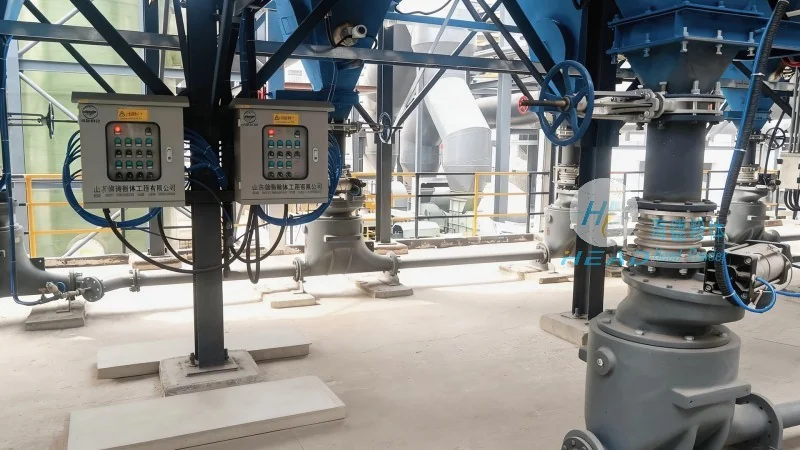
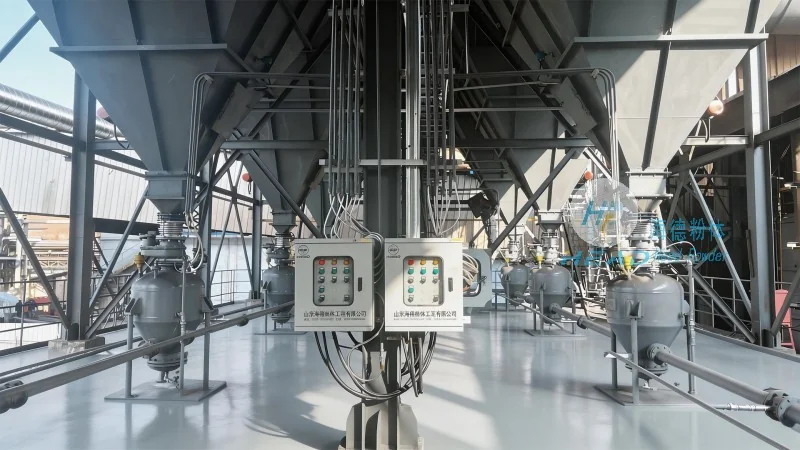
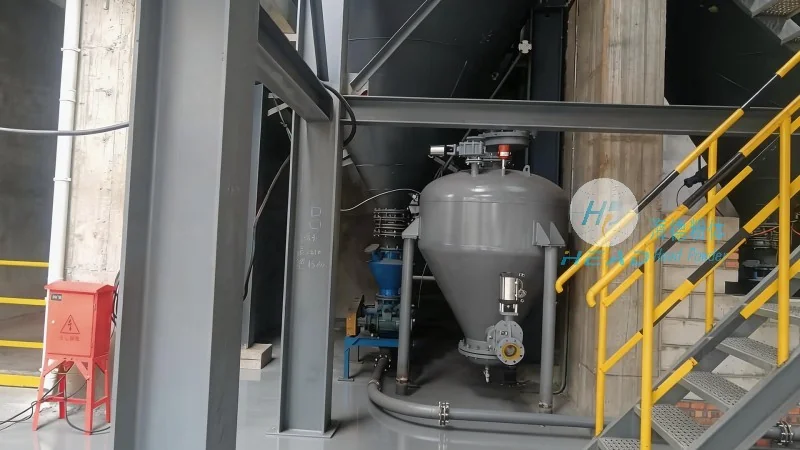
Pneumatic conveying systems use air pressure to transport material through a pipeline. This method is ideal for handling fine or dusty materials and can operate in both positive and negative pressure modes. The primary advantage of pneumatic conveyors is their ability to transport material over long distances without the need for multiple transfer points. They are also relatively clean and can be integrated with dust collection systems to minimize environmental impact. However, pneumatic conveying systems have higher energy consumption compared to other methods and can be more expensive to install. They also require careful design to prevent material degradation and ensure efficient air flow.
4. Bucket Elevator Systems
Bucket elevators use a series of buckets attached to a belt or chain to lift material vertically. This method is commonly used for transporting coal and coke from ground level to elevated storage or processing units. The main advantage of bucket elevators is their high vertical lifting capacity and ability to handle large volumes of material. They are also relatively simple to operate and maintain, with minimal moving parts. However, bucket elevators have limitations in terms of horizontal distance and are not suitable for long-distance horizontal transport. They also require regular inspection of buckets and chains to prevent wear and tear, which can lead to operational issues.

5. Chain Conveyor Systems
Chain conveyors use a series of chains with attached buckets or pans to transport material. This method is suitable for handling heavy or abrasive materials and can operate in both horizontal and inclined positions. The primary advantage of chain conveyors is their ability to handle large lumps and heavy loads, making them ideal for industrial applications. They are also relatively durable and can withstand harsh operating conditions. However, chain conveyors have higher maintenance costs compared to other systems due to the need for regular chain lubrication and replacement. They are also prone to material spillage and require additional containment measures to prevent environmental contamination.
Conclusion and Recommendations
Choosing the right coal and coke conveying method depends on several factors, including the material characteristics, distance to be covered, and operational environment. Shandong HeadPowder Engineering Co., Ltd. offers customized solutions tailored to specific industry needs, ensuring optimal performance and efficiency. By understanding the advantages and disadvantages of each system, industries can make informed decisions that enhance productivity, reduce costs, and improve overall operational safety. Whether it's a belt conveyor for long-distance transport or a pneumatic system for fine materials, the right choice can significantly impact the success of material handling operations.