

Comparison of Common Wood Fiber Conveying Methods
Wood fiber, a critical raw material in industries like papermaking, packaging, and composite manufacturing, demands efficient and reliable conveying systems to transport it from storage to processing units. The choice of conveying method directly impacts operational efficiency, material handling costs, and overall production quality. This article provides a detailed comparison of common wood fiber conveying methods, focusing on their applications, advantages, and limitations, and is presented by Shandong HeadPowder Engineering Co., Ltd., a leading provider of industrial conveying solutions.
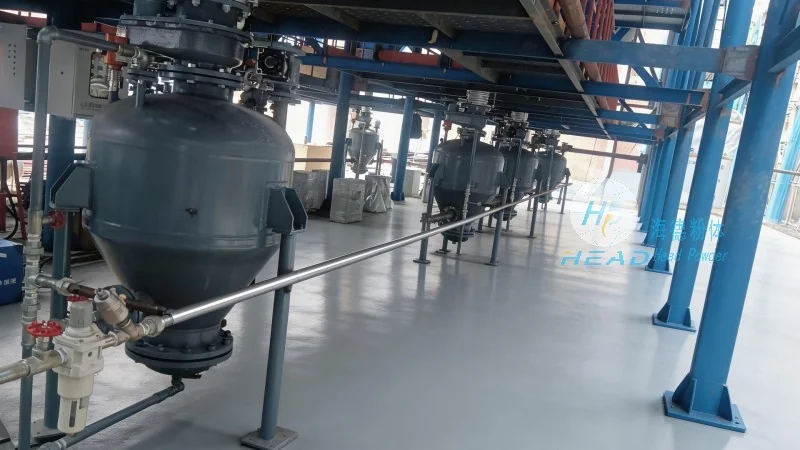
1. Screw Conveyor (Auger Conveyor)
Screw conveyors, also known as auger conveyors, are widely used for wood fiber handling due to their simplicity and effectiveness. These systems consist of a rotating helical screw inside a trough, which moves material forward through the screw's rotation. The screw conveyor is particularly suitable for horizontal or slight incline applications, making it ideal for transporting wood chips, sawdust, and other fine wood fibers. One of the primary advantages of screw conveyors is their ability to handle a wide range of materials without the need for additional components like belts or hoses. They are also relatively low-maintenance and can operate in enclosed environments, reducing dust emissions. However, screw conveyors have limitations when dealing with abrasive or sticky wood fibers, as the screw and trough can experience wear over time. Additionally, they are not suitable for vertical lifting over long distances due to the high torque required.
2. Belt Conveyor
Belt conveyors are another common method for wood fiber transportation, especially in large-scale industrial settings. These systems use a continuous belt looped over pulleys to move material along a fixed path. Belt conveyors are highly efficient for transporting bulk wood fibers over long distances, both horizontally and at a slight incline. They can handle a wide variety of materials, including wet or dry wood chips, and are capable of transporting large volumes at high speeds. A key advantage of belt conveyors is their ability to handle abrasive materials without significant wear, as the belt and pulleys are designed to withstand heavy loads. However, belt conveyors require regular maintenance to ensure the belt remains in good condition, and they may not be suitable for very fine or lightweight wood fibers that could cause the belt to slip. Additionally, they are more complex and expensive to install compared to screw conveyors, and their enclosed design can sometimes lead to dust accumulation if not properly maintained.
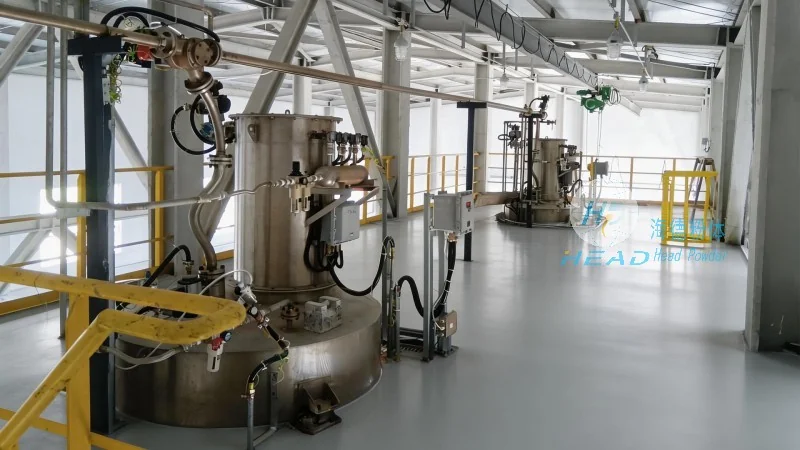
3. Pneumatic Conveying System
Pneumatic conveying systems use air or other gases to transport wood fibers through a pipeline network. These systems are ideal for handling fine or dusty wood fibers, as they can transport material without direct contact, reducing wear and contamination. Pneumatic conveyors are available in two main types: positive pressure and negative pressure. Positive pressure systems blow air into the pipeline, pushing the material forward, while negative pressure systems create a vacuum to draw material into the pipeline. Pneumatic conveying offers high flexibility, as it can transport material over long distances and even vertically, with minimal space requirements. However, these systems require a significant amount of energy to operate, as they need to generate sufficient air pressure or vacuum. Additionally, they are prone to clogging if the wood fibers are too fine or contain excessive moisture, which can lead to system downtime and maintenance costs.
4. Hydraulic Conveying
Hydraulic conveying systems use water or other liquids to transport wood fibers, particularly in applications where the material is mixed with water, such as in pulp processing. These systems are effective for handling wet wood fibers and can transport material over long distances with minimal energy consumption. Hydraulic conveyors are often used in paper mills and other industries where the wood fibers are already in a slurry form. A key advantage of hydraulic conveying is its ability to handle abrasive materials without significant wear, as the pipeline and components are designed to withstand the hydraulic pressure. However, these systems require regular cleaning to prevent clogging and can be more complex to maintain compared to other methods. Additionally, they are not suitable for transporting dry wood fibers, as the material would need to be pre-moistened, which adds an extra step to the process.
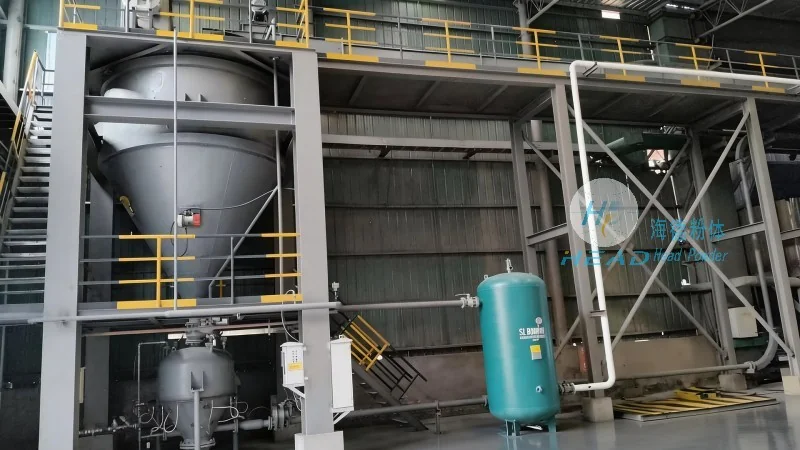
5. Combination Conveying Systems
In many industrial applications, a single conveying method may not be sufficient to meet all the requirements of wood fiber handling. Therefore, combination systems are often used, integrating multiple technologies to achieve optimal performance. For example, a screw conveyor might be used to feed a belt conveyor, which then connects to a pneumatic system for final transport. Combination systems allow for flexibility in handling different types of wood fibers and can be adapted to changing production needs. They are particularly useful in large-scale operations where different stages of processing require different conveying methods. However, combination systems are more complex and expensive to install and maintain, as they involve multiple components and control systems. They also require careful integration to ensure smooth operation and prevent material buildup or clogging.
Conclusion: Choosing the Right Conveying Method
Selecting the appropriate wood fiber conveying method depends on several factors, including the type and size of the wood fibers, the distance and elevation changes required, the production volume, and the environmental considerations. Screw conveyors are a cost-effective option for horizontal transport of bulk materials, while belt conveyors are ideal for long-distance horizontal transport. Pneumatic systems excel in handling fine or dusty materials and can transport material vertically, but they require high energy input. Hydraulic systems are suitable for wet wood fibers and can handle abrasive materials, but they are limited to slurry applications. Combination systems offer flexibility but come with higher costs and complexity. Ultimately, the choice of conveying method should be based on a thorough analysis of the specific requirements of the operation to ensure efficient, reliable, and cost-effective wood fiber handling. Shandong HeadPowder Engineering Co., Ltd. specializes in designing and manufacturing customized conveying solutions tailored to meet the unique needs of wood fiber processing industries.