

What Methods Can Be Used for Fertilizer Granule Conveying?
Shandong HeadPowder Engineering Co., Ltd., a leading enterprise in the field of fertilizer processing and conveying systems, specializes in providing efficient and reliable solutions for the transportation of fertilizer granules. With a strong focus on technological innovation and customer-centric service, the company has established itself as a trusted partner for agricultural and industrial clients worldwide. HeadPowder's expertise lies in designing and manufacturing advanced conveying equipment tailored to the unique demands of fertilizer handling, ensuring optimal performance, durability, and safety in various operational environments.
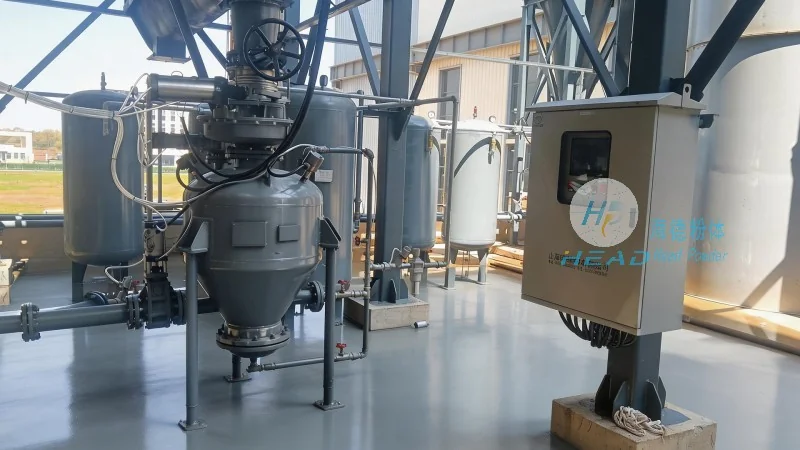
Overview of Fertilizer Granule Conveying Methods
Fertilizer granule conveying is a critical process in the agricultural supply chain, requiring robust and efficient systems to transport bulk materials from storage to processing or application points. Various methods are employed to achieve this, each with distinct advantages and applications. The choice of conveying method depends on factors such as material characteristics, distance, throughput requirements, and operational conditions. Below are some of the most common and effective ways to convey fertilizer granules, highlighting the key features and benefits of each approach.
Screw Conveyors for Fertilizer Granule Transport
Screw conveyors, also known as auger conveyors, are among the most widely used equipment for transporting fertilizer granules. These systems consist of a rotating helical screw inside a trough or tube, which moves material along the length of the conveyor. The screw's design, including pitch and diameter, is tailored to the specific characteristics of the fertilizer granules, such as size, shape, and moisture content. For instance, headpowder's screw conveyors are engineered to handle a wide range of granule sizes, from fine powders to larger pellets, ensuring minimal material degradation and efficient transport. The enclosed design of screw conveyors also helps prevent dust generation and contamination, making them suitable for indoor or enclosed storage facilities. Additionally, these conveyors offer a compact footprint and can be easily integrated into existing processing lines, providing flexibility in system layout. The smooth operation and low maintenance requirements of screw conveyors make them a cost-effective solution for continuous fertilizer granule transport.
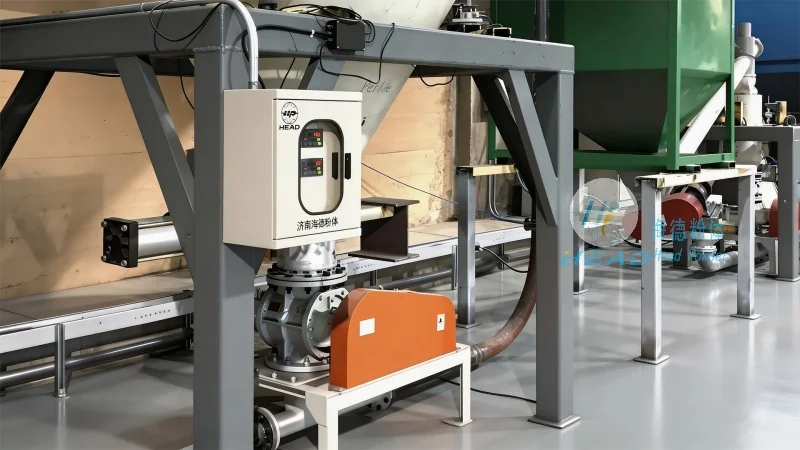
Airborne (Pneumatic) Conveying Systems
Airborne or pneumatic conveying systems utilize air pressure to transport fertilizer granules through a network of pipes. This method is particularly effective for long-distance or high-volume transport, as it can move materials over considerable distances without the need for multiple transfer points. The system typically consists of a blower or fan that generates the air flow, a hopper for material storage, and a series of pipes with appropriate fittings and valves. The conveying medium, often compressed air or a combination of air and gas, propels the granules through the system, ensuring consistent and controlled movement. HeadPowder's pneumatic conveying solutions are designed to handle abrasive and corrosive fertilizer materials, with components made from durable materials like stainless steel or special alloys to withstand wear and corrosion. The enclosed nature of pneumatic systems also reduces dust exposure and environmental impact, aligning with modern safety and environmental standards. Furthermore, these systems can be configured for both positive and negative pressure operation, offering flexibility in material handling. The ability to transport granules at high speeds and over long distances makes pneumatic conveying an ideal choice for large-scale fertilizer operations.
Belt Conveyors for Bulk Fertilizer Handling
Belt conveyors are another common method for conveying fertilizer granules, especially in applications requiring high throughput and long-distance transport. These systems feature a continuous belt that moves material along a fixed path, supported by rollers and pulleys. The belt material is selected based on the properties of the fertilizer granules, with options including rubber, PVC, or specialized materials to prevent slippage and material buildup. HeadPowder's belt conveyor systems are engineered to handle heavy loads and abrasive materials, with reinforced belts and robust drive mechanisms to ensure reliable operation. The open design of belt conveyors allows for easy inspection and maintenance, and they can be equipped with additional features such as side guides, cleats, or load zones to enhance material handling efficiency. Belt conveyors are particularly suitable for outdoor or open storage facilities, as they can be easily installed and integrated into existing infrastructure. The high capacity and low energy consumption of belt conveyors make them a cost-effective solution for continuous fertilizer transport, especially in large-scale agricultural operations.
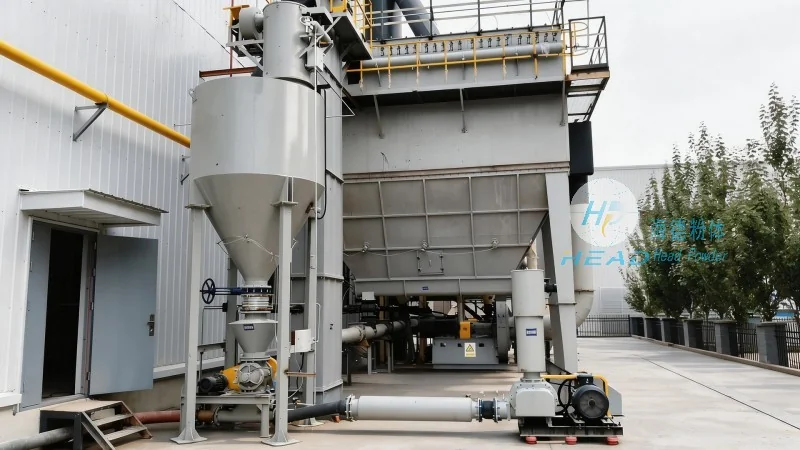
Bucket Elevators for Vertical Transport of Fertilizer Granules
For applications requiring vertical transport of fertilizer granules, bucket elevators are an efficient and reliable choice. These systems consist of a vertical or inclined conveyor with a series of buckets attached to a rotating chain or belt. As the buckets move up the elevator, they scoop up material from a hopper and discharge it at the top, where it falls into a collection bin or processing unit. HeadPowder's bucket elevators are designed to handle a wide range of granule sizes and weights, with adjustable bucket spacing and speed to optimize material flow. The enclosed design of bucket elevators minimizes dust and spillage, making them suitable for indoor or enclosed environments. Additionally, these elevators can be equipped with safety features such as overload protection and emergency stop mechanisms to ensure operational safety. The vertical transport capability of bucket elevators reduces the need for multiple horizontal transfer points, simplifying system layout and improving overall efficiency. Bucket elevators are commonly used in fertilizer processing plants to move granules from storage silos to processing equipment or packaging lines, providing a reliable and efficient solution for vertical material handling.
Hybrid Conveying Systems for Comprehensive Fertilizer Handling
In many industrial settings, a single conveying method may not be sufficient to meet all the requirements of fertilizer granule transport. Hybrid conveying systems, which combine two or more of the above methods, offer a flexible and efficient solution. For example, a system might use a screw conveyor to transport granules from a storage bin to a pneumatic conveying line, or a belt conveyor to move material from a hopper to a bucket elevator. HeadPowder specializes in designing and manufacturing hybrid conveying systems tailored to the specific needs of clients, integrating the best features of each method to achieve optimal performance. These systems are particularly useful in large-scale fertilizer operations where different stages of the process require different transport solutions. By combining the advantages of multiple methods, hybrid systems can improve overall efficiency, reduce downtime, and enhance material handling capabilities. The modular design of hybrid systems also allows for easy expansion or modification as operational needs change, providing long-term value for clients.
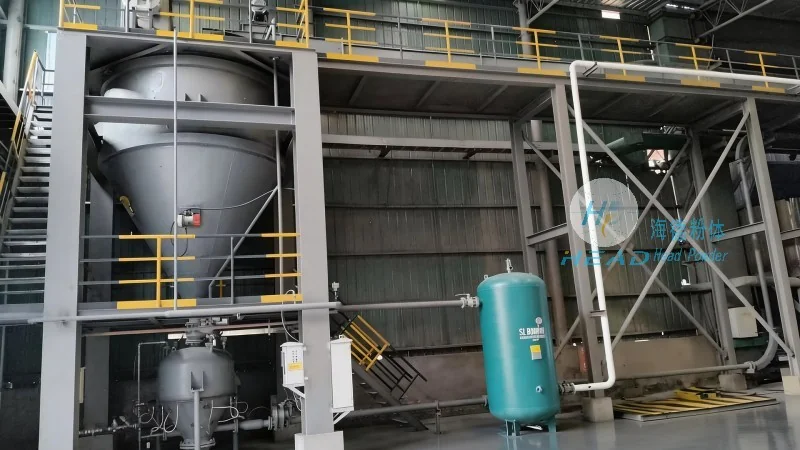
Key Considerations for Selecting Fertilizer Granule Conveying Methods
When selecting a fertilizer granule conveying method, several factors must be considered to ensure the most suitable and efficient solution. The first consideration is the physical properties of the fertilizer granules, including size, shape, moisture content, and abrasiveness. These properties will influence the choice of equipment and system design. For example, fine or powdery granules may require a different approach than larger, more abrasive pellets. The second factor is the distance and throughput requirements, as different methods are better suited for specific distances and material volumes. The third consideration is the operational environment, including whether the system will be used indoors or outdoors, and any safety or environmental regulations that must be adhered to. Additionally, the cost of equipment, maintenance, and energy consumption should be evaluated to ensure the chosen method is economically viable. HeadPowder's expertise in fertilizer handling and conveying systems enables clients to make informed decisions by providing comprehensive assessments and customized solutions that address all these factors. By working closely with clients, HeadPowder ensures that the selected conveying method meets their specific needs and delivers long-term performance and reliability.
Conclusion
Efficient fertilizer granule conveying is essential for the smooth operation of agricultural and industrial processes. Various methods, including screw conveyors, pneumatic systems, belt conveyors, bucket elevators, and hybrid systems, are available to meet the diverse needs of fertilizer handling. Each method has its own advantages and is suitable for different applications, depending on factors such as material properties, distance, and operational conditions. Shandong HeadPowder Engineering Co., Ltd. specializes in providing advanced conveying solutions tailored to the unique requirements of fertilizer granule transport, ensuring optimal performance, durability, and safety. With a focus on innovation and customer satisfaction, HeadPowder continues to deliver high-quality equipment and services that enhance the efficiency and productivity of fertilizer operations worldwide.