

What Are the Methods for Monocrystalline Silicon Conveyance?
Monocrystalline silicon, a cornerstone material in the semiconductor industry, requires efficient and reliable conveyance systems to ensure smooth production processes. The methods used for transporting this high-purity material vary based on factors such as production scale, material properties, and operational environment. Understanding the available options is crucial for optimizing manufacturing workflows and maintaining product quality. This article explores the primary methods for monocrystalline silicon conveyance, providing insights into their applications and benefits.
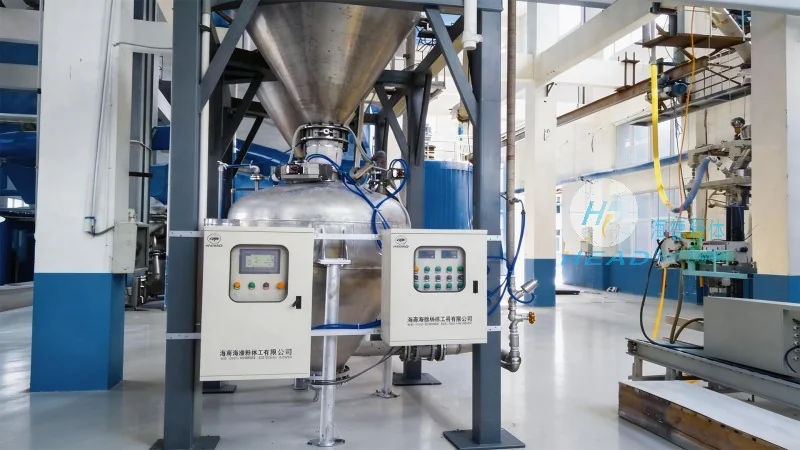
1. Mechanical Conveyance Systems
Mechanical conveyance is one of the most traditional and widely used methods for transporting monocrystalline silicon. These systems typically involve components like conveyor belts, rollers, and hoppers, designed to handle solid silicon wafers or ingots. The mechanical approach offers several advantages, including high load capacity, straightforward operation, and compatibility with various production environments. For instance, conveyor belts can be customized to accommodate different wafer sizes and shapes, ensuring minimal damage during transport. Additionally, mechanical systems are often integrated with automated sorting mechanisms, enhancing efficiency in high-volume production settings. Companies like Shandong HeadPowder Engineering Co., Ltd. may offer tailored mechanical solutions that align with specific client requirements, leveraging years of industry experience to deliver robust and reliable equipment.
2. Vacuum Conveyance for Precision Handling
Vacuum conveyance represents a more advanced approach to monocrystalline silicon transport, particularly suited for delicate or high-value materials. This method utilizes a vacuum pump to create a pressure differential, drawing silicon pieces through a sealed tube system. The primary benefits of vacuum conveyance include reduced material handling stress, improved cleanliness, and enhanced safety in handling fragile wafers. Unlike mechanical systems, vacuum conveyance minimizes physical contact, thereby preventing scratches or contamination that could compromise the silicon's purity. The technology is especially valuable in cleanroom environments where maintaining a sterile environment is critical. Shandong HeadPowder Engineering Co., Ltd. may incorporate vacuum conveyance solutions into their product portfolio, catering to clients in the semiconductor and solar industries who prioritize precision and quality control.
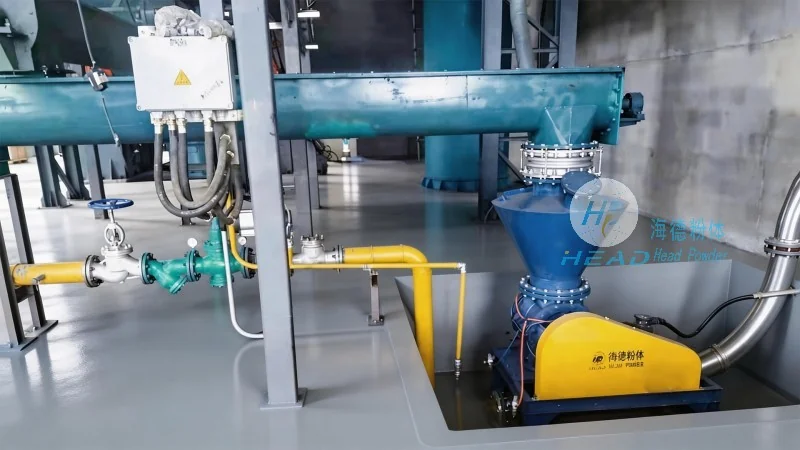
3. Pneumatic Conveyance Systems
Pneumatic conveyance, also known as air-powered transport, is another effective method for monocrystalline silicon conveyance. This approach uses compressed air to move material through a pipeline, similar to how bulk materials are transported in industrial settings. Pneumatic systems are advantageous for long-distance transport and can handle both dry and slightly moist silicon materials. They are particularly useful in applications where mechanical systems might be impractical due to space constraints or the need for non-contact handling. The flexibility of pneumatic conveyance allows for integration with existing production lines, reducing installation costs and downtime. Companies like headpowder, as part of Shandong HeadPowder Engineering Co., Ltd., may provide customized pneumatic solutions that adapt to varying production needs, ensuring seamless integration and optimal performance.
4. Hydraulic Conveyance for Heavy Loads
For applications involving heavy monocrystalline silicon ingots or large batches, hydraulic conveyance systems offer a powerful solution. These systems utilize hydraulic pressure to move materials through a network of pipes and valves, providing high force and precision control. Hydraulic conveyance is ideal for handling large, bulky silicon pieces that require significant force to move without damage. The technology ensures consistent and controlled movement, reducing the risk of material breakage or misalignment. Shandong HeadPowder Engineering Co., Ltd. may develop specialized hydraulic conveyance equipment tailored to the specific weight and dimensions of client materials, leveraging advanced engineering to deliver durable and efficient solutions.
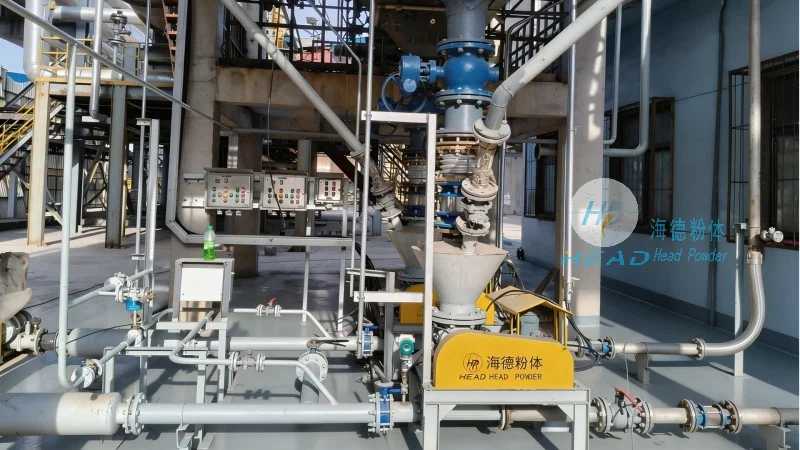
5. Integration of Advanced Technologies in Conveyance
Modern monocrystalline silicon conveyance systems increasingly incorporate advanced technologies to enhance performance and reliability. Automation, for example, plays a crucial role in streamlining transport processes, reducing human error, and improving throughput. Sensors and monitoring systems are integrated to track material flow, detect anomalies, and trigger alerts when issues arise. This level of automation not only increases efficiency but also ensures consistent quality control throughout the conveyance process. Additionally, material handling systems may incorporate features like temperature control and vibration reduction to protect the silicon from environmental factors that could affect its properties. Shandong HeadPowder Engineering Co., Ltd. may offer integrated solutions that combine these advanced technologies, providing clients with comprehensive conveyance systems that meet contemporary industry standards.
Conclusion: Choosing the Right Conveyance Method
Selecting the appropriate monocrystalline silicon conveyance method requires careful consideration of several factors, including production scale, material characteristics, and operational requirements. Mechanical systems remain a reliable choice for many applications, while vacuum and pneumatic conveyance offer advantages in precision and flexibility. Hydraulic systems are suitable for heavy loads, and advanced technologies enhance overall performance. By understanding the strengths and limitations of each method, manufacturers can optimize their production processes and maintain the high quality of monocrystalline silicon. Shandong HeadPowder Engineering Co., Ltd., with its expertise in engineering and material handling, can assist clients in selecting and implementing the most suitable conveyance solutions, ensuring efficient and reliable transport of monocrystalline silicon in various industrial applications.