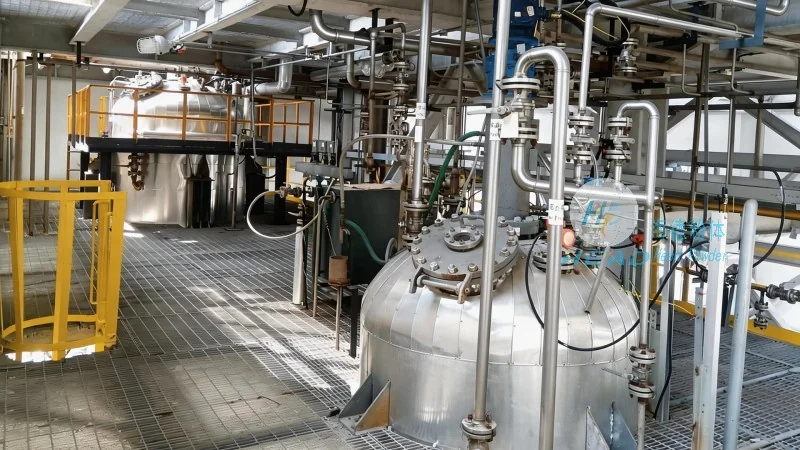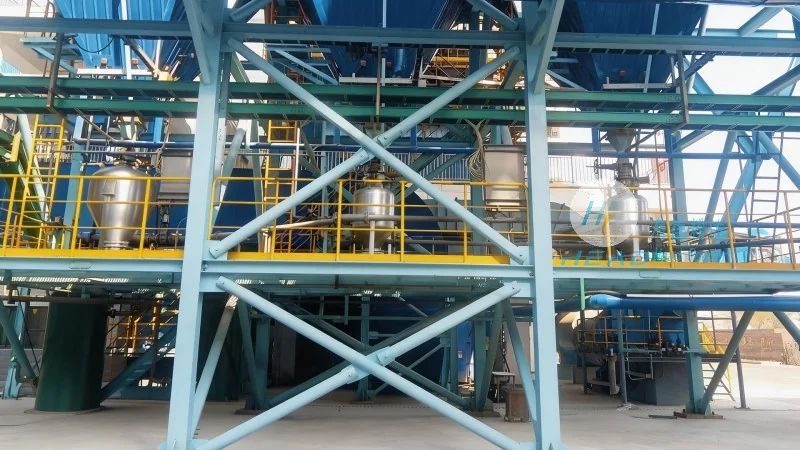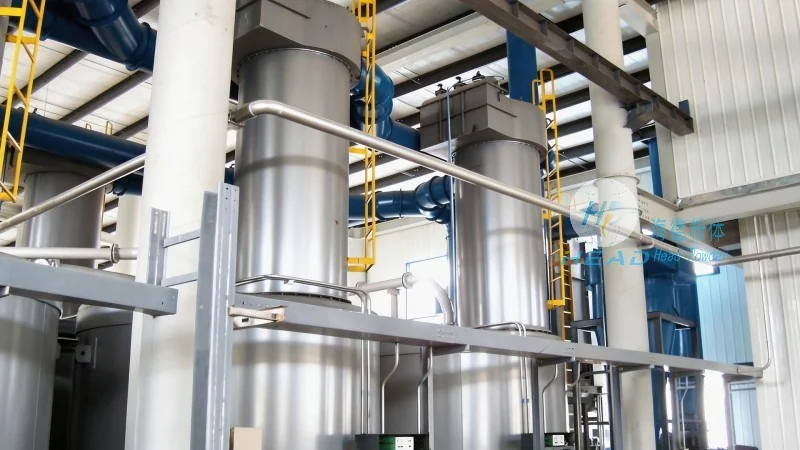

Fishmeal is a high-protein powder derived from processed fish and fish by-products, widely used in aquaculture, livestock feed, and pet food. Its fine, cohesive, and often hygroscopic nature makes it one of the most challenging bulk solids to handle in industrial environments. Traditional mechanical conveyors, such as belt conveyors, screw conveyors, and bucket elevators, have been used for decades. However, they come with inherent limitations: mechanical wear, product degradation, dust emissions, and high maintenance requirements. Over the past decade, the fishmeal processing industry has increasingly turned to pneumatic conveying as a more reliable, hygienic, and efficient alternative.
Pneumatic conveying uses air or an inert gas to transport fishmeal particles through sealed pipelines. The technology eliminates dust leakage, reduces contamination risks, and minimizes product breakage. With global fishmeal production expected to exceed 6.2 million metric tons by 2026, driven by rising aquaculture demand in Asia-Pacific and Latin America, the need for robust and automated conveying solutions has never been greater. Processors are now prioritizing systems that can handle abrasive, sticky, and moisture-sensitive materials without compromising throughput. This article explains the core principles, system configurations, and practical considerations for implementing pneumatic conveying in fishmeal plants, drawing on engineering standards and real-world performance data.
For fishmeal processors evaluating a new line or upgrading existing infrastructure, understanding the interaction between material properties and pneumatic parameters is essential. Bulk density, particle size distribution, moisture content, and flowability directly influence the choice between dilute-phase and dense-phase systems. Headpowder, an experienced supplier in bulk solids handling, has designed and installed dozens of pneumatic conveying lines for fishmeal across different climate zones. This article shares that expertise, covering everything from line pressure drop calculations to filter selection, while ensuring compliance with international standards such as ISO 2505 and FDA guidelines for feed safety. By the end, you will have a clear framework to assess whether pneumatic conveying suits your operation and how to avoid common pitfalls.
Fishmeal is far from a free-flowing powder. Its physical and chemical properties create unique difficulties in any conveying system. First, the particles are usually irregular in shape, with sizes ranging from 100 microns to over 2 millimeters, depending on the grinding process. Fines below 50 microns can become airborne easily, creating dust explosion risks if not properly contained. Second, fishmeal contains residual fish oil, typically between 6% and 12% by weight. This oil makes the powder cohesive and prone to agglomeration, especially at elevated temperatures. When the oil migrates to the particle surface, it can cause buildup on pipe walls, leading to blockages over time.
Third, the material is hygroscopic. In humid environments, fishmeal can absorb moisture from the conveying air, raising its moisture content above the critical threshold of 10% to 12%. This increases stickiness and reduces flowability. Fourth, the abrasive nature of fishbone fragments and scale particles accelerates wear in bends, diverter valves, and cyclone inlets. Without proper material selection for piping and components, maintenance costs can skyrocket. Finally, fishmeal is a combustible dust. The U.S. National Fire Protection Association classifies it as a St-1 or St-2 dust explosion hazard, depending on particle size and moisture. Pneumatic conveying systems must include explosion venting, suppression, or isolation devices to meet regulatory requirements.
These properties mean that a generic pneumatic conveying design is rarely adequate. Each installation must consider the specific fishmeal formulation (e.g., whole fish meal, fish solubles meal, or de-oiled meal) and the expected variability in raw material quality. Processors in tropical regions, for instance, may need air dryers or cooled conveying gas to prevent moisture pickup. Those handling high-oil meals may require special pipe coatings or gentle conveying velocities to avoid oil smearing. Understanding these material challenges is the first step toward a successful system design.
The two primary modes of pneumatic conveying are dilute-phase and dense-phase. In dilute-phase conveying, fishmeal particles are suspended in a high-velocity air stream, typically between 20 and 35 meters per second. This method is simple, inexpensive, and suitable for short distances. However, the high velocity increases particle breakage, pipe wear, and energy consumption. For friable fishmeal, dilute-phase can generate excessive fines, which may reduce the protein digestibility and create dust handling issues downstream.
Dense-phase conveying operates at much lower air velocities, often below 5 to 10 meters per second. Here, the fishmeal is moved in slugs or dunes along the pipe, pushed by pulses of compressed air. The slower speed reduces degradation to less than 1% in most trials, compared to 3% to 5% in dilute-phase systems. Pipe wear is also significantly lower, extending the service life of elbows and straight sections. The trade-off is higher capital cost, more complex controls, and a need for accurate material characterization to ensure consistent slug formation.
For fishmeal applications, dense-phase is generally preferred when product quality is paramount—for example, in high-value organic or specialty fishmeal destined for salmon feeds. Dilute-phase remains viable for lower-value bulk fishmeal where some degradation is acceptable, or for long-distance transport (over 100 meters) where dense-phase may become impractical due to pressure limitations. Headpowder’s engineers often recommend a hybrid approach: using dilute-phase for the initial pickup from storage bins, then transitioning to dense-phase for the main transport line to the packaging area. This balances cost, reliability, and product integrity.
Every pneumatic fishmeal conveying line consists of several essential components, each requiring careful specification. The feed point, typically a rotary airlock or screw feeder, must maintain a steady material flow into the pipeline without air leakage. Airlocks with hardened rotors and tight clearances help prevent fishmeal from wedging and causing jams. The conveying line itself is usually made of stainless steel (304 or 316L) to resist corrosion from fish oil and facilitate cleaning. Carbon steel is sometimes used for dry fishmeal with low oil content, but it is not recommended for long-term durability.
Bends are the most wear-prone sections. Long-radius bends with a ratio of curve radius to pipe diameter (R/D) of at least 6:1 reduce impact velocity and abrasion. For extremely abrasive fishmeal, ceramic-lined bends or blind-tee designs can extend lifespan to several years. Filtration and separation systems include cyclones, bag filters, and sometimes cartridge filters. Cyclones effectively separate coarse particles from the air stream, but fine dust often passes through. A downstream pulse-jet bag filter captures 99.9% of particles, meeting emission standards below 10 mg/Nm³. The conveying air source—roots blowers for dilute-phase or screw compressors for dense-phase—must be sized to overcome the total pressure drop, which typically ranges from 0.3 to 1.5 bar for fishmeal lines up to 200 meters.
Control systems have evolved from simple relay logic to PLC-based touchscreen interfaces. Modern systems incorporate mass flow sensors, pressure transmitters, and moisture probes to adjust airflow in real time. For example, if the material moisture rises above 9%, the system can automatically reduce conveying velocity or switch to nitrogen gas to prevent caking. This level of automation minimizes operator intervention and ensures consistent throughput.
Energy consumption is a major concern for fishmeal processors, where margins can be tight. Pneumatic conveying typically requires 2 to 5 kWh per ton of material per 100 meters of horizontal distance, depending on mode and line design. Dilute-phase systems are more energy-intensive because of the higher velocity and larger air volume. Dense-phase can cut energy use by 30% to 50% because it uses compressed air only during slug movement. However, compressed air generation itself has a low efficiency (around 10% to 15%), so the overall cost may still be significant.
To optimize energy, designers consider conveying distance, elevation changes, and the number of bends. Each 90-degree bend adds an equivalent length of 10 to 20 meters of straight pipe. A well-designed line with minimal bends and smooth transitions can reduce pressure drop by 15% to 20%. Heat recovery from the compressor cooling system can also be channeled into drying processes, offsetting some energy costs. Based on 2025 industry benchmarks, a typical 10-ton-per-hour fishmeal pneumatic line operating 6,000 hours per year will consume around 120,000 to 200,000 kWh annually. With electricity prices averaging USD 0.10 per kWh, this translates to USD 12,000 to 20,000 per year in energy costs—a manageable expense when weighed against reduced labor and maintenance from mechanical conveyors.
Maintenance costs are another critical factor. Pneumatic systems have fewer moving parts than screw conveyors or bucket elevators, but they still require periodic inspection of airlocks, filters, and pipe wear. With proper design, annual maintenance costs can be kept below 3% of the capital investment. Fishmeal plants that switch from mechanical to pneumatic systems often report a 40% reduction in downtime and a 25% decrease in spare parts inventory. These savings, combined with improved product quality, make pneumatic conveying a cost-effective choice over a 10-year lifecycle.
Fishmeal dust is classified as an explosible dust under OSHA and ATEX directives. Any pneumatic system must incorporate safety measures: explosion venting panels on filter housings and cyclones, or explosion suppression systems using chemical suppressants. Grounding and bonding of all conductive components prevent electrostatic discharge. Inert gas (nitrogen or carbon dioxide) can be used as the conveying medium for high-risk zones, though this adds cost. Headpowder recommends that every fishmeal conveying line include a deflagration isolation valve at the feed point and a passive venting area calculated per NFPA 68 standards. These measures protect personnel and equipment without significantly increasing system complexity.
Hygiene is equally important, especially when fishmeal is used in animal feed for export markets. The conveying system must be cleanable, with pipe flanges that allow disassembly, and smooth internal surfaces that prevent material buildup. Stainless steel surfaces with a surface finish of Ra ≤ 0.8 micrometers reduce microbial adhesion. Some processors require a CIP (clean-in-place) system that flushes hot water or steam through the pipeline between batches. Without cleaning, residual fishmeal can become rancid, leading to off-flavors in the final feed products. Inline metal detection and magnets at the conveying line discharge further ensure product purity, eliminating any metal fragments from wear.
Regulatory compliance extends beyond safety. In the European Union, fishmeal intended for animal feed must meet EU Regulation 1069/2009 on animal by-products, which specifies maximum particle size and process temperature history. In the United States, FDA 21 CFR Part 507 mandates a Hazard Analysis and Risk-Based Preventive Controls (HARPC) plan. Pneumatic conveying systems should be designed with traceability in mind: each batch can be diverted to different storage silos via automated valves, and the control system should log temperature, flow rate, and pressure data for audit trails. Meeting these standards is not optional; it is a prerequisite for market access.

To illustrate the practical benefits, consider a mid-sized fishmeal plant processing 80,000 metric tons of raw fish annually. The original operation used bucket elevators and screw conveyors, which resulted in 3% product loss through dust emission and spillage, plus frequent motor failures due to overloading. The plant switched to a dense-phase pneumatic system designed by Headpowder. The new line operates at 15 tons per hour, with a total conveying distance of 180 meters (including 12 bends). After one year, data showed product loss reduced to 0.2%, energy consumption decreased by 35% compared to the old mechanical system, and unplanned downtime dropped from 120 hours per year to fewer than 10 hours. The payback period was approximately 18 months.
Another example involves a fishmeal exporter in Peru that needed to meet stringent European import requirements for dust-free products. They installed a closed-loop pneumatic system using recirculated nitrogen gas to minimize oxidation. The system maintained fishmeal moisture below 8% during transport, even in the humid coastal environment. After two years, the customer reported zero dust complaints from port authorities and a 98% on-time delivery rate. These cases demonstrate that pneumatic conveying is not just a theoretical solution—it delivers measurable improvements in quality, safety, and profitability.
Headpowder has also supported several grassroot fishmeal projects in West Africa, where local infrastructure challenges require robust equipment. In one instance, the team designed a mobile pneumatic unit that could be relocated between seasonal processing sites. The unit used a diesel-powered compressor and a compact filter receiver, achieving a throughput of 5 tons per hour with minimal civil works. This flexibility is increasingly valued in regions with decentralized fishing operations.

Choosing a qualified partner for fishmeal pneumatic conveying is as critical as the technology itself. A reliable supplier should offer material testing in a dedicated pilot plant, using actual fishmeal samples to determine conveying characteristics. They should provide detailed pressure drop calculations, pipe sizing, and component specifications, not generic estimates. Look for suppliers with ISO 9001 certification and experience in the feed or food industry. Ask for references from similar installations, preferably in the same region or climate. A supplier that offers turnkey engineering, installation, commissioning, and after-sales training will save you months of coordination.
Headpowder, with over 15 years of focus on bulk solids handling, brings deep domain knowledge to every project. Their engineering team uses computational fluid dynamics (CFD) software to model fishmeal flow behavior, ensuring that the first installation meets performance guarantees. They also offer remote monitoring capabilities, allowing real-time diagnostics via the cloud. For any fishmeal processor considering a new or upgraded conveying line, a detailed consultation with the headpowder technical team is a prudent first step.
To discuss your specific fishmeal conveying requirements, please reach out to the headpowder team at 156-6277-7102. Our engineers are ready to provide a free preliminary assessment and system proposal.

Pneumatic conveying has moved from a niche technology to a mainstream solution in the fishmeal industry. Its ability to maintain product integrity, reduce dust emissions, and lower operational costs aligns well with the dual pressures of rising global demand and stricter environmental regulations. As sustainability becomes a central theme in aquaculture supply chains, processors that invest in efficient, closed-conveying systems will gain a competitive edge. The technology will continue to evolve—with improvements in energy recovery, smart sensors, and self-cleaning designs—but the fundamentals remain sound.
Whether you are building a new fishmeal plant from the ground up or modernizing an existing facility, the decision to adopt pneumatic conveying should be data-driven. Test your material, evaluate the trade-offs between dilute and dense phase, and partner with a supplier that understands the nuances of fishmeal. The investment today will pay dividends through higher product quality, lower safety risks, and long-term reliability. Headpowder remains committed to advancing this field, offering solutions that are both practical and innovative. Contact headpowder or visit our website to learn more about our case studies and technical articles on fishmeal handling.
Shandong headpowder Engineering Co., Ltd.
156-6277-7102(Manager Zhang)
0531-83386006
Jinan City, Shandong Province, China 
服务热线
微信咨询
回到顶部