

What Are Polysilicon Material Handling Equipment? And What Are Their Design Principles?
Polysilicon material handling equipment is a specialized system integral to the solar energy manufacturing industry. These devices are engineered to efficiently transport and manage polysilicon, a critical raw material used in solar cell production. Understanding the design principles behind such equipment is essential for optimizing production efficiency and ensuring product quality.
Overview of Polysilicon Material Handling Equipment
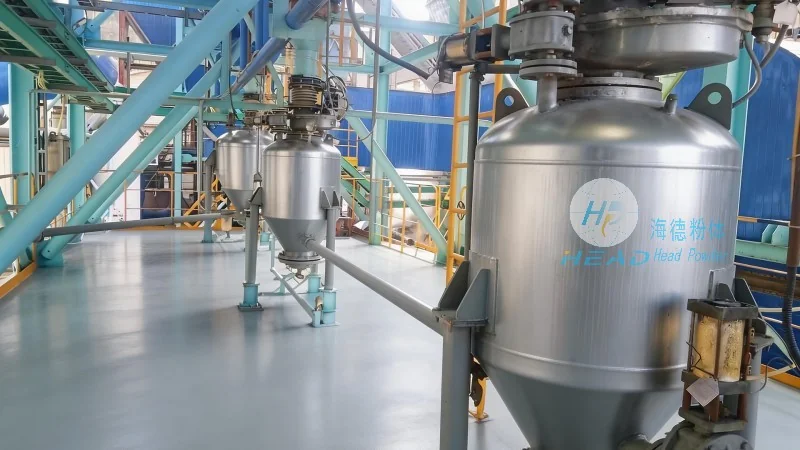
Polysilicon material handling equipment encompasses machinery and systems designed to handle, transport, and store polysilicon. This material, typically in granular or ingot form, requires precise handling to prevent contamination and damage. The equipment is tailored to meet the stringent purity requirements and operational parameters of polysilicon processing.
Key Components and Functions
The core components of polysilicon material handling equipment include conveyors, storage silos, feeding systems, and control mechanisms. Conveyors, such as belt or screw types, are used to move polysilicon between processing stages. Storage silos are engineered to hold large quantities while maintaining purity and preventing moisture or contamination. Feeding systems ensure a consistent, controlled flow of material into subsequent equipment. Control mechanisms, often integrated with sensors and automation, monitor and regulate the entire process for optimal conditions.
Design Principles for Efficient Handling
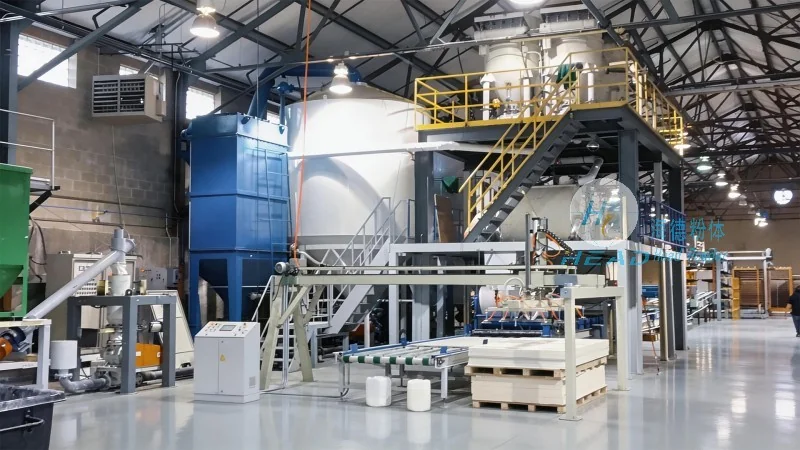
The design of polysilicon material handling equipment follows key principles focused on efficiency, safety, and product integrity. One primary principle is minimizing material contact with external surfaces to prevent contamination. This is achieved through high-purity construction materials like stainless steel or specialized coatings. Another critical principle is integrating automation and advanced control systems. These enable real-time monitoring of temperature, humidity, and material flow, allowing immediate adjustments to maintain optimal processing conditions.
Material Flow and Process Integration
Polysilicon material handling equipment is typically integrated into a larger production line, ensuring seamless material flow from raw storage to final product output. The design considers the entire workflow, from unloading bulk polysilicon into storage silos to feeding it into reactors or other processing equipment. This integration minimizes handling time and reduces material loss or degradation risks. The equipment is also designed for flexibility, accommodating varying material volumes and types to support diverse production schedules and batch sizes.
Quality Control and Maintenance
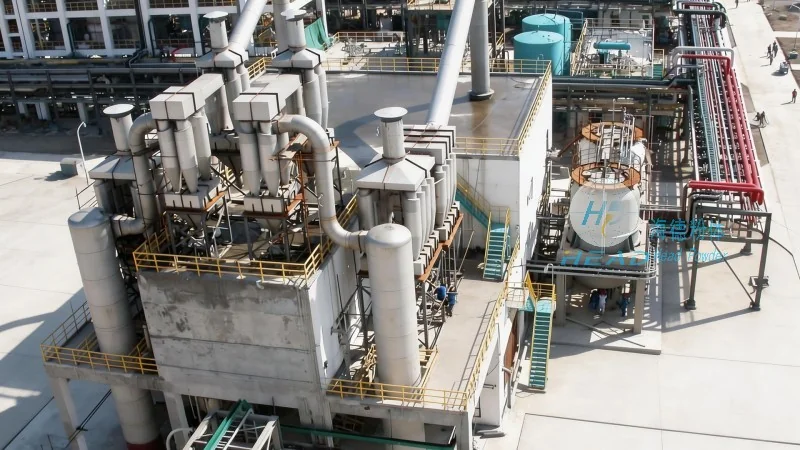
Ensuring polysilicon quality during handling is paramount. The equipment incorporates dust collection systems, sealing mechanisms, and regular maintenance protocols to maintain purity. Regular inspections and cleaning prevent contaminant buildup affecting solar cell performance. The design emphasizes durability, with robust construction and easy-to-access maintenance points to reduce downtime and operational costs.
Conclusion
Polysilicon material handling equipment is a critical component in solar energy manufacturing, designed to efficiently and safely transport this vital raw material. By adhering to principles of purity, automation, and process integration, these systems significantly enhance production efficiency and quality. The expertise of companies like Shandong HeadPowder Engineering Co., Ltd. in designing and manufacturing such equipment highlights the importance of specialized engineering in the renewable energy sector.