

What is Hydrogen Sulfide Material Handling Equipment? What are the Design Principles?
Hydrogen sulfide (H₂S) is a toxic and flammable gas commonly encountered in industrial processes, particularly in the oil and gas, petrochemical, and mining sectors. The safe and efficient handling of materials contaminated with or containing H₂S is a critical concern for industries aiming to protect personnel, equipment, and the environment. This article explores specialized equipment for H₂S material handling and delves into the fundamental design principles that ensure operational safety and effectiveness.
Understanding Hydrogen Sulfide Material Handling Equipment
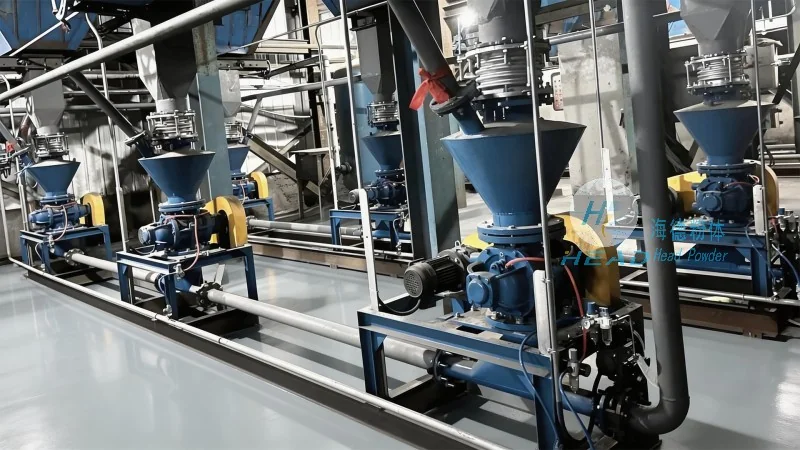
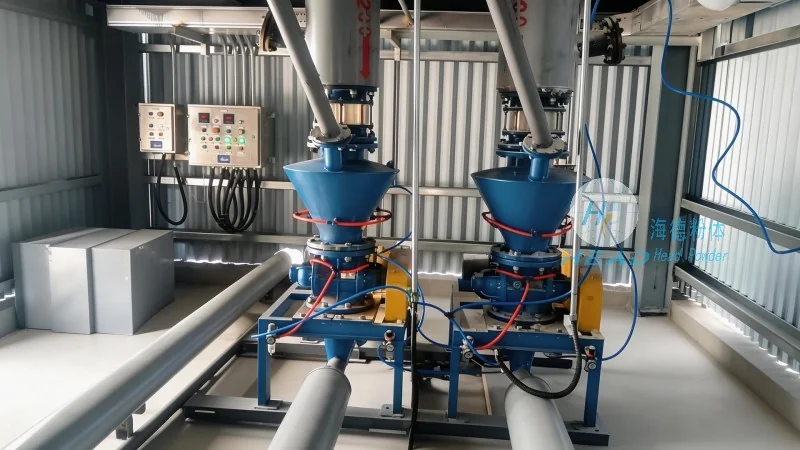
Hydrogen sulfide material handling equipment is engineered to manage the transportation, storage, and processing of materials that may be contaminated with or generate H₂S. These systems are designed to minimize exposure risks, prevent gas leaks, and comply with safety regulations. The equipment typically includes sealed conveyors, specialized pumps, and enclosed storage tanks, all built to withstand the corrosive and hazardous nature of H₂S.
Key Design Principles for H₂S Material Handling
The design of H₂S material handling equipment revolves around several critical principles to ensure safety and reliability. First, containment is paramount; all equipment must be fully sealed to prevent H₂S from escaping into the environment or reaching personnel. This involves the use of double-walled tanks, gas-tight seals, and positive pressure systems that maintain an inert or safe gas atmosphere within the equipment. Second, corrosion resistance is essential, as H₂S is a strong acid that can rapidly degrade metal components. Materials such as stainless steel, Hastelloy, or specialized coatings are commonly used to protect against corrosion and extend equipment lifespan. Third, explosion prevention is a key consideration. Equipment is often designed with explosion-proof motors, flame arrestors, and spark-proof mechanisms to mitigate the risk of ignition in the presence of H₂S and air mixtures. Additionally, proper ventilation and gas detection systems are integrated to monitor H₂S levels and alert operators to potential hazards. Advanced materials and engineering techniques are employed to ensure that the equipment can withstand the harsh conditions associated with H₂S exposure, including temperature fluctuations and chemical reactions.