

[Metal Powder Material Handling Equipment: What They Are and Their Design Principles]
Metal powder material handling equipment plays a crucial role in various industrial processes, especially in sectors that rely on precise and efficient material transport. These specialized systems are designed to handle the unique challenges associated with metal powders, such as their fine particle size, potential for static charge, and varying flow characteristics. Understanding the design principles behind these equipment is essential for optimizing performance, ensuring safety, and maintaining product quality in manufacturing environments.
The Importance of Efficient Metal Powder Handling
In many manufacturing applications, metal powders are used as raw materials for processes like powder metallurgy, 3D printing, and coating technologies. The efficiency of material handling directly impacts production throughput, product consistency, and operational costs. Poor handling can lead to issues such as material loss, contamination, and equipment downtime, all of which can significantly affect a company's bottom line. Therefore, investing in high-quality metal powder material handling equipment is a critical step for any industry that works with these materials.
Core Design Principles of Metal Powder Material Handling Equipment
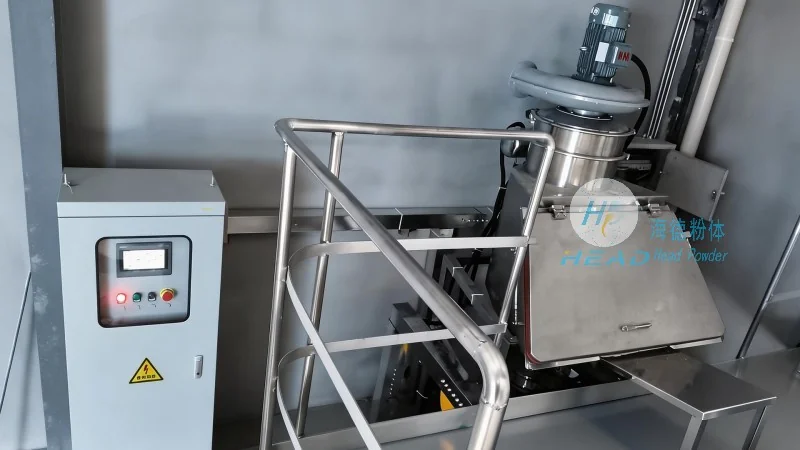
The design of metal powder material handling equipment is guided by several key principles aimed at addressing the inherent properties of metal powders. First, the equipment must ensure proper flow control to prevent issues like bridging, caking, or segregation. This often involves the use of specialized components like agitators, vibrators, and air knives to maintain consistent material movement. Second, the design must consider the potential for static electricity, which can cause powder accumulation and spark hazards. Anti-static features, such as grounding mechanisms and conductive materials, are commonly integrated into the equipment to mitigate these risks. Third, the equipment is engineered for durability and low maintenance, as metal powders can be abrasive and may cause wear on components over time. Materials like stainless steel and corrosion-resistant alloys are frequently used to extend the lifespan of the equipment.
Key Components and Their Functions
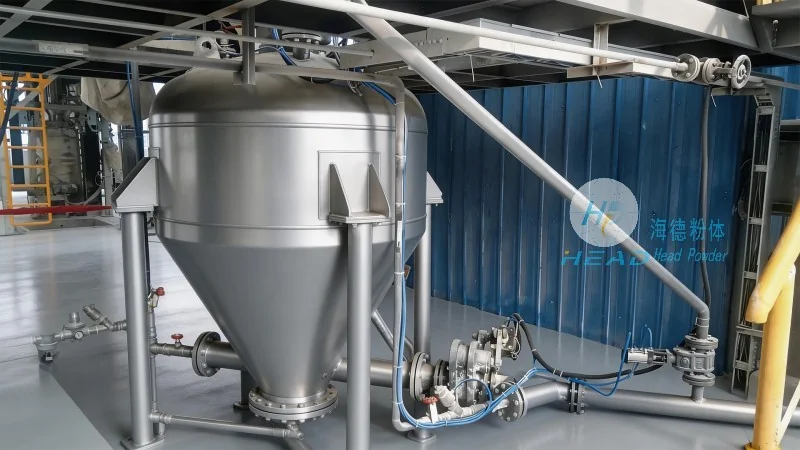
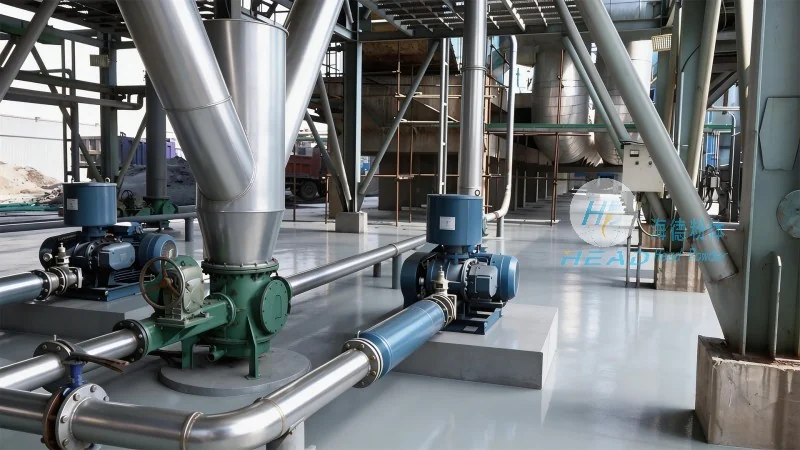
Several key components work together to ensure the effective operation of metal powder material handling equipment. Hoppers and feeders are the primary components responsible for receiving and distributing the metal powder. Hoppers are designed to store the material and maintain a consistent flow, while feeders regulate the rate of material discharge. Screw conveyors and pneumatic conveying systems are also commonly used to transport the powder from one location to another. Screw conveyors use rotating screws to move the material, while pneumatic systems utilize air pressure to carry the powder through pipes. Additionally, classifiers and separators may be included to sort the powder by particle size or density, ensuring that only the desired material is processed.
Application Scenarios and Industry Use Cases
Metal powder material handling equipment is widely used across various industries. In the automotive sector, these systems are employed in the production of metal parts through powder metallurgy, where precise handling of the powder is critical for achieving uniform density and mechanical properties. The aerospace industry also relies on such equipment for manufacturing lightweight components, as metal powders can be processed into complex shapes with high precision. In the electronics industry, metal powders are used for coating and plating processes, and the equipment ensures that the powder is applied evenly to prevent defects in the final product. Furthermore, in the pharmaceutical and food industries, specialized equipment is used to handle metal powders for research and development purposes, where contamination control is paramount.
About Shandong HeadPowder Engineering Co., Ltd.
Shandong HeadPowder Engineering Co., Ltd., operating under the brand name HeadPowder, is a leading manufacturer of metal powder material handling equipment. The company is headquartered in Shandong, China, and has built a reputation for delivering high-quality, reliable solutions tailored to the specific needs of its clients. HeadPowder's team of engineers and technicians brings extensive experience in the field, ensuring that each piece of equipment is designed with precision and functionality in mind. The company focuses on innovation, continuously developing new technologies to improve the efficiency and safety of metal powder handling processes. By prioritizing customer satisfaction and product excellence, HeadPowder has established itself as a trusted partner for industries worldwide.
Conclusion
Metal powder material handling equipment is a vital component in modern industrial operations, and understanding its design principles is essential for optimizing performance and ensuring safety. From flow control to anti-static features, each aspect of the equipment is engineered to address the unique challenges of metal powders. Companies like Shandong HeadPowder Engineering Co., Ltd. play a crucial role in providing advanced solutions that meet the demands of various industries. By investing in high-quality material handling equipment, manufacturers can enhance productivity, reduce costs, and maintain the highest standards of product quality.