

What is Vacuum Loading Material Handling Equipment? What are its Design Principles?
Vacuum loading material handling equipment is a specialized system designed to transport bulk materials, powders, or granules from a source to a destination using vacuum technology. This innovative approach offers significant advantages in material handling, particularly in industries where dust control, contamination prevention, and precise dosing are critical. The core function of such equipment is to create a vacuum that draws material through a pipeline, ensuring efficient and controlled movement. This technology is widely adopted across various sectors, including pharmaceuticals, food processing, chemical manufacturing, and more, due to its ability to handle delicate or sensitive materials without compromising quality.
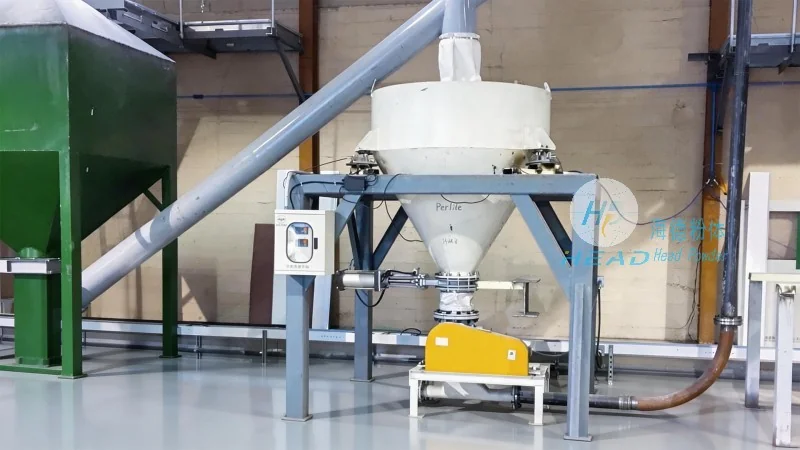
About Shandong HeadPowder Engineering Co., Ltd.
HeadPowder, as the name suggests, is a leading manufacturer and supplier of advanced material handling solutions. Based in Shandong, China, the company specializes in designing, manufacturing, and distributing vacuum loading equipment tailored to meet the diverse needs of industrial applications. With a strong commitment to quality and innovation, HeadPowder has established itself as a trusted partner in the material handling industry, delivering reliable and efficient solutions that enhance operational efficiency and product integrity. The company’s expertise lies in understanding the unique challenges of each industry and providing customized equipment that addresses specific material handling requirements.
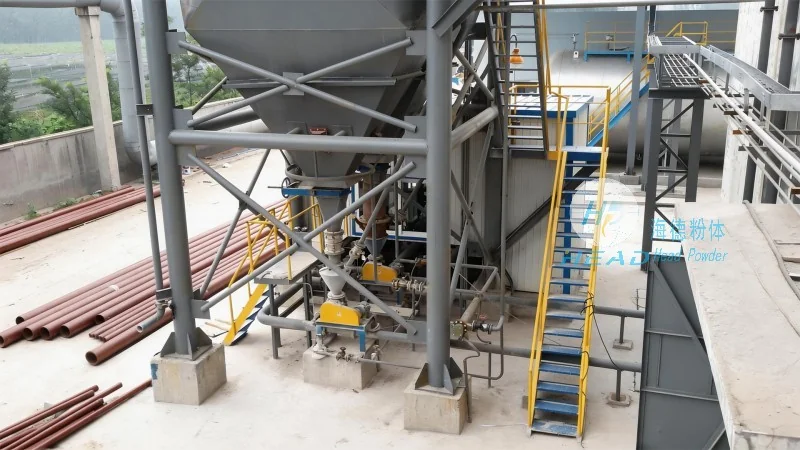
Design Principles of Vacuum Loading Equipment
The design of vacuum loading material handling equipment is based on several fundamental principles that ensure optimal performance and reliability. The primary principle is the creation of a consistent vacuum pressure to draw material through the system. This is achieved through the use of vacuum pumps, which generate the necessary suction force. The system typically includes a hopper or feed hopper where the material is stored, a vacuum pipe or hose that transports the material, and a discharge point where the material is released. The design also incorporates features such as air filtration and separation to prevent dust and contaminants from entering the system or being released into the environment. Additionally, the equipment is engineered to handle different material types, including powders, granules, and even small particles, by adjusting the vacuum pressure and pipe diameter. The design process involves careful consideration of material properties, such as flowability, density, and moisture content, to ensure that the equipment can handle the specific material without clogging or loss of performance.
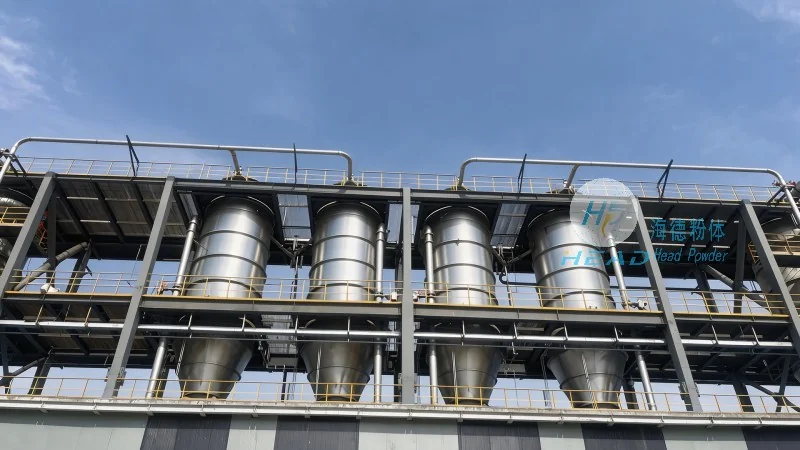
Key Components and Their Functions
Several key components make up a vacuum loading material handling system, each playing a crucial role in the overall operation. The vacuum pump is the heart of the system, responsible for generating the suction force that draws material through the pipeline. There are different types of vacuum pumps, including rotary vane, roots, and liquid ring pumps, each with its own advantages depending on the application. The hopper or feed hopper is where the material is initially stored, and it is designed to maintain a consistent material level to ensure continuous feeding. The vacuum pipe or hose is the conduit that transports the material from the hopper to the discharge point. The pipe diameter and length are critical factors that affect the system's efficiency, as they determine the flow rate and pressure drop. The discharge point is where the material is released, and it may include features such as a valve or regulator to control the flow rate. Air filtration and separation systems are also essential components, as they prevent dust and contaminants from entering the system or being released into the environment, ensuring compliance with environmental regulations and maintaining product quality.
Applications and Benefits
Vacuum loading material handling equipment is used in a wide range of applications across various industries. In the pharmaceutical industry, it is used to transport sensitive powders and granules, ensuring that the materials remain uncontaminated and free from dust. In food processing, the equipment is used to handle ingredients such as flour, sugar, and spices, maintaining hygiene and preventing cross-contamination. In chemical manufacturing, it is used to transport powders and granules, ensuring that the materials are handled safely and efficiently. The benefits of using vacuum loading equipment include improved material handling efficiency, reduced labor costs, and enhanced product quality. The system is also designed to minimize dust and contamination, which is critical in industries where product purity is paramount. Additionally, the equipment is energy-efficient and can be customized to meet specific operational requirements, making it a cost-effective solution for material handling needs.
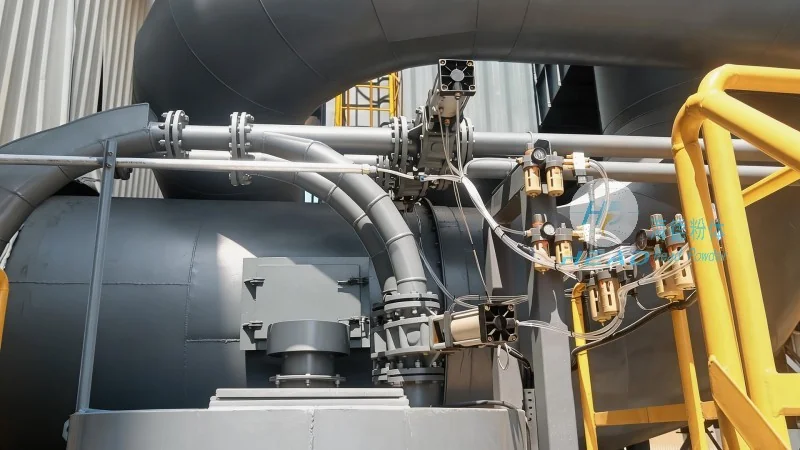
Customization and Integration
HeadPowder understands that each industrial application has unique requirements, and therefore, offers customized vacuum loading equipment solutions. The company works closely with clients to understand their specific needs and design equipment that meets their requirements. The customization process includes selecting the appropriate vacuum pump, hopper design, pipe diameter, and discharge point configuration. The equipment can be integrated with existing systems or designed as a standalone unit, depending on the client's needs. HeadPowder also provides technical support and maintenance services to ensure that the equipment operates at optimal performance levels. The company's commitment to quality and customer satisfaction has made it a preferred choice for businesses seeking reliable and efficient material handling solutions.