

What is a Cement Clinker Material Handling System? What are its Design Principles?
HeadPowder, a leading engineering company based in Shandong, China, specializes in the design and implementation of efficient material handling systems for the cement industry. This article explores the cement clinker material handling system, its core components, operational principles, and key design considerations that ensure optimal performance and reliability in industrial applications.
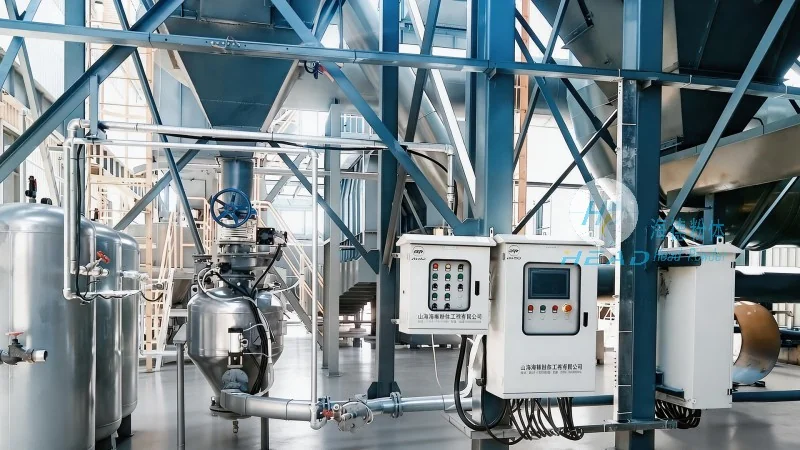
Introduction to Cement Clinker Material Handling Systems
Cement clinker is a crucial intermediate product in the cement manufacturing process, requiring precise and reliable transportation from the clinker cooler to storage silos or downstream processing units. The cement clinker material handling system is engineered to handle the bulk, abrasive nature of clinker while minimizing material loss, energy consumption, and operational downtime. Such systems are integral to maintaining the efficiency of cement production lines and ensuring consistent product quality.
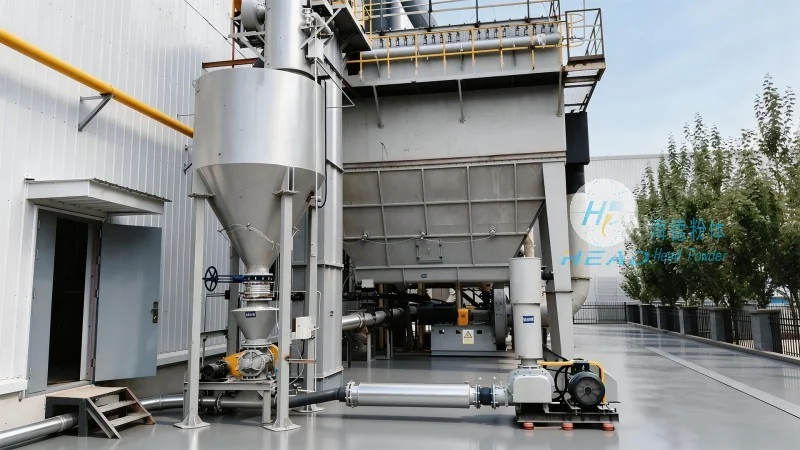
Key Components of a Cement Clinker Material Handling System
The cement clinker material handling system typically comprises several interconnected components, each playing a vital role in the overall operation. These components include:
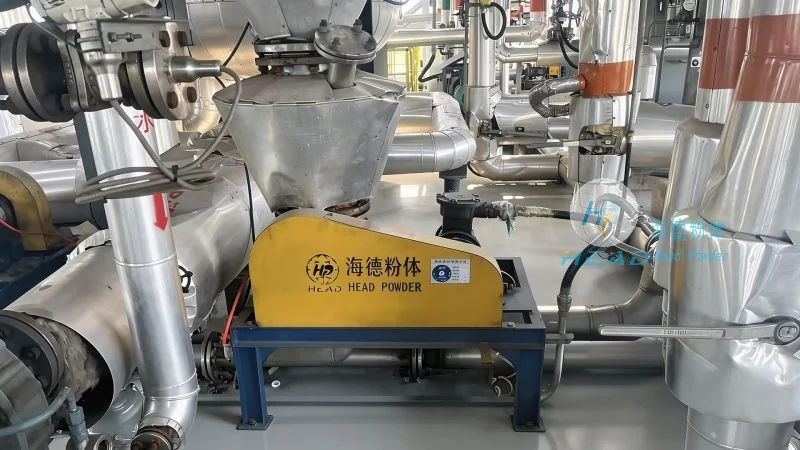
- Clinker Coolers: The initial stage where hot clinker is cooled down to a manageable temperature before transportation. Efficient cooling is essential to prevent material degradation and reduce energy costs.
- Conveyors: The primary means of transporting clinker from the cooler to storage or processing areas. Common types include belt conveyors, bucket elevators, and screw conveyors, each chosen based on the specific operational requirements and material characteristics.
- Storage Silos: Large, vertical structures designed to store clinker in bulk. These silos ensure a steady supply of material for downstream processes and help regulate the flow of clinker to the grinding stage.
- Control Systems: Advanced automation and control systems that monitor and regulate the entire material handling process. These systems optimize conveyor speeds, manage material flow, and provide real-time data for maintenance and operational adjustments.
Design Principles for Cement Clinker Material Handling Systems
The design of a cement clinker material handling system involves several critical principles aimed at maximizing efficiency, durability, and safety. These principles include:
- Material Compatibility: The system components must be constructed from materials that can withstand the abrasive and high-temperature nature of clinker. Materials such as high-strength steel, wear-resistant alloys, and specialized coatings are commonly used to extend the lifespan of equipment.
- Energy Efficiency: Designing systems with energy-efficient motors, variable speed drives, and optimized conveyor layouts reduces operational costs and environmental impact. Energy-saving measures are a key consideration in modern cement plant design.
- Reliability and Durability: The system must be built to withstand continuous, heavy-duty operation with minimal maintenance. Robust construction, proper alignment, and regular maintenance schedules are essential to ensure long-term reliability.
- Process Integration: The material handling system must be seamlessly integrated with the overall cement production process. This includes coordination with clinker cooling, storage, and grinding operations to maintain a smooth flow of materials and minimize bottlenecks.
- Safety and Environmental Compliance: Design considerations also include safety features such as emergency stop mechanisms, dust control systems, and compliance with environmental regulations. Proper ventilation and dust collection systems are critical to maintaining a safe working environment and reducing emissions.
Operational Considerations and Maintenance
Effective operation of a cement clinker material handling system requires careful attention to operational parameters and regular maintenance. Key operational considerations include:
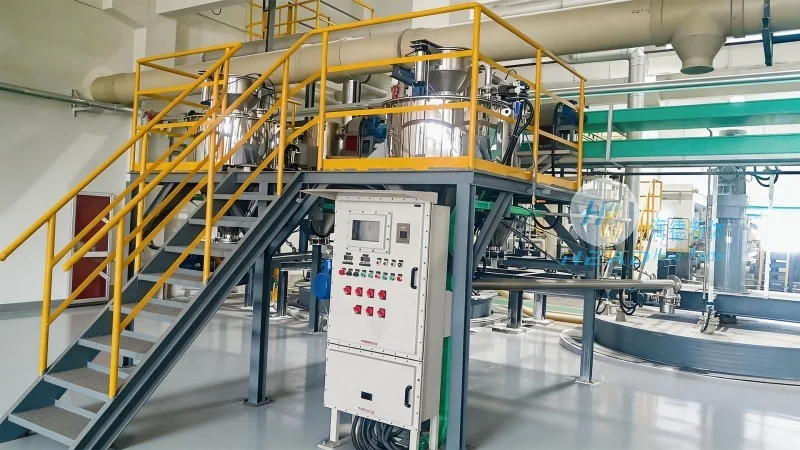
- Load Capacity and Speed: Properly sizing the conveyors and control systems to handle the expected clinker load and flow rates. Overloading or underloading can lead to inefficiencies and equipment damage.
- Dust Control: Implementing effective dust suppression measures, such as enclosed conveyor systems, dust collection units, and regular cleaning schedules, to maintain air quality and prevent material buildup.
- Wear and Tear Management: Regular inspection and replacement of wear parts, such as conveyor belts, buckets, and liners, to prevent breakdowns and extend equipment life.
- Monitoring and Control: Utilizing real-time monitoring systems to track system performance, detect anomalies, and trigger maintenance alerts. This proactive approach helps prevent unexpected failures and ensures continuous operation.
Conclusion
The cement clinker material handling system is a critical component of modern cement production, enabling efficient and reliable transportation of clinker from the cooling stage to storage or processing. By adhering to sound design principles, incorporating robust components, and implementing effective operational and maintenance strategies, such systems contribute significantly to the overall efficiency and profitability of cement manufacturing operations. HeadPowder, with its expertise in engineering and material handling solutions, continues to provide innovative and reliable systems that meet the evolving needs of the cement industry.