

What is a Foam Material Handling System? What Are Its Design Principles?
Foam material handling systems are specialized equipment designed to transport bulk materials using a mixture of air and foam. This technology offers significant advantages over traditional dry bulk handling methods, particularly in terms of reduced dust generation, improved material flow, and enhanced safety. The core of such systems lies in the foam generation and delivery mechanisms that ensure efficient and controlled material movement.
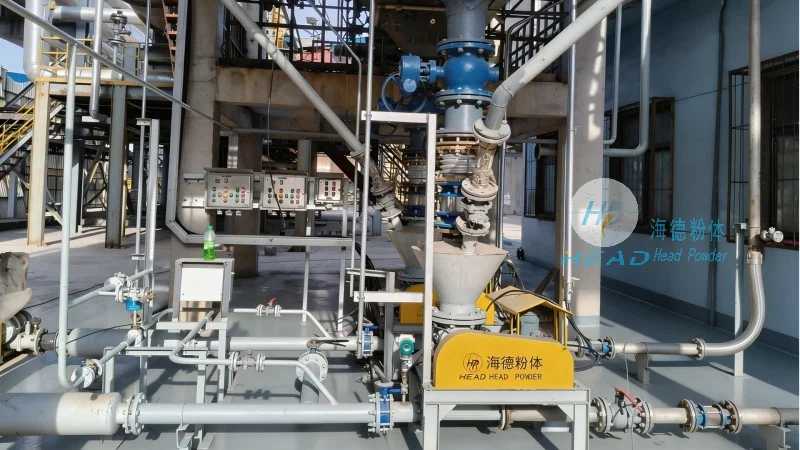
Key Components of a Foam Material Handling System
At the heart of a foam material handling system are several critical components that work in tandem to achieve effective material transport. The primary components include a foam generator, a material feed hopper, a conveying pipeline, and a foam distribution system. The foam generator is responsible for creating the foam mixture by blending air with a liquid foam solution. This mixture is then pumped through the conveying pipeline to the material feed hopper, where it interacts with the bulk material, forming a stable foam slurry. The conveying pipeline is typically made of flexible or semi-rigid materials to accommodate the dynamic nature of the foam slurry. The foam distribution system ensures uniform distribution of the foam throughout the material, preventing segregation and ensuring consistent flow.
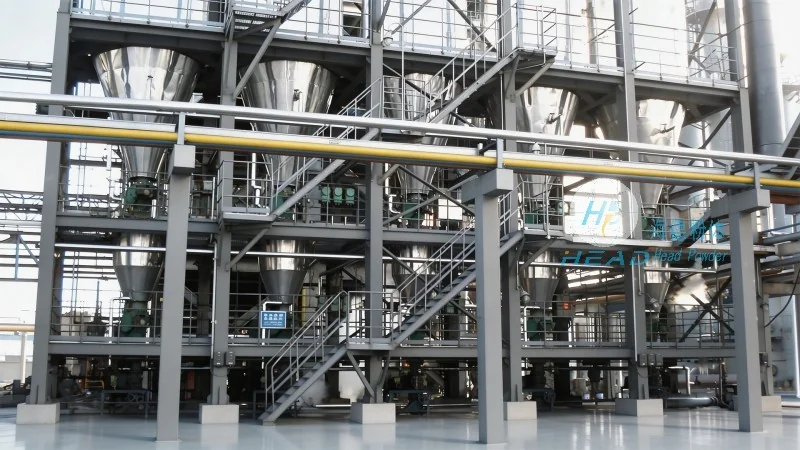
Design Principles for Efficient Foam Material Handling
The design principles of a foam material handling system are centered on optimizing material flow, minimizing energy consumption, and ensuring operational safety. One of the key design considerations is the foam-to-material ratio, which must be carefully balanced to achieve the desired material handling characteristics. A higher foam-to-material ratio results in a more fluid slurry, facilitating easier transport through pipelines, while a lower ratio maintains the material's structural integrity. Another critical design principle is the selection of appropriate foam solution properties, such as viscosity and surface tension, which affect the stability and effectiveness of the foam slurry. The system's design also incorporates features to prevent foam collapse or material caking, ensuring continuous and reliable operation. Additionally, the conveying pipeline's diameter and length are optimized to minimize pressure drop and energy consumption, making the system more efficient and cost-effective.
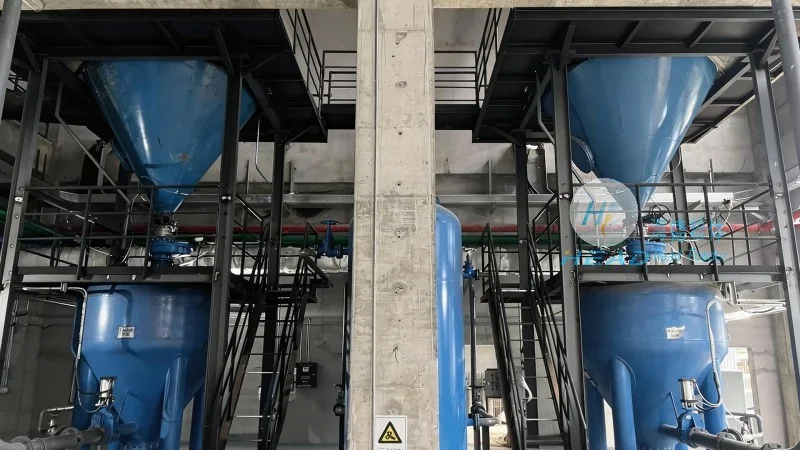
Advantages of Using Foam Material Handling Systems
Foam material handling systems offer several advantages over conventional dry bulk handling methods. One of the most significant benefits is the reduction in dust generation, which improves workplace safety and environmental compliance. The foam slurry encapsulates the material particles, preventing dust from being released into the air. This is particularly beneficial in industries dealing with fine or hazardous powders. Another advantage is the improved material flow, as the foam slurry reduces the friction between particles, allowing for smoother and more consistent transport. This leads to higher throughput and reduced downtime due to material blockages. Furthermore, foam material handling systems are more energy-efficient compared to pneumatic conveying systems, as they use less air pressure and energy to transport the same volume of material. The flexibility of the conveying pipeline also allows for easier installation and integration into existing production lines, reducing the need for extensive modifications.
Applications and Industries Using Foam Material Handling Systems
Foam material handling systems are widely used in various industries that require efficient bulk material transport. These include the chemical industry, the food industry, and the mining industry. In the chemical industry, they handle fine powders and granules such as calcium carbonate and titanium dioxide, where dust control is crucial. The food industry benefits from the hygienic nature of foam slurry, as it prevents contamination and maintains the quality of food products like flour and sugar. The mining industry uses these systems to transport ore from mines to processing facilities, improving safety and efficiency in material handling operations. Other applications include the pharmaceutical industry, for handling active pharmaceutical ingredients (APIs), and the construction industry, for transporting cement and other building materials.
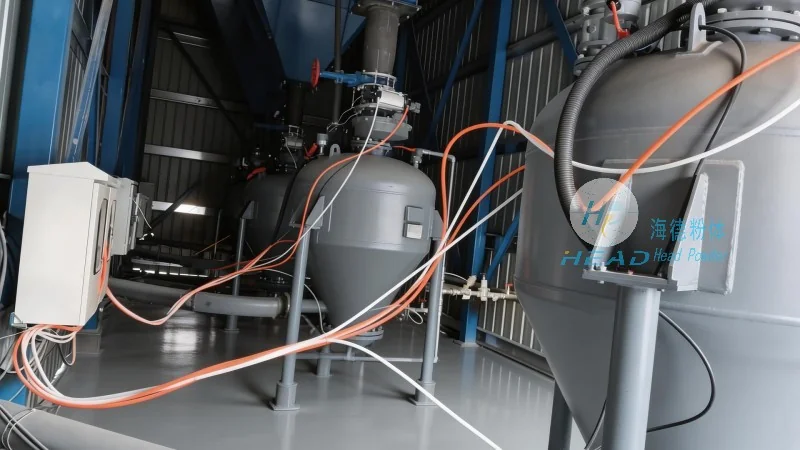
Conclusion and Company Information
Foam material handling systems represent a sophisticated and efficient solution for bulk material transport, offering significant advantages in dust control, material flow, and energy efficiency. The design principles and components of these systems are carefully engineered to meet the specific needs of different industries, ensuring reliable and safe operation. As a leading provider in this field, Shandong HeadPowder Engineering Co., Ltd. specializes in designing and manufacturing high-quality foam material handling systems tailored to the unique requirements of various applications. With its headquarters in Shandong, China, the company leverages advanced technology and expertise to deliver innovative solutions that enhance operational efficiency and safety in material handling processes. Whether for industrial, food, or mining applications, foam material handling systems from Shandong HeadPowder Engineering Co., Ltd. provide reliable and effective solutions for bulk material transport.