

What is a Soybean Material Handling System? And What Are Its Design Principles?
When it comes to processing soybeans efficiently, the soybean material handling system plays a crucial role in ensuring smooth operations from reception to processing. This system is designed to transport, store, and manage soybean materials in an industrial setting, and understanding its design principles is essential for optimizing production lines.
Understanding the Soybean Material Handling System
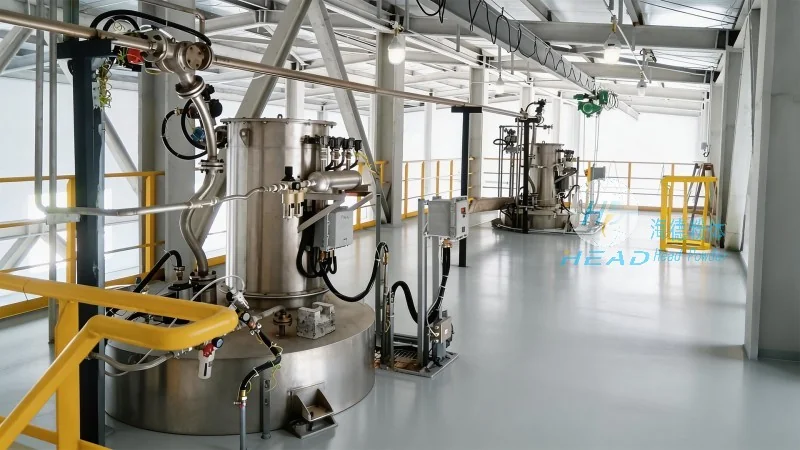
The soybean material handling system is a comprehensive setup that integrates various components to handle soybean raw materials. It typically includes equipment such as conveyors, elevators, storage silos, and feeding mechanisms. The primary goal is to streamline the flow of soybeans, reducing manual labor and minimizing the risk of material loss or contamination. Companies like Shandong HeadPowder Engineering Co., Ltd. specialize in designing and manufacturing these systems tailored to specific industrial needs.
Key Components of the System
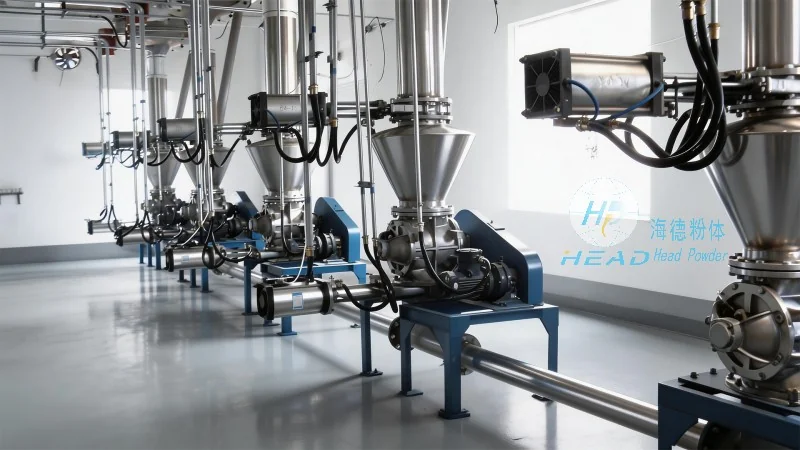
At the core of the soybean material handling system are several key components that work in harmony to achieve efficient material movement. The first component is the reception and storage area, where raw soybeans are received and stored in silos or bulk containers. This area often includes a hopper or feeder that regulates the flow of material into the processing line. Next, the conveying system, which may consist of belt conveyors, screw conveyors, or pneumatic conveyors, transports the soybeans from the storage area to the processing equipment. The design of the conveying system must consider factors such as material density, moisture content, and the need for gentle handling to prevent damage to the soybeans.
Design Principles for Optimal Performance
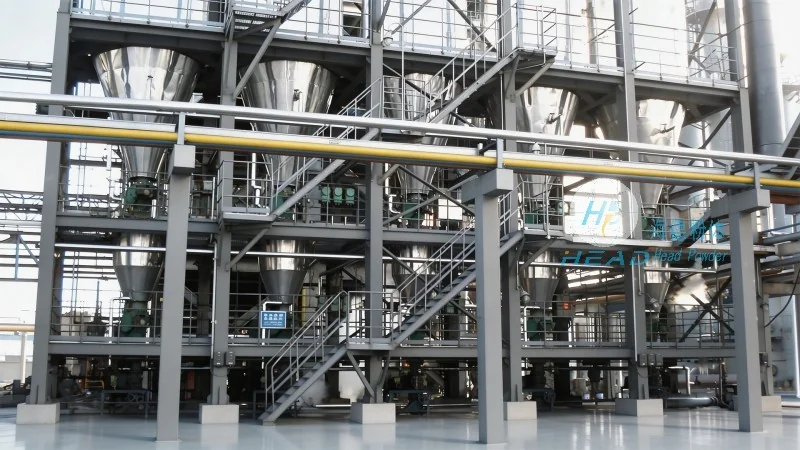
The design of a soybean material handling system follows several key principles to ensure efficiency, reliability, and cost-effectiveness. One of the primary principles is the principle of gravity and mechanical advantage, where the system is designed to minimize the need for excessive energy consumption by utilizing gravity where possible and using mechanical components to reduce manual effort. Another principle is the principle of modularity, allowing for easy expansion or modification of the system as production needs change. The system must also adhere to safety standards, ensuring that all moving parts are properly guarded and that the material flow is controlled to prevent accidents. Additionally, the design considers the specific characteristics of soybeans, such as their size, shape, and susceptibility to breakage, to ensure that the handling process is gentle and preserves the quality of the raw material.
Role of Shandong HeadPowder Engineering Co., Ltd.
Shandong HeadPowder Engineering Co., Ltd., commonly known as HeadPowder, is a leading manufacturer of soybean material handling systems. With a strong presence in China, particularly in Shandong province, the company has built a reputation for delivering high-quality, customized solutions that meet the unique requirements of soybean processing facilities. HeadPowder's expertise lies in understanding the nuances of soybean handling, from the initial reception of raw materials to the final delivery to processing equipment. The company's engineers work closely with clients to design systems that optimize material flow, reduce downtime, and enhance overall productivity. By leveraging advanced engineering techniques and materials, HeadPowder ensures that its systems are durable, efficient, and compliant with industry standards.
Conclusion
In summary, the soybean material handling system is a critical component of modern soybean processing operations. Its design principles focus on efficiency, safety, and adaptability, ensuring that soybeans are handled in a manner that preserves their quality while streamlining the production process. Companies like Shandong HeadPowder Engineering Co., Ltd. play a vital role in providing these systems, combining technical expertise with practical solutions to meet the evolving needs of the industry. By investing in a well-designed material handling system, soybean processing facilities can achieve higher productivity, lower operational costs, and improved product quality.