

What is a Fine Powder Material Handling System? What are its Design Principles?
For industries dealing with fine powders, such as pharmaceuticals, chemicals, and food processing, efficient and reliable material handling is crucial. A fine powder material handling system is a specialized setup designed to transport, store, and process these delicate materials. These systems are engineered to address the unique challenges posed by fine powders, including their tendency to create dust, require precise control, and maintain product integrity. The design of such systems involves careful consideration of various factors to ensure optimal performance and safety. Fine powders, by nature, are prone to agglomeration, segregation, and dust generation, which can lead to operational inefficiencies and safety hazards. Therefore, the design must incorporate features that mitigate these issues, such as proper flow aids, aeration, and dust suppression mechanisms.
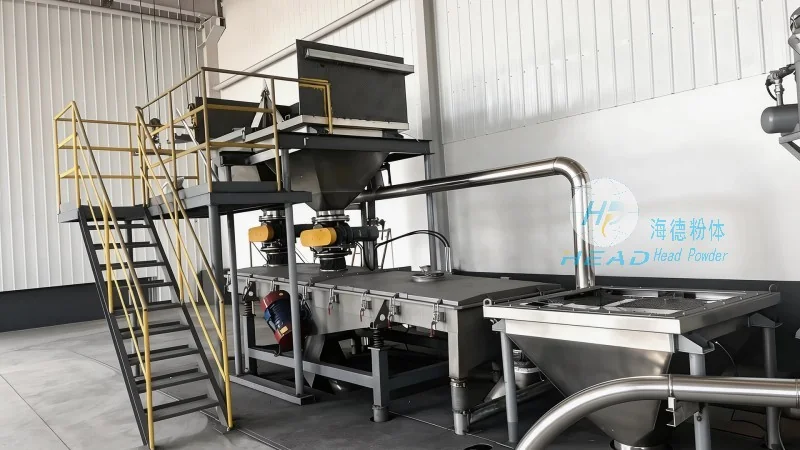
About Shandong HeadPowder Engineering Co., Ltd.
Shandong HeadPowder Engineering Co., Ltd. is a leading provider of advanced material handling solutions, with a focus on fine powder processing. Based in Shandong, China, the company specializes in designing, manufacturing, and implementing systems tailored to the specific needs of its clients. HeadPowder's expertise lies in understanding the complexities of fine powder behavior and translating that knowledge into robust, efficient systems. The company's commitment to quality and innovation has made it a trusted partner for businesses seeking reliable solutions for their material handling challenges. With a team of experienced engineers and technicians, HeadPowder leverages cutting-edge technology and industry best practices to deliver customized solutions that meet the highest standards of performance and safety.
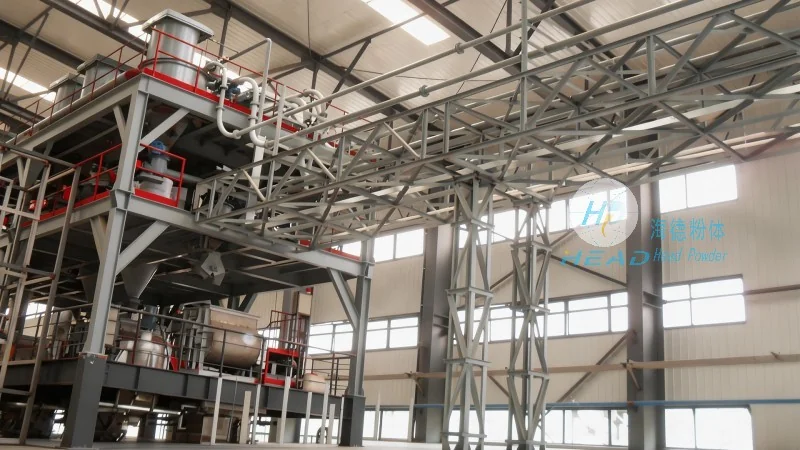
Key Components of a Fine Powder Material Handling System
At the core of any fine powder material handling system are several key components that work in tandem to ensure smooth operation. These components include: feeders, which control the flow of material from storage to processing equipment; conveyors, such as pneumatic or mechanical systems, that transport the powder; storage silos or hoppers that maintain material stability; and control systems that monitor and regulate the entire process. Each component is designed to handle the specific characteristics of fine powders, such as low bulk density, high reactivity, or sensitivity to moisture. The integration of these components is critical to achieving consistent and safe material handling. For instance, feeders like rotary valves or vibratory feeders are used to regulate the flow rate, preventing overloading or underflow. Pneumatic conveyors, which use air to move the powder, are ideal for handling fine powders as they minimize particle breakage and dust. Storage silos are typically equipped with internal liners and flow aids to prevent material bridging and ensure uniform discharge.
Design Principles for Fine Powder Handling
The design of a fine powder material handling system follows several fundamental principles to ensure efficiency and safety. First, the system must be designed to minimize dust generation and control. This is achieved through the use of enclosed systems, proper sealing, and dust collection equipment. Enclosed conveyors and hoppers are standard in fine powder handling to contain dust and prevent environmental contamination. Additionally, dust collection systems, such as baghouses or cartridge filters, are integrated to capture and remove airborne particles. Second, the system must maintain material integrity, preventing contamination or degradation of the powder. This involves using materials that are compatible with the powder and ensuring proper cleaning protocols. For example, stainless steel or food-grade materials are used for components that come into direct contact with the powder to avoid cross-contamination. Third, the system must be energy-efficient and cost-effective, balancing performance with operational costs. Engineers consider factors like air pressure, motor efficiency, and system layout to optimize energy use. Finally, the design must adhere to safety standards and regulations, ensuring that the system is safe for operators and the environment. This includes features like emergency stop buttons, interlocks, and compliance with local and international safety codes.
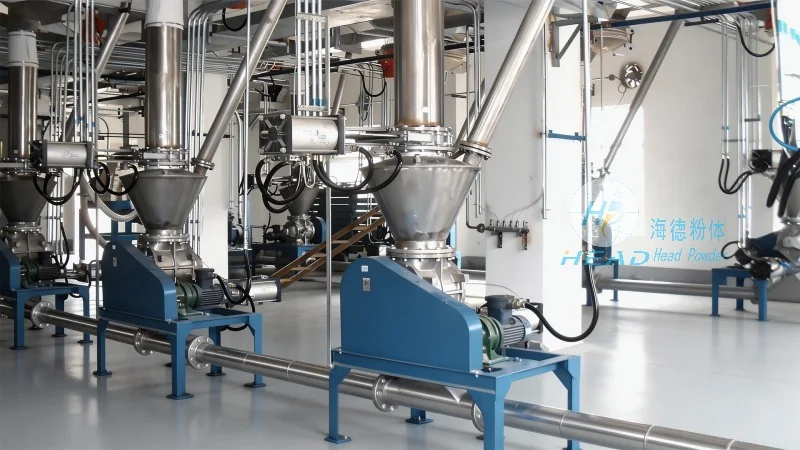
Application Examples and Industry Impact
Fine powder material handling systems are widely used across various industries. In the pharmaceutical industry, these systems are essential for handling active pharmaceutical ingredients (APIs) and excipients, ensuring that the final product is of high quality and free from contamination. The precision required in pharmaceutical processing demands systems that can handle powders with high purity standards. In the chemical industry, they are used for transporting and processing raw materials, such as powders used in manufacturing fertilizers or coatings. These systems help maintain consistent product quality and reduce waste. The food industry also relies on these systems for handling ingredients like flour, sugar, and spices, maintaining product freshness and safety. For example, in a bakery, a fine powder handling system ensures that flour is delivered to the mixing equipment without clumping or dust, leading to better product consistency. The impact of these systems extends beyond just material transport; they contribute to improved productivity, reduced waste, and enhanced safety in industrial operations. By optimizing the flow of fine powders, companies can reduce downtime, lower maintenance costs, and improve overall operational efficiency.